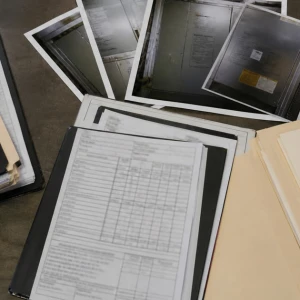


Commercial HVAC billing is easier to review when every invoice connects to a facility, equipment asset, work order, agreement or estimate, authorization, completed scope, and supporting record. ClimateService explains operational billing expectations for Chicago buyers without publishing universal payment terms, offering financing, interpreting contracts, or creating legal advice. Issued documents control the actual commercial relationship.
Identify the facility, asset, and service event
An invoice should make it possible to determine where work occurred, which equipment or project it addressed, when service happened, and which work order or request initiated it. Multi-site property teams need consistent building and asset identifiers. Clear identity prevents charges from being applied to the wrong location and allows service history, maintenance, and accounting records to remain connected.
Match billing to the correct source document
Recurring service may reference an agreement and visit schedule. Repair can reference a work authorization or approved estimate. Projects may reference proposal scope and milestones. Emergency work can begin from dispatch authorization and later documentation. The invoice should align with the applicable path rather than combine unrelated services under one vague description.
Distinguish recurring, event, and project billing
Recurring maintenance billing, per-visit service, diagnostic work, repair events, parts, after-hours response, rental equipment, subcontracted work, and project milestones can follow different structures. Buyers should verify the issued agreement and approvals. Website content cannot set cadence or terms. Its role is to show why each invoice needs an identifiable service basis.
Connect completed work with field evidence
Service records can identify complaint, equipment condition, diagnosis, completed tasks, parts, measurements, photographs, shutdown, restart, limitations, and next actions. The invoice need not reproduce the entire technical report, but references should let a reviewer connect billed scope with field evidence. This is especially important when several visits or assets appear in one billing period.
Track estimates, approvals, and authorized changes
An estimate reflects proposed scope and assumptions. Field conditions may reveal concealed work, changed quantities, unavailable parts, or another owner interface. Additional work should follow the agreed authorization path. Invoice support should identify approved changes and the related equipment or milestone. ClimateService avoids treating an undocumented conversation as a substitute for traceable approval.
Clarify parts, materials, and outside services
Major components, consumables, refrigerant or fluids where applicable, rental lifts, cranes, permits, freight, disposal, and subcontracted electrical, controls, roofing, or specialty work may appear according to issued scope. The invoice or support documents should make their relationship to the work understandable. Pricing questions route to Costs and Pricing rather than being answered with generic markup claims.
Use purchase orders and approval references consistently
Facilities may require purchase orders, not-to-exceed authorization, project codes, department references, tenant allocation, or management approval. Those processes belong to the buyer and issued relationship. Supplying the correct reference before work and noting changes promptly reduces reconciliation delays. ClimateService records technical scope and approved identifiers without deciding internal accounting policy.
Handle multi-site and property-management billing clearly
Portfolio invoices may group or separate buildings, visits, agreements, repairs, and projects. Buyers should know the facility, asset, date, work order, and responsible account attached to each item. Tenant and landlord responsibilities are commercial questions beyond technical service. The field record can establish physical equipment and served areas while management applies leases and allocation rules.
Separate payment timing from project financing
Invoice due dates, milestone timing, deposits where issued, and recurring cadence belong to billing and contract documents. Financing a replacement, comparing a lease or loan, or building a capital request belongs to Commercial HVAC Capital Planning. The terms “payment” and “financing” should not be blended, because one concerns an invoice relationship and the other concerns project funding.
Review questions against the full record
A billing question is easier to resolve with the invoice, agreement, estimate, work authorization, change approval, field report, parts record, milestone, and communication history available. Review the specific item and equipment rather than relying on memory. Technical clarification can explain completed HVAC work; contractual or legal interpretation remains with authorized business reviewers.
Keep billing corrections traceable
If a facility identifier, purchase order, work-order reference, quantity, or approved scope needs correction, the updated record should preserve the reason and related documents. The exact process follows issued terms and accounting procedures. Traceability protects future maintenance and project history from being separated when administrative information changes.
Use billing records to support future facility decisions
When invoices consistently reference assets and service events, facility teams can connect recurring maintenance, repairs, parts, failures, projects, and approved changes over time. That history supports maintenance review, replacement planning, and capital discussions without turning billing data alone into a technical conclusion. ClimateService keeps operational evidence attached while each business owner retains its authority.