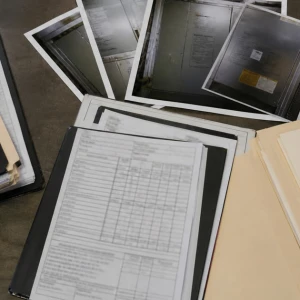


Commercial HVAC service agreements and maintenance contracts organize an ongoing service relationship around defined assets, recurring visits, access, documentation, exclusions, approvals, and review. ClimateService explains the operational questions Chicago facility teams should clarify without offering legal advice or inventing universal terms. Preventive Maintenance Programs owns program value, while issued agreements control actual coverage and billing.
Identify every facility and covered asset
The agreement should connect locations, buildings, equipment, served areas, controls, and relevant accessories with a stable naming method. Multi-site portfolios need enough detail to prevent one asset list from being applied to another property. Additions, removals, replacements, and tenant-owned equipment require a documented review path so recurring service remains aligned with the current facility.
Define visit types and maintenance scope
Recurring visits may differ by season, equipment, operating schedule, and facility need. Inspection, cleaning, filters, belts or drives, coils, drains, electrical checks, controls, safeties, temperatures, pressures, lubrication where applicable, and reporting may be handled differently. The agreement should describe the maintenance framework without implying identical tasks or readings for every equipment family.
Separate included materials from corrective parts
Filters, belts, consumables, specialty materials, refrigerant, chemicals, replacement components, rental equipment, and subcontracted work may have different treatment. Buyers should understand which items are included, allowance-based, or separately authorized. Generic website content cannot define those terms. The issued agreement and approved work order govern the relationship for each item.
Clarify repairs discovered during maintenance
A maintenance visit can reveal failed components, leaks, unsafe conditions, controls faults, access limitations, or project needs outside recurring scope. The process should identify how findings are prioritized, who receives them, who can authorize diagnostic or repair work, when an estimate is required, and how urgent conditions are stabilized. Maintenance documentation becomes the evidence for the next owner.
Plan scheduling and facility access
Operating hours, tenants, production, healthcare or food boundaries, school calendars, security, escorts, roof and mechanical access, keys, weather, shutdowns, notices, and after-hours work affect service. Agreements can establish communication and planning responsibilities, but each visit confirms current conditions. A recurring calendar does not authorize unsafe access or an unverified outage.
Set documentation expectations
Records may include equipment identity, visit date, observed condition, completed tasks, readings, photographs, deficiencies, priority, limitations, parts status, alarms, shutdowns, restart, and recommended next steps. Useful documentation is asset-specific and consistent enough to support history. It should not promise measurements that do not apply to the equipment or operating state available during every visit.
Distinguish response structure from guaranteed outcomes
An agreement may explain contact paths, scheduling priority, business-hour or after-hours process, escalation, and authorization. Those process expectations are not the same as a guaranteed arrival time, repair duration, parts availability, or uninterrupted operation. ClimateService avoids unsupported promises and ties response to issued terms, facility access, safety, diagnosis, materials, and current workload conditions.
Review exclusions and specialist boundaries
Projects, replacements, major repairs, controls programming, balancing, water treatment, roofing, structural work, electrical upgrades, fire systems, hazardous materials, code corrections, and third-party services may remain outside recurring maintenance. The agreement should show how those findings are routed. Clear exclusions protect the maintenance program from being expected to absorb undefined project or specialist scope.
Connect agreement scope with PM program goals
The Preventive Maintenance Programs branch owns equipment strategy, recurring reliability, documentation, and planning value. The agreement turns selected program scope into a commercial relationship. Buyers should first understand the technical program, then verify that the issued asset list, visits, tasks, records, and exclusions support their facility goals. Agreement language should not substitute for a weak maintenance strategy.
Understand review, renewal, and change processes
Equipment changes, acquisitions, renovated spaces, schedule shifts, new controls, repeated failures, changed access, or updated priorities may require scope revision. A review can compare actual assets, visit history, deficiencies, service demand, documentation, contacts, and billing structure. Any renewal or change follows the issued terms and approval process, not an assumption made during a field conversation.
Keep billing tied to identifiable service
Recurring, per-visit, repair-event, and project billing may appear around one relationship. Invoices should reference the facility, asset, visit, work order, agreement, estimate, authorization, or milestone as appropriate. Costs and Pricing owns amounts and drivers; Billing owns process. Clear identifiers help property and facility teams reconcile service without treating the agreement as a vague blanket charge.
Use the agreement as an operating framework
ClimateService helps buyers connect equipment, maintenance needs, access, scheduling, records, findings, authorization, estimates, repairs, invoices, and current documents. The issued agreement controls actual terms. This page prepares operational questions and routes maintenance, repair, projects, coverage, pricing, and billing correctly, avoiding pseudo-legal advice or promises not supported by the signed relationship.