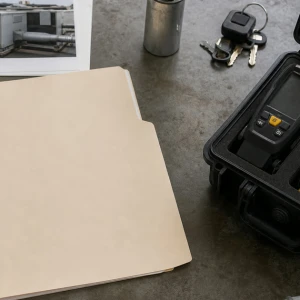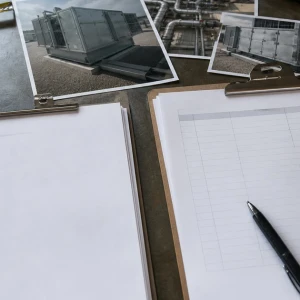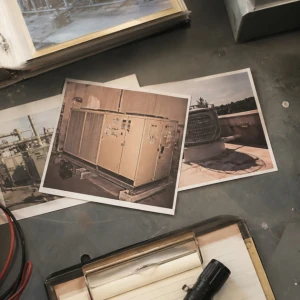


A commercial HVAC condition assessment before replacement or retrofit verifies the existing system and the assumptions that will shape project scope. It can show which assets should be replaced, which components may remain, what interfaces require investigation, and whether a proposed upgrade fits the building. ClimateService develops Chicago HVAC evidence before procurement so project teams do not design around incomplete nameplates, drawings, histories, or sales assumptions.
Define the project decision before assessing condition
The owner may be considering emergency replacement, planned changeout, energy retrofit, controls modernization, tenant improvement, phased capital work, or equipment standardization. Identify affected systems, operating objective, target schedule, planning horizon, decision authority, acceptable disruption, and required confidence. Assessment depth should match the consequence and stage of the proposed project.
Confirm the existing assets and system boundaries
Record equipment identity, location, served areas, capacity data, utilities, controls, distribution, redundancy, access, and supporting assets. Compare field conditions with drawings, databases, submittals, service records, and owner information. Shared ducts, piping, pumps, towers, controls, or electrical capacity can make a local equipment project a wider system decision.
Evaluate what replacement would remove and retain
A replacement may remove a rooftop unit, chiller, boiler, air handler, pump, condensing unit, or controls component while retaining curbs, supports, distribution, utilities, terminals, sensors, or plant assets. Each retained interface needs condition and compatibility review. Like-for-like capacity does not prove dimensions, weight, airflow, voltage, controls, ventilation, or service access will fit.
Evaluate whether retrofit investment has a viable host
Controls, drives, motors, fans, pumps, valves, dampers, coils, economizers, ventilation, heat recovery, and sensors attach to equipment with remaining condition and service risk. Review corrosion, leakage, component history, parts, refrigerant, access, structural condition, and expected ownership horizon. The record should state whether new components may carry into future replacement or become stranded.
Separate equipment condition from system mismatch
Current complaints may involve load, occupancy, schedule, ventilation, zoning, humidity, envelope, controls, distribution, airflow, water flow, or operating practice. New equipment or a retrofit cannot automatically correct conditions outside scope. The assessment identifies design, diagnostics, balancing, or specialist questions that must be resolved before selecting a technical option.
Document service history and failure consequence
Recurring failures, refrigerant events, emergency calls, temporary repairs, parts constraints, controls issues, tenant complaints, and deferred work affect project timing. Consequence includes served operations, occupants, redundancy, season, acceptable outage, temporary options, and response resources. Condition and consequence together help determine whether further investigation can wait or requires immediate control.
Map project interfaces before requesting firm pricing
Design, permits, structure, roof, curbs, rigging, access, demolition, duct or piping transitions, electrical, gas, drainage, controls, fire and life-safety, temporary conditions, testing, balancing, commissioning, and restoration may apply. The assessment should identify likely responsibilities and unknowns so proposals can price comparable, installable outcomes.
Controls transition needs an existing-state baseline
Identify controllers, sensors, actuators, schedules, setpoints, stages, valves, dampers, safeties, alarms, network points, graphics, trends, protocols, overrides, and operator access relevant to the project. Replacement and retrofit choices may require different transition paths. A new local controller does not establish complete BAS compatibility or final sequence performance.
Continuity constraints shape feasible project options
Occupied spaces, critical operations, weather, tenant schedules, shutdown windows, access, security, temporary equipment, controls coexistence, and restoration criteria may favor phasing or a particular season. Temporary heating, cooling, ventilation, pumping, or controls are separate scope with capacity, utilities, monitoring, maintenance, and removal requirements.
Evidence gaps become project-development tasks
Missing loads, concealed connections, inaccessible equipment, unavailable operating modes, undocumented controls, uncertain utilities, roof or structural condition, hazardous materials, and missing service history should be named. Recommended next steps may include diagnostics, design, testing, balancing, controls tracing, specialist review, or seasonal verification. Unknowns should not disappear inside contingency without explanation.
ClimateService turns condition evidence into a project basis
The deliverable can identify existing and retained assets, observed condition, operating context, failure risk, project interfaces, continuity needs, limitations, recommended investigations, and decision triggers. Replacement or retrofit scope can then develop from evidence. At project turnover, actual findings and retained conditions update the baseline for maintenance and future capital decisions.
Project assumptions need an expiration point
Condition, supplier information, tenant use, controls, utility capacity, codes, pricing, and equipment availability can change between assessment and construction. The project basis should state its date and identify evidence that must be reconfirmed before design release, procurement, shutdown, or field execution. A long delay or major service event should trigger review rather than allowing old observations to become permanent facts.
When execution begins, the team should preserve the approved basis and record field changes against it. This creates a clear line from assessed condition through design, scope, installation, testing, and turnover, and gives future facility staff reliable context for why retained components or project boundaries were chosen.