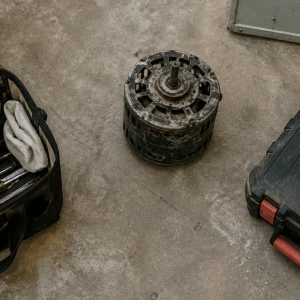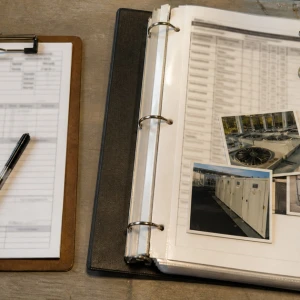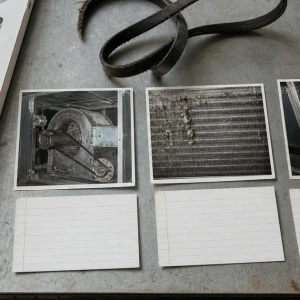


Routine commercial HVAC maintenance and seasonal maintenance overlap, but their primary objectives differ. Routine work supports equipment condition and service continuity across normal operations. Seasonal work prepares selected systems for an approaching cooling season, heating season, startup, shutdown, or changeover. A facility may need both, especially when equipment types and operating schedules do not follow one simple calendar.
Routine maintenance follows asset condition and use
Routine frequency can reflect equipment type, operating hours, environment, load, criticality, access, and history. Tasks may be distributed throughout the year. A kitchen rooftop unit, office air handler, warehouse heater, year-round cooling unit, and ventilation system can have different needs even at the same property.
Seasonal service follows an operating transition
Seasonal work centers on readiness for a defined change. Cooling preparation may address systems before sustained warm-weather demand. Heating preparation may support safe startup before low temperatures. Shutdown and freeze-protection work may apply to equipment that will be taken out of service. Changeover can require coordination between plant, controls, distribution, and occupied areas.
The same task can serve a different purpose
Coil observation, drain review, belt condition, safeties, controls checks, and operating measurements may appear in routine and seasonal scopes. In routine maintenance, they support ongoing asset care. In seasonal work, they support readiness for a specific mode and anticipated load. The written objective prevents duplicate visits and unexplained gaps.
Weather dates alone do not define readiness
Chicago weather can change quickly, but a facility’s transition date may depend on tenant schedules, internal heat, humidity needs, process demand, water-system preparation, staffing, or contractor access. Waiting for the first extreme day can compress repair and approval time. Starting too early can leave operating conditions unavailable for meaningful verification.
Year-round equipment still needs routine care
Server rooms, process areas, kitchens, healthcare support spaces, and other continuously loaded areas may require cooling or ventilation outside a normal season. Those assets should not disappear between spring and fall events. Their maintenance cadence follows duty and consequence, while seasonal work addresses equipment that truly changes mode or exposure.
Findings must route beyond seasonal scope
A startup visit may reveal failed components, leaks, controls faults, poor capacity, or water-side conditions that require repair or diagnostics. Seasonal preparation does not automatically include every correction. The report should state whether the system is ready, ready with limitations, temporarily supported, or not ready pending separately authorized work.
A preventive program can coordinate both paths
A recurring program may schedule seasonal tasks alongside routine work, but the task distribution should remain visible. Assets, cadence, startup dependencies, shutdown requirements, reporting, and approval rules belong in the program. A contract label alone does not prove that seasonal readiness or year-round maintenance is covered.
Facility preparation changes the result
Provide access, operating schedules, target transition dates, controls contacts, shutdown authority, water-treatment coordination, and known deficiencies. Roof access, tenant notification, lifts, security, and replacement filters or owner-furnished materials should be arranged where applicable. Good preparation protects the narrow weather window for useful technical work.
Cooling and heating readiness need different operating evidence
Some cooling checks require suitable outdoor conditions, active load, water flow, or controls permission. Heating verification may depend on fuel availability, safeties, combustion support by qualified scope, pumps, valves, or an occupied-mode sequence. A technician should state what was actually operated and observed. A visual inspection completed in the wrong mode cannot be represented as full readiness verification for the coming season.
Deferred corrections should carry a readiness consequence
A facility may choose to postpone a recommended repair, but the close-out should explain how that choice affects available capacity, redundancy, freeze exposure, drainage, controls, or restart confidence. The decision belongs to the owner; the technical record supplies context. Separating urgent, pre-season, monitor, and capital items helps purchasing act in order without turning the seasonal visit into an open-ended repair authorization.
Choose based on the immediate decision
Choose routine maintenance when the primary need is ongoing upkeep for operating assets. Choose seasonal maintenance when the decision is whether systems are prepared for startup, shutdown, changeover, heating demand, cooling demand, or freezing exposure. If an active malfunction is already present, use repair or diagnostics rather than asking seasonal work to hide it.
ClimateService defines the calendar and the boundary
ClimateService helps Chicago facilities separate recurring asset care from season-driven readiness. The scope identifies systems, timing, applicable tasks, operating conditions, facility responsibilities, and follow-up authorization. That clarity reduces duplicated work and gives building teams a defensible readiness status before the operating transition becomes urgent, with limitations and open corrective needs visible to the responsible decision-maker.