

A commercial HVAC maintenance visit should be understandable before, during, and after the technician is on site. The facility identifies equipment and operating needs; the service scope identifies applicable routine work; the technician documents access, completed tasks, observations, limitations, and next actions. This structure produces a usable business record instead of a generic checklist.
Preparation starts with assets and facility conditions
Provide equipment locations, affected service areas, known access procedures, operating schedules, shutdown restrictions, security contacts, and recent service information. Roof keys, escorts, lift requirements, tenant notices, loading access, and controls permissions can determine whether the planned work is reachable. Facility staff do not need to perform technical troubleshooting before the visit.
The arrival review confirms the working boundary
The technician verifies the requested assets, safe access, current operating state, and conditions that may change the task plan. A unit that is unexpectedly down, locked out by another contractor, serving a critical event, or inaccessible behind tenant operations may require a revised sequence. Material changes should be discussed rather than quietly omitted.
Routine tasks follow equipment applicability
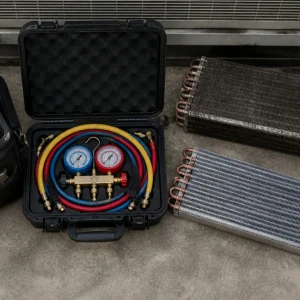
Included work may involve inspection, cleaning, testing, adjustment, and consumables. Filters, belts, coils, drains, electrical terminations, operating temperatures, pressures, safeties, economizer parts, fans, and visible duct conditions may be relevant, but not every task applies to every unit. Equipment type, present mode, load, weather, and access affect what can be responsibly verified.
Operating context gives measurements meaning
A temperature or pressure without operating context can be misleading. Outdoor conditions, occupied load, setpoints, compressor stage, fan status, valves, dampers, and recent cycling may matter. Routine maintenance records observations; it does not automatically become a full performance investigation when the available conditions cannot reproduce a reported problem.
Findings are separated from completed work
A worn part, leak, damaged insulation, unstable sensor, obstructed coil, drain issue, or abnormal sound should be documented with enough evidence for a facility decision. The report should not imply the problem was corrected unless corrective work was completed and authorized. Severity, operating consequence, temporary status, and recommended next action help purchasing prioritize follow-up.
Some conditions route to diagnostics
If the building reports intermittent, weak, or uneven performance without a confirmed cause, maintenance may not resolve it. Diagnostic work can require trend review, controls coordination, repeated measurements, or testing under representative load. That scope should be explicit so the technician has enough time and the facility understands the investigation objective.
Repair requires authorization and parts planning
Minor corrective work may be possible when it is safe, within scope, and approved. Other findings require a quote, ordered parts, specialized access, manufacturer support, or a return visit. The close-out should explain what remains and whether the equipment can continue operating, is temporarily stabilized, or should remain unavailable pending a decision.
The facility close-out should answer practical questions
Which assets were serviced? What work was completed? What could not be accessed or tested? What was found? Which item is urgent, recommended, or monitor-only? What separate action is needed? Clear answers allow a building manager, owner, tenant representative, or purchasing team to act without interpreting shorthand.
One visit can inform a recurring plan
A representative maintenance visit reveals asset differences, realistic task time, access limits, recurring conditions, and reporting preferences. Facilities considering a preventive program can use this evidence to define cadence and responsibilities. The first visit remains a bounded service; future coverage begins only after the recurring scope is accepted.
Site safety and other trades can limit the day’s work
Water treatment, fire alarm interfaces, building automation, electrical isolation, roofing protection, confined access, kitchen operations, and tenant security may involve facility personnel or another contractor. The maintenance scope should identify these dependencies before the visit when possible. If a safe prerequisite is missing, the technician should document the limitation and protect the equipment rather than bypassing a control or accepting an unsafe work condition.
Photographs should support evidence, not replace explanation
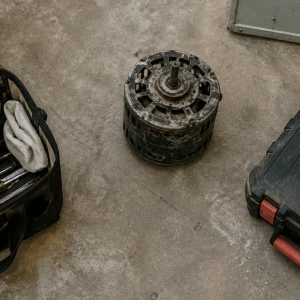
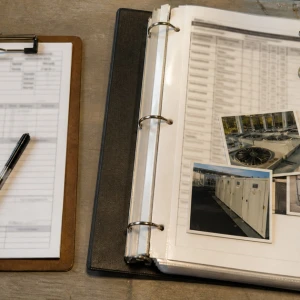
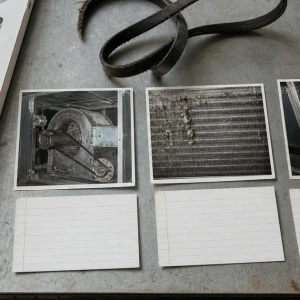
Equipment photos can confirm location, access, wear, debris, leakage, damage, or the state of a removed component. They become useful when paired with the asset identity, observation, consequence, and recommended action. A folder of unlabeled images forces the facility to reconstruct the story later. Close-out language should remain understandable to both technical staff and the person who approves follow-up work.
ClimateService delivers maintenance with a decision-ready finish
ClimateService aligns the visit with commercial equipment, site access, and facility priorities around Chicago. Routine work remains maintenance-first, while repair, diagnostics, seasonal readiness, and recurring program needs are identified separately. The objective is not a long generic checklist. It is completed applicable work and a close-out that supports the next facility decision.