

Preparing for a commercial HVAC quote request helps the estimator define the right visit, identify missing evidence, and build scope around real facility conditions. ClimateService does not require a perfect data package before contact, but equipment, operating history, access, goals, schedules, and approval context reduce preventable gaps. Diagnosis, pricing research, financing, and vendor comparison remain separate when they become the primary need.
State the decision the quote must support
Explain whether the request concerns a confirmed repair, recurring maintenance, new equipment, replacement, retrofit, controls work, airflow correction, or an unresolved symptom. Describe the desired operational result and why the work is being considered now. A clear decision avoids asking for a fixed installation estimate when diagnosis or planning is still required and helps route the correct technical owner.
Build a reliable equipment inventory
Collect equipment type, location, served area, manufacturer and model information where available, approximate capacity, controls, accessories, fuel or utilities, installation history, and linked systems. Photographs of equipment and nameplates can help when safe and permitted. Unknown details should remain unknown rather than guessed; the estimator can confirm them during site review.
Organize service history and current symptoms
Recent work orders, fault codes, repeated alarms, component replacements, maintenance records, trend data, leaks, noise, temperature or airflow complaints, and temporary measures show how the need developed. Record the timing, operating state, weather, occupancy, and affected zones. This information distinguishes a project request from a still-active diagnostic question and prevents the estimate from relying on a reset-only history.
Define project goals and acceptable options
Goals may include restoring operation, replacing known equipment, improving reliability, correcting distribution, integrating controls, adding capacity for a changed space, phasing work, or preparing a capital request. Identify mandatory outcomes and optional improvements. If management wants alternates, state the decision each should answer. Broad requests for every possible option create proposal volume without increasing clarity.
Provide drawings and control information when available
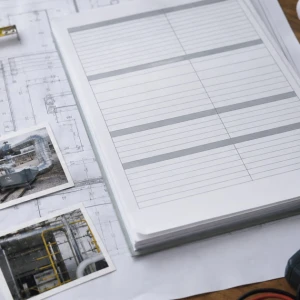
Mechanical drawings, equipment schedules, roof plans, one-line diagrams, controls screenshots, point lists, sequences, prior proposals, commissioning records, and balancing reports can improve review. Old documents may not match field conditions, so they are references rather than unquestioned truth. The estimator compares records with visible equipment and identifies discrepancies that affect scope.
Describe access and site logistics
Share security requirements, facility contacts, roof or mechanical-room access, keys, escorts, ceiling restrictions, elevators, loading, parking, lifting routes, occupied areas, production, food or healthcare boundaries, working hours, and weather limitations. Identify who can authorize entry and disruptive testing. Early logistics information helps determine whether the first visit can produce a complete estimate.
Identify shutdown and continuity limits
List critical zones, redundancy, acceptable outage windows, tenant or production notices, temporary conditions, seasonal constraints, after-hours needs, and restart approval. Do not promise isolation that has not been verified. If equipment serves several areas or shared systems, flag that uncertainty. The estimator can then include investigation, phasing, or coordination rather than assuming unrestricted shutdown.
Clarify utility and trade interfaces
Known electrical capacity, gas, hydronic connections, condenser water, refrigerant lines, drainage, ductwork, controls, structural conditions, roofing, fire systems, permits, and facility-provided work can influence scope. The quote request need not solve each interface. It should reveal known dependencies and the contacts or records available so responsibilities can be assigned during estimate development.
Explain schedule and procurement context
Share target timing, lease events, planned shutdowns, seasonal risk, renovation milestones, internal budget cycles, procurement steps, vendor requirements, and approval meetings. These dates guide phasing and information priorities but do not create guaranteed equipment availability or completion. ClimateService identifies dependencies and distinguishes estimate preparation from procurement and field execution.
Prepare the right people for the site visit
The facility representative should understand the complaint, equipment access, operating priorities, and approval path or know who does. Controls, maintenance, security, tenant, production, or project contacts may be needed for specific questions. Coordinating the necessary people reduces return visits caused by locked rooms, unknown schedules, or an unavailable system owner.
Mark uncertainties and conflicting requirements openly
Missing drawings, uncertain capacity, inaccessible equipment, inconsistent records, concealed conditions, changing project goals, or conflicting stakeholder priorities should be identified. An estimate can include investigation, allowances, alternates, or prerequisites where appropriate. Hiding uncertainty produces false precision. Clear gaps allow the buyer and estimator to choose the next evidence-gathering step deliberately.
Finish with a concise request package
A useful package includes the decision, facility and equipment identity, symptoms or project basis, goals, records, drawings, access, shutdown limits, interfaces, timing, contacts, approval needs, and known uncertainties. ClimateService uses that context to plan site review and scope. The estimate then states its own assumptions and exclusions, so preparation improves accuracy without shifting technical responsibility to the buyer.