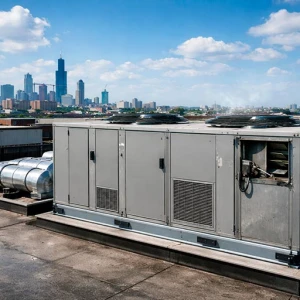


A commercial HVAC repair visit should answer five practical questions: what condition was reported, which system is responsible, what work is supported by the findings, what can be completed under the approved scope, and how the result will be checked. The visit is not a universal checklist. Equipment, building use, access, symptom timing, and operational impact determine the path.
Before arrival: define the complaint and the building context
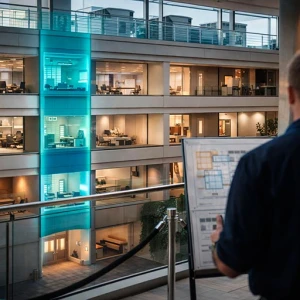
Useful intake begins with the affected footprint and the operating consequence. A facility should identify which areas are involved, when the condition started, whether it is stable or worsening, what equipment serves the space if known, and whether recent maintenance, controls changes, construction, or tenant activity preceded the complaint.
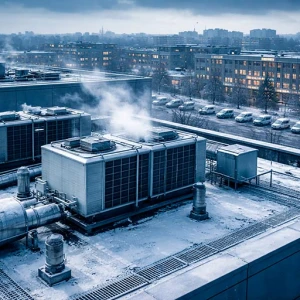
Access information matters. Roof entry, mechanical-room keys, escorts, work-hour restrictions, loading access, shutdown approval, and a reachable decision-maker can determine whether field time is used for diagnosis or lost to coordination.
Arrival and site review
The technician confirms the complaint with the site contact and compares it with the equipment’s present state. A unit that is running at arrival may still have an intermittent fault. A zone complaint may originate in distribution or controls rather than the nearest piece of equipment. The first review establishes the system boundary and the conditions under which the problem appears.
Fault isolation follows the evidence
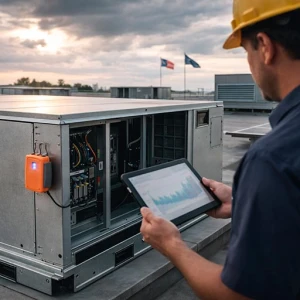
Evaluation may include mechanical operation, electrical controls within the HVAC equipment, refrigerant conditions, airflow, hydronic flow, sensors, safeties, schedules, staging, and connected components. Only the parts relevant to the complaint and installed system belong in the active scope. A broad equipment survey is not substituted for focused fault isolation.
If the condition cannot be reproduced, the visit should record what was observed, which operating windows matter, and what evidence is needed next. Guessing at a component creates another visit without improving the facility’s understanding of the failure.
Authorization separates findings from work
Findings do not automatically authorize every possible correction. The facility should receive a clear explanation of the confirmed condition, recommended work, dependencies, limitations, and any alternatives that materially change the outcome. Repair work begins after the responsible contact approves the scope under the property’s purchasing rules.
What can change the repair scope
- Access to the responsible equipment, occupied zones, controls, and connected systems may be limited to a specific window.
- Parts or equipment may require follow-up once the exact model, configuration, and failed condition are confirmed.
- A mechanical symptom can be sustained by controls, distribution, utility, structural, or another-trade conditions outside a narrow component repair.
- Safe operation may require stabilization first and permanent correction during a planned shutdown.
- Repeated or load-dependent faults may need a separate diagnostic engagement with evidence captured during the trigger window.
Repair and stabilization are different outcomes
A completed repair corrects the approved fault and reaches the agreed verification point. Stabilization creates a controlled interim state when permanent completion cannot be achieved during the current window. Stabilization should identify what remains, why it remains, what conditions must be maintained, and the next authorized step.
Operating verification belongs to the original complaint
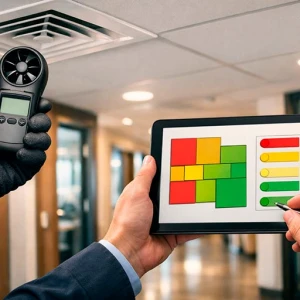
A system turning on is not sufficient proof for every repair. Verification can require usable heating or cooling through an operating cycle, stable behavior during a schedule change, response in the affected zone, confirmation of airflow or hydronic delivery, or observation during the load condition that previously triggered the fault. The chosen check must be technically appropriate and safe.
What the facility receives at handoff
The close-out should identify the complaint, relevant findings, work completed, parts or systems affected, operating result, limitations, and recommendations. It should also distinguish required follow-up from optional improvement. Clear handoff information helps property teams communicate internally and prevents a later technician from restarting the investigation without context.
What a repair visit does not promise
A repair visit does not guarantee that every concealed condition will be found, that every required part is available during the first window, or that aging equipment will never develop another unrelated fault. It also does not convert repair findings into an unapproved replacement, controls, or capital project. Those decisions receive their own scope.
Schedule the correct repair path
ClimateService provides commercial HVAC repair in Chicago and nearby suburbs. Share the property address, affected areas, present symptom, equipment identity if known, recent history, access requirements, and operational impact. Intake will route complete failures, degraded performance, emergency conditions, troubleshooting, diagnostics, and repeat-failure cases to the appropriate service owner. The responsible site contact should also identify approval limits and any window when the complaint can be observed safely.