Heating & Cooling Chicagoland

Restaurant Refrigeration Service

Restaurant refrigeration service coordinates fixed-site cold equipment with kitchen schedules, product handling, sanitation, door traffic, heat, ventilation, controls, drainage, and shared refrigeration relationships.

EPA 608 Type II CertifiedR-404A · R-134a · A2L
Licensed & InsuredCOI & additional insured
24/7 Emergency ResponseMinimize downtime
Commercial & FacilitiesRestaurants · retail · warehouses
Protect Cold Operations

Protect Cold Operations

Identify affected equipment, product procedure, schedule, loading, alarms, access, shared reach, and facility owners.

Map Every Circuit

Map Every Circuit

Connect walk-ins and serviceable units with evaporators, compressors, condensers, controls, power, and drains.

Separate Heat from Fault

Separate Heat from Fault

Compare cooking, ventilation, ambient, loading, doors, airflow, condenser conditions, controls, and equipment response.

Repair with Clean Access

Repair with Clean Access

Coordinate sanitation, product, floors, traffic, isolation, tools, water, debris, covers, and final restoration.

Verify Cold Equipment

Verify Cold Equipment

Test compressor, condenser, airflow, refrigerant, controls, defrost, drainage, doors, alarms, cycling, and temperatures.

Transfer Clear Boundaries

Transfer Clear Boundaries

Document repairs, tests, settings, sanitation and product roles, open facility work, limits, and monitoring.

Foodservice Operating Context

Affected assets, product procedures, schedule, preparation, deliveries, cleaning, alarms, loading, utilities, and prior work define service.

Asset and Circuit Map

Walk-ins, reach-ins, evaporators, compressors, condensers, shared circuits, controls, power, drains, and heat rejection are identified.

Protected Kitchen Access

Preparation, traffic, hot equipment, floors, roof access, noise, sanitation, product, cleaning, and restoration shape the work plan.

Kitchen Heat and Load

Cooking, dishwashing, ventilation, ambient heat, condenser airflow, grease, doors, warm loading, and traffic are separated from faults.

Restaurant refrigeration service protects fixed-site cold operations across walk-in coolers and freezers, serviceable reach-ins, preparation or undercounter equipment, remote condensing systems, controls, drains, doors, and shared facility conditions. ClimateService supports authorized Chicago foodservice facilities while preserving clear boundaries: product decisions stay with the operator, kitchen ventilation remains in its own branch, and transport refrigeration is never treated as restaurant equipment.

Prioritize the affected foodservice operation

The service request identifies which space or equipment is affected, product-handling actions already taken, operating schedule, preparation and delivery windows, temperature history, alarms, door traffic, recent loading, cleaning, utility events, and prior work. Facility staff follow their approved food-safety and product-disposition procedures. The technician records equipment evidence without making unsupported release or compliance decisions.

Map shared and dedicated refrigeration assets

Walk-ins, reach-ins, preparation units, evaporators, compressors, remote condensers, shared circuits, controllers, electrical panels, drains, and heat-rejection locations are identified. A kitchen may contain several visually similar pieces of equipment with different owners or condensing arrangements. Correct mapping prevents shutdown of the wrong circuit and shows whether one failure can affect multiple service stations or rooms.

Schedule work around kitchen realities

Opening hours, preparation, deliveries, cleaning, floor conditions, hot equipment, customer areas, roof access, noise, sanitation, pest-control boundaries, product movement, and employee traffic influence timing. A technically simple repair can become disruptive if access requires moving a stocked line or crossing active preparation. The plan establishes a protected work area and a clean restoration path.

Separate equipment heat from surrounding load

Cooking equipment, dishwashing, ventilation imbalance, high kitchen temperature, blocked condenser airflow, grease and dust, doors held open, warm product, and frequent access can increase refrigeration demand. These conditions may coexist with a component fault. Service compares equipment capability and operation with the surrounding load so a failing condenser fan is repaired without ignoring the environment that contributed to stress.

Inspect walk-in airflow, doors, and enclosure

Evaporator fans, coil, frost, return and discharge paths, shelving, product clearance, drain pan, gaskets, hinges, closers, latches, thresholds, panel joints, penetrations, condensation, and traffic shape room performance. Restaurant use can change quickly through deliveries and preparation. Representative readings are taken beyond the controller location to detect blocked or uneven air distribution.

Diagnose serviceable kitchen refrigeration

Equipment identity, airflow, condenser cleanliness, fans, compressor operation, controls, sensors, door seals, drains, electrical supply, refrigerant evidence, ambient clearance, and loading are evaluated where the unit falls within the authorized commercial refrigeration scope. Appliance-only or unsupported equipment may require a different service provider. The boundary is documented instead of guessed after disassembly.

Review defrost, drainage, and sanitation interfaces

Defrost settings and components, drain pans, lines, traps, heat where applicable, cleanouts, insulation, termination, floor drains, water, ice, and cleaning practices are considered together. Refrigeration drainage work is coordinated with plumbing and sanitation responsibility. A blocked or freezing drain can damage product areas and finishes even when temperature remains temporarily acceptable.

Test controls, alarms, and remote notifications

Sensor placement, reference readings, setpoints, differential, fan and compressor outputs, defrost, alarm history, wiring, power, and remote-monitoring interfaces are checked. An alert is useful only when the point is trustworthy and a recipient owns the response. Alarm clearing without investigating the field condition can leave a restaurant dependent on the next temperature excursion.

Correct the verified refrigeration boundary

Repair may address fans, motors, controls, sensors, defrost, drains, relays, valves, piping, leaks, compressor or condenser components, or door hardware within scope. Refrigerant and electrical work follow qualified procedures. Broad kitchen ventilation, building power, enclosure reconstruction, equipment replacement, or facility remodeling receive clear coordination rather than being folded into a vague service promise.

Restore equipment and the work area deliberately

Tools, panels, guards, covers, drains, doors, shelving moved for access, protective materials, water, ice, debris, and electrical disconnects are checked before release. Settings and temporary overrides are restored. Facility representatives are told which equipment is operating, which product or cleaning decisions remain theirs, and whether any access, heat, ventilation, or enclosure issue is still open.

Verify under available restaurant load

Testing can include compressor and condenser response, evaporator or cabinet airflow, refrigerant behavior, controls, sensors, alarms, defrost, drainage, doors, cycling, and representative temperatures. Normal kitchen heat, loading, and traffic may not be available during service. The handoff distinguishes immediate equipment proof from monitoring that must continue through occupied operations.

Receive a restaurant-specific service handoff

ClimateService documents equipment and circuit identity, complaint, initial conditions, kitchen and loading context, airflow, condenser, refrigerant, control, defrost, drainage, door and enclosure findings, confirmed cause, repair, final settings and tests, sanitation and product boundaries, limitations, open work, and follow-up. The record is useful to both operators and future refrigeration technicians.
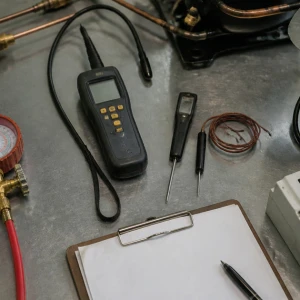
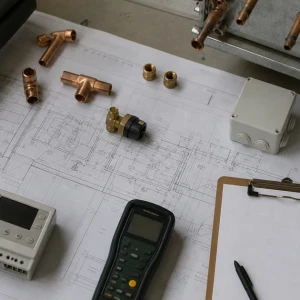
Walk-In Performance

Evaporator fans, coil, frost, airflow paths, shelving, clearance, drains, gaskets, doors, panels, condensation, and readings correlate.

Serviceable Equipment

Identity, airflow, condenser, fans, compressor, controls, sensors, seals, drains, power, refrigerant, access, and support establish boundary.

Clean Restoration

Panels, guards, covers, drains, doors, shelving, protection, water, ice, debris, disconnects, settings, and overrides are restored.

Operating-Load Verification

Condensing, evaporator airflow, refrigerant, controls, alarms, defrost, drains, doors, cycling, temperatures, limits, and monitoring transfer.

Restaurant Refrigeration Service Questions

What restaurant refrigeration equipment can be included in service?

Scope can include fixed-site walk-in coolers and freezers, remote condensing systems, and serviceable reach-in, preparation, or undercounter refrigeration where equipment type, access, parts, and authorization support the work. Appliance-only, proprietary, or unsupported units may require another provider. Transport refrigeration, delivery vehicles, trailers, kitchen hoods, and make-up air remain outside this page.

Can refrigeration work be performed while a restaurant is open?

Sometimes, depending on equipment location, product movement, sanitation, floor conditions, customer and employee traffic, noise, roof access, electrical isolation, shared circuits, and kitchen heat. A protected work area and restoration plan are needed. Work that crosses active preparation or affects several cold assets may be safer and less disruptive during a coordinated operating window.

Does restaurant refrigeration service determine whether food is safe?

No. The technician can document equipment state, temperatures, alarms, history supplied by the facility, repair, and operating verification. Food handling, disposition, sanitation, and release decisions remain with the restaurant’s approved procedures and responsible personnel. The service record should clearly separate measured refrigeration evidence from product decisions that are outside the HVAC contractor’s authority.

Why does restaurant refrigeration struggle during busy periods?

Busy periods can add door openings, warm product, cooking and dishwashing heat, higher kitchen temperature, ventilation imbalance, blocked airflow, and frequent loading. A refrigeration fault may also appear only under that load. Diagnosis compares equipment capacity and operation with condenser conditions, evaporator airflow, controls, doors, shared circuits, and actual restaurant use rather than assuming one cause.

Commercial Refrigeration Repair

Commercial refrigeration repair traces a product-temperature or equipment complaint through the refrigerated space, evaporator, condensing equipment, piping, controls, defrost, drainage, doors, loading, and surrounding conditions.

Commercial Refrigeration Installation

Commercial refrigeration installation coordinates refrigerated spaces, evaporators, condensing equipment, piping, controls, electrical service, drainage, doors, insulation, heat rejection, commissioning, and facility operations.

Walk-In Cooler Service and Repair

Commercial walk-in cooler service connects refrigeration components with the insulated room, doors, product airflow, controls, defrost, drainage, loading, and heat rejection to correct the cause of unstable temperature.

Walk-In Freezer Service and Repair

Commercial walk-in freezer service addresses low-temperature refrigeration, evaporator airflow, frost and defrost, heated drainage and doors where present, controls, insulation, vapor integrity, loading, and recovery.

Commercial Refrigeration and Walk-In Cooler Basics

This facility guide explains how fixed-site commercial refrigeration moves heat, how walk-in coolers depend on airflow and enclosure integrity, which conditions shape performance, and what evidence supports professional service.

Call us: (312) 940 6970