Heating & Cooling Chicagoland

Walk-In Cooler Service and Repair

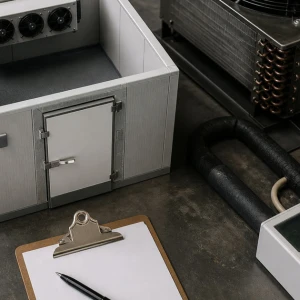
Commercial walk-in cooler service connects refrigeration components with the insulated room, doors, product airflow, controls, defrost, drainage, loading, and heat rejection to correct the cause of unstable temperature.

EPA 608 Type II CertifiedR-404A · R-134a · A2L
Licensed & InsuredCOI & additional insured
24/7 Emergency ResponseMinimize downtime
Commercial & FacilitiesRestaurants · retail · warehouses
Map Room Conditions

Map Room Conditions

Record temperatures, alarms, doors, loading, airflow paths, recent changes, weather, and affected locations.

Restore Airflow

Restore Airflow

Check fans, coil, ice, inlet, discharge, shelving, product clearance, room paths, and sensor position.

Control Moisture

Control Moisture

Evaluate doors, gaskets, panels, penetrations, defrost, drain pan, piping, insulation, and surrounding humidity.

Test Refrigeration

Test Refrigeration

Verify compressor, condenser, piping, metering, evaporator feed, controls, safeties, and operating response.

Repair the Proven Cause

Repair the Proven Cause

Correct confirmed fan, control, sensor, defrost, drain, electrical, refrigerant, door, or enclosure-related faults.

Verify the Whole Room

Verify the Whole Room

Confirm airflow, cycling, defrost, drainage, door closure, alarms, and temperatures across representative locations.

Room Temperature Pattern

Representative readings, controller, alarms, doors, loading, product clearance, schedule, weather, and affected areas define the complaint.

Cooler Air Circulation

Fans, rotation, coil, inlet, discharge, shelving, product paths, room geometry, and sensor position explain distribution.

Frost Pattern

Ice location, coverage, timing, fans, doors, drains, defrost, metering, and refrigerant behavior reveal likely causes.

Cooler Water Path

Defrost logic, sensors, termination, fan delay, pan, slope, trap, insulation, cleanout, termination, and floor condition are reviewed.

Walk-in cooler service and repair addresses the complete fixed-site cold room rather than one refrigeration component in isolation. ClimateService supports authorized Chicago businesses by tracing unstable temperature, long runtime, ice, water, noise, or alarms through the evaporator, condensing equipment, piping, controls, defrost, drainage, door, panels, insulation, product arrangement, and surrounding conditions. Walk-in freezer and transport-refrigeration intent remain separate.

Document the cooler complaint in operating context

Record air temperatures at representative locations, controller values, alarms, door activity, loading, product clearance, operating hours, recent service, weather, and whether the problem affects the whole room or one area. Facility teams retain responsibility for product handling. Capturing the active state before a reset helps distinguish equipment failure from intermittent door, airflow, defrost, or control behavior.

Check air circulation through the walk-in

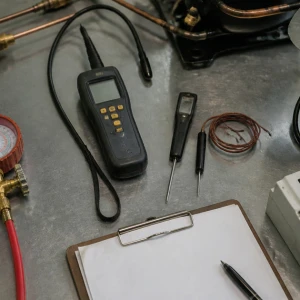
Evaporator fans, rotation, blades, guards, coil condition, inlet clearance, discharge throw, shelving, stored product, floor-to-ceiling pathways, and room geometry influence temperature distribution. A sensor near the discharge can look normal while blocked return air leaves other areas warm. Service observations compare local readings with actual airflow and use patterns rather than relying on one controller number.

Read frost and ice as diagnostic evidence

Ice location, thickness, timing, coil coverage, fan condition, door infiltration, drain behavior, defrost initiation, termination, and recovery help identify cause. Frost can reflect moisture entry, fan or defrost problems, sensor error, metering, or refrigerant conditions. Removing ice without correcting the initiating condition restores temporary airflow but does not complete the repair.

Inspect cooler defrost and water removal

Controller settings, schedules or demand logic where present, sensors, termination, fan delay, drain pan, slope, trap, insulation, cleanout, and termination are reviewed. Medium-temperature coolers can still develop ice and condensate problems. Water must leave without overflowing, freezing at vulnerable points, damaging panels, or creating unsafe floor conditions.

Evaluate the condensing side under real ambient conditions

Compressor operation, condenser coil, fan motors and blades, airflow clearance, recirculation, controls, current, piping, receiver where present, vibration, weather exposure, and safeties are correlated. Grease, dust, cottonwood, heat, or poor mechanical-room ventilation can reduce heat rejection. A condensing problem may appear inside as long runtime or uneven recovery rather than immediate shutdown.

Assess metering and refrigerant distribution

Evaporator feed, metering device response, sensing element placement where applicable, valves, line temperatures, pressures, insulation, piping support, leak evidence, and prior service history shape diagnosis. Qualified refrigerant procedures apply. Charge correction follows verified system conditions; it is not used as the default answer to a warm walk-in cooler.

Test cooler sensors and control behavior

Sensor location, mounting, calibration comparison, wiring, scaling, setpoint, differential, outputs, alarms, fan and compressor logic, defrost commands, and BAS or remote-monitoring interfaces are checked. A sensor affected by discharge air, a wall penetration, moisture, or a loose connection can make equipment cycle incorrectly while the displayed value still appears plausible.

Inspect door operation and warm-air entry

Gaskets, hinges, closers, latches, thresholds, sweeps, alignment, traffic, strip curtains where present, door-open practices, wall penetrations, and panel joints influence infiltration. Condensation or frost around a doorway can point to air leakage or surrounding humidity. Door and enclosure repairs are assigned clearly rather than translated into unnecessary refrigeration-component replacement.

Separate cooler repair from room-use limitations

Product placed against the evaporator, frequent warm loading, uncovered containers, prolonged open doors, blocked aisles, changed shelving, added lighting, or higher surrounding temperature can alter load and airflow. These conditions do not excuse equipment faults, but they matter to stable operation. The service report distinguishes controllable equipment performance from facility practices and enclosure conditions.

Perform a scoped walk-in correction

Authorized repair may address fans, motors, controls, sensors, defrost, drains, valves, piping, leaks, compressor or condenser components, door hardware, or related electrical items within scope. Work is planned around access, sanitation, product, water, electrical isolation, and shared equipment. Broad enclosure reconstruction or replacement planning receives an explicit separate owner and project boundary.

Verify room recovery beyond one cold spot

Testing can include compressor and fan operation, evaporator airflow, refrigerant response, controls, alarms, defrost, drainage, doors, cycling, and temperatures across representative locations. Available load and door activity affect recovery. When stable proof requires normal operations, the closeout defines monitoring locations, expected behavior, responsible review, and escalation conditions.

Leave a walk-in cooler operating baseline

ClimateService documents system identity, complaint, initial temperature pattern, airflow, frost, defrost, drain, condensing, refrigerant, control, door, enclosure, and loading observations; confirmed cause; completed repair; final settings and tests; product boundary; limitations; and open work. Facility staff receive practical evidence for continued monitoring, seasonal comparison, operating review, maintenance planning, product-load context, reliable trend review, and future service.
Outdoor Heat Rejection

Compressor, condenser coil, fans, clearance, recirculation, controls, current, piping, vibration, weather, and safeties correlate.

Door and Panel Load

Gaskets, hinges, closer, latch, threshold, traffic, curtains, penetrations, joints, condensation, and surrounding humidity show infiltration.

Scoped Cooler Repair

Fans, controls, sensors, defrost, drains, valves, piping, leaks, condenser components, doors, electrical work, and access receive boundaries.

Whole-Room Proof

Airflow, refrigeration, controls, alarms, defrost, drainage, doors, cycling, representative temperatures, limits, and monitoring verify.

Walk-In Cooler Service and Repair Questions

Why is one area of a walk-in cooler warmer than another?

Uneven temperature can result from blocked evaporator return or discharge, stopped fans, shelving or product placement, door infiltration, ice, sensor location, room geometry, added load, damaged panels, or insufficient refrigeration performance. Service should compare readings at representative locations with airflow, equipment operation, doors, loading, and controls instead of judging the entire room from one sensor.

What causes ice inside a commercial walk-in cooler?

Possible causes include warm moist air entering through doors or penetrations, poor gaskets, blocked airflow, failed evaporator fans, defrost or sensor problems, drainage issues, metering or refrigerant conditions, and unusual loading. Ice location and timing provide evidence. Removing it may be necessary for access, but the initiating airflow, moisture, control, or refrigeration cause still requires correction.

Can a walk-in cooler run while its door gasket is damaged?

It may continue operating, but warm-air infiltration can increase load, moisture, frost, condensation, runtime, and temperature variation. Severity depends on the gap, traffic, surrounding conditions, equipment capacity, and other faults. Door alignment, hinges, closer, latch, gasket contact, threshold, and panel condition should be evaluated together rather than replacing the gasket without checking fit.

How is a walk-in cooler repair confirmed?

Verification may include compressor and condenser operation, evaporator fans and airflow, refrigerant response, controls, sensors, alarms, defrost, drainage, door closure, cycling, and temperatures across representative room locations. Load and traffic may require continued facility monitoring. The record should state tested conditions, unavailable states, final settings, open enclosure issues, and responsible follow-up.

Commercial Refrigeration Repair

Commercial refrigeration repair traces a product-temperature or equipment complaint through the refrigerated space, evaporator, condensing equipment, piping, controls, defrost, drainage, doors, loading, and surrounding conditions.

Commercial Refrigeration Installation

Commercial refrigeration installation coordinates refrigerated spaces, evaporators, condensing equipment, piping, controls, electrical service, drainage, doors, insulation, heat rejection, commissioning, and facility operations.

Walk-In Freezer Service and Repair

Commercial walk-in freezer service addresses low-temperature refrigeration, evaporator airflow, frost and defrost, heated drainage and doors where present, controls, insulation, vapor integrity, loading, and recovery.

Restaurant Refrigeration Service

Restaurant refrigeration service coordinates fixed-site cold equipment with kitchen schedules, product handling, sanitation, door traffic, heat, ventilation, controls, drainage, and shared refrigeration relationships.

Commercial Refrigeration and Walk-In Cooler Basics

This facility guide explains how fixed-site commercial refrigeration moves heat, how walk-in coolers depend on airflow and enclosure integrity, which conditions shape performance, and what evidence supports professional service.

Call us: (312) 940 6970