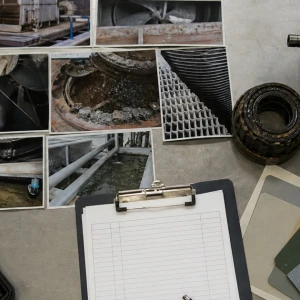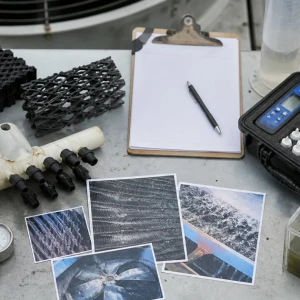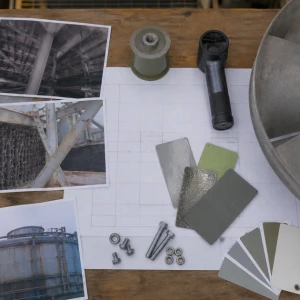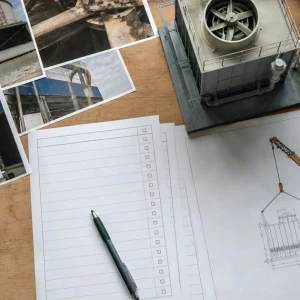


Commercial cooling tower cleaning is a defined service project, not a substitute for mechanical maintenance or a complete water-management program. The work may address basin debris, sludge, fouling, scale, biological material, clogged distribution, fill, drift eliminators, or accessible surfaces. ClimateService coordinates authorized Chicago tower cleaning with plant operation, water handling, treatment providers, and clear documentation boundaries.
Define why the tower needs cleaning
Visible sludge, debris, scale, fouled fill, blocked nozzles, uneven distribution, poor heat rejection, maintenance findings, seasonal transition, construction contamination, or a water-management response may drive scope. The objective determines surfaces, method, isolation, chemistry, sampling, and acceptance. A generic wash should not be assumed suitable for every material or condition.
Survey tower construction and accessible areas
Identify tower type, cells, basin materials, coatings, fill, drift eliminators, louvers, distribution, nozzles, strainers, pumps, makeup, blowdown, drains, access doors, ladders, platforms, and surrounding roof or yard. Fragile or degraded components can be damaged by cleaning. Structural or access concerns require qualified responsible review before entry or loading.
Coordinate isolation and plant continuity
Active cells, chiller load, pumps, valves, bypasses, season, weather, redundancy, tenant or process consequence, drain-down, refill, and restoration determine the work window. Cleaning one cell while another operates requires clear isolation and drift control. Temporary heat rejection or alternate operation needs separately verified capacity and monitoring.
Plan water, sludge, and waste handling
Drain routes, containment, solids, treatment chemicals, discharge limitations, spill response, roof drains, sanitary or storm connections, vacuum equipment, transport, and disposal responsibilities should be established by appropriate parties. ClimateService follows authorized site procedures within its scope. Mechanical work does not determine environmental or regulatory requirements on its own.
Select methods compatible with materials and deposits
Vacuuming, manual removal, controlled low-pressure washing, brushing, chemical cleaning, descaling, or specialized methods may apply. Pressure, temperature, chemistry, dwell time, rinsing, containment, coating compatibility, plastics, wood, galvanized or stainless steel, and manufacturer guidance matter. Aggressive methods can damage fill, coatings, seals, sensors, or adjacent equipment.
Clean basin and accessible water paths
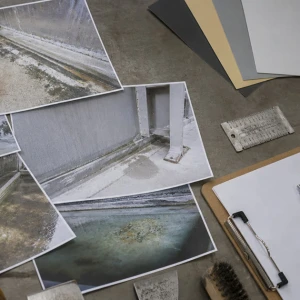
Sludge, sediment, leaves, construction debris, loose scale, corrosion products, strainers, suction areas, makeup hardware, overflow, drains, blowdown, and basin heaters may receive attention according to scope. Leaks, coating failure, severe corrosion, or damaged hardware discovered during cleaning should be documented and routed into repair rather than concealed by the completed wash.
Address distribution and heat-transfer media carefully
Nozzles, spray branches, distribution basins, fill, drift eliminators, and louvers can contain deposits or biological material and may be brittle or difficult to access. Cleaning feasibility depends on component type and condition. Collapsed fill, damaged drift, blocked nozzles, or failed supports may require replacement for dependable distribution and airflow.
Coordinate treatment and disinfection responsibilities
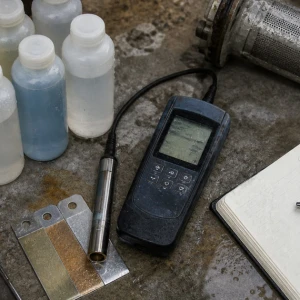
Water-treatment providers or other qualified parties may define chemistry, biological control, sampling, disinfection, neutralization, refill, and post-work monitoring. Mechanical cleaning supports physical condition but should not be represented as a health or compliance guarantee. The work plan should identify who approves the method and restores the water program.
Protect workers, occupants, and nearby equipment
Isolation, access, respiratory and chemical controls, aerosols, overspray, electrical equipment, slippery surfaces, lifts, confined or restricted areas, adjacent air intakes, public zones, and weather may require site-specific controls. Responsible safety parties establish procedures. Work should not begin from an informal assumption that an open tower is a routine wash area.
Verify cleanliness and mechanical readiness separately
Visual cleanliness, removed material, accessible surfaces, strainers, drains, nozzles, distribution, basin level, makeup, leaks, pump readiness, fan guards, controls, and refill may be reviewed. Cleaning acceptance does not prove complete heat-transfer performance, water chemistry, microbiological condition, or component integrity unless those tests and responsible parties are included.
Use findings to prevent rapid re-fouling
Cleaning photographs and removed material can reveal recurring sources such as open access points, damaged louvers, construction dust, poor basin sweeping, inadequate blowdown, distribution blockage, corrosion products, or nearby vegetation. The handoff should separate mechanical corrections from treatment adjustments and building-operation responsibilities. Addressing the source protects the value of the cleaning without claiming that every deposit can be prevented.
Plan the return to service in a controlled sequence
Before refill, confirm that tools and loose material are removed, drains and strainers are ready, access panels are secure, and discovered defects are dispositioned. Refill, makeup, pumps, distribution, fans, controls, treatment restoration, and leak observation should follow assigned steps. A staged restart makes abnormal level, flow, vibration, or leakage easier to identify before full plant demand returns.
ClimateService leaves a traceable cleaning record
ClimateService documents scope, isolation, methods, accessible areas, removed material, condition findings, photographs, water handling, treatment coordination, damaged components, limitations, restoration checks, and recommended maintenance within its role. Facility teams receive clear mechanical, treatment, testing, disposal, and repair handoffs for continued tower ownership.