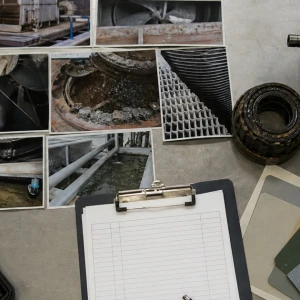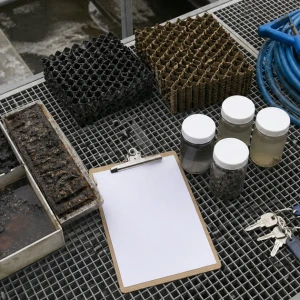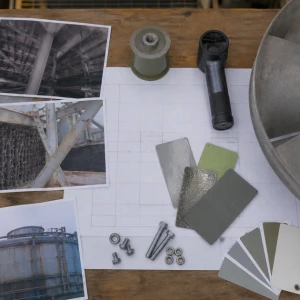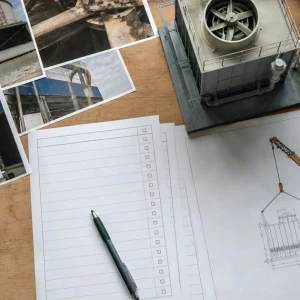


Commercial cooling tower maintenance is an equipment-specific program shaped by tower construction, cells, heat-rejection duty, operating season, water treatment, environment, mechanical drives, controls, and facility consequence. ClimateService organizes authorized Chicago-area tower tasks and condition records while coordinating treatment, chiller, controls, structural, and specialist responsibilities without absorbing them into a generic checklist.
Build maintenance around verified tower assets
Record manufacturer and model where available, tower type, materials, cells, fans, motors, drives, gearboxes, fill, drift eliminators, distribution, basins, pumps, controls, heaters, served plant, access, and redundancy. Field conditions should be reconciled with drawings and histories. Similar towers can have different materials, duty, and service requirements.
Match frequency to operation, environment, and risk
Seasonal or year-round use, runtime, load, water quality, debris, weather, freezing, corrosion, biological exposure, prior failures, redundancy, critical operations, and manufacturer guidance influence intervals. Routine, seasonal, annual, and condition-triggered work may apply. Maintenance reduces avoidable risk but cannot guarantee that a component will not fail.
Inspect basin and water-management hardware
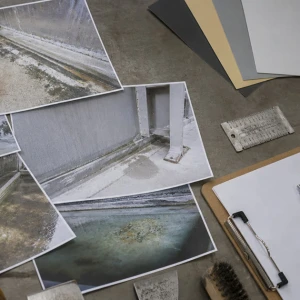
Basin level, makeup assemblies, overflows, drains, blowdown, strainers, suction, heaters, leaks, coatings, seams, penetrations, sludge, debris, scale, and corrosion should be reviewed within scope. Cleaning, coating, repair, water treatment, sampling, and disinfection are separate tasks unless included. Water handling and discharge requirements remain assigned.
Review water distribution and heat-transfer media
Nozzles, spray branches, distribution basins, fill, drift eliminators, louvers, supports, fouling, scale, damage, and uneven wetting affect heat transfer and carryover. Accessible condition can be documented during operation or shutdown as appropriate. Component replacement and deeper cleaning should be prioritized by evidence, compatibility, access, and operating window.
Maintain fans, motors, drives, and gearboxes
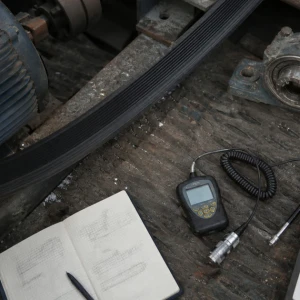
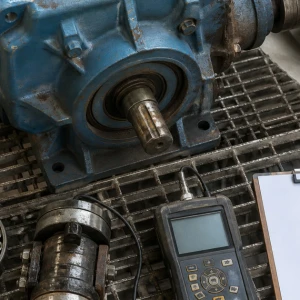
Fan blades, hubs, shafts, bearings, belts, sheaves, couplings, motors, variable-speed drives, gearboxes, oil, guards, alignment, rotation, vibration, fasteners, and supports need component-specific attention. Lubrication and adjustment follow equipment requirements. Trendable vibration or oil information can reveal change before a visible breakdown.
Inspect structure, casing, and safe service access
Panels, framing, fasteners, doors, ladders, platforms, supports, guards, roof or yard conditions, lighting, drainage, and service clearances influence maintenance and repair. Mechanical technicians report observable condition. Structural adequacy, fall-protection certification, roofing, and site-safety systems remain with qualified responsible parties.
Coordinate water treatment without duplicating it
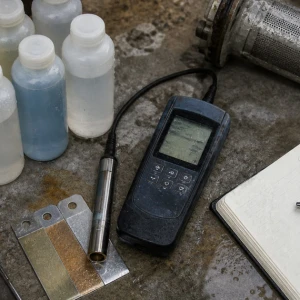
Treatment feed, conductivity, makeup, blowdown, scale, corrosion, biological control, filtration, sampling, and water history affect tower condition. Treatment providers own chemistry programs and related conclusions. Mechanical maintenance shares observations, coordinates cleaning or drain-down, and verifies that treatment restoration receives an explicit responsible party after work.
Verify controls and plant sequence context
Fan commands, stages or speed, basin heaters, makeup, level controls, temperature setpoints, pump interlocks, bypasses, alarms, safeties, network points, trends, and overrides should match field operation. Chiller demand and condenser-water temperatures provide context. Programming or full functional testing requires defined scope and acceptance criteria.
Plan seasonal startup and shutdown deliberately
Freeze protection, basin heaters, drains, exposed piping, makeup, valves, fan condition, debris, treatment, cleaning, strainers, controls, and operating readiness should be coordinated before seasonal transitions. Shutdown practices must match tower and facility requirements. A seasonal visit does not replace ongoing treatment or condition-triggered corrective work.
Use records to identify deterioration and recurring work
Water temperatures, ambient and load, fan stages, vibration, oil, motor current, basin condition, leaks, fill and nozzle observations, treatment context, cleaning, repairs, controls changes, and open findings can form a comparable history. Asset and cell identity matter. Records without operating conditions may create misleading trends.
Trend findings into practical capital planning
Recurring coating loss, corrosion, vibration, gearbox wear, media fouling, distribution problems, or controls defects should be compared across visits. A condition trend helps facility teams separate routine maintenance from a repair, restoration, or replacement project. Recommended timing should reflect operating consequence, redundancy, access, procurement lead time, and the evidence actually observed.
ClimateService routes findings into owned actions
ClimateService documents completed tasks, observations, readings, available modes, corrected items, open recommendations, priorities, and next timing within its scope. Findings may route into cleaning, basin repair, fan or gearbox service, fill work, treatment, controls, chiller review, restoration, or replacement. Facility teams receive boundaries and triggers instead of unsupported reliability or compliance guarantees.
The maintenance plan should change after major tower work
Cleaning, coating, basin repair, fill replacement, fan or gearbox work, controls changes, water-treatment adjustments, plant reconfiguration, or a new chiller can change the task set and baseline. Updated records should identify new materials, lubrication, filters, settings, inspection points, cure or break-in requirements, and responsible follow-up. Obsolete tasks should be removed instead of copied forward.
Facility teams should also review access, isolation, spare parts, lifting routes, seasonal constraints, and vendor support after major findings. Planning these items outside an emergency window can reduce restoration time without claiming that maintenance will prevent every future failure. The current program should remain accessible to operators and service providers.