

Commercial cooling tower rebuild or replacement becomes necessary when repairs no longer provide a dependable, maintainable heat-rejection asset. The decision must connect tower condition, required duty, chiller plant operation, water quality, controls, site access, structure, schedule, and lifecycle cost. ClimateService develops authorized Chicago-area mechanical scope while design, structural, environmental, treatment, electrical, and permitting responsibilities remain assigned to qualified parties.
Start with the operating requirement
Document connected chillers or process loads, design and observed water temperatures, flow, wet-bulb basis, active cells, fan control, pump arrangement, redundancy, seasonal operation, future load, and allowable outage. Nameplate tonnage alone does not define tower selection. Existing plant limitations and unavailable test conditions should remain visible.
Build an evidence-based condition baseline
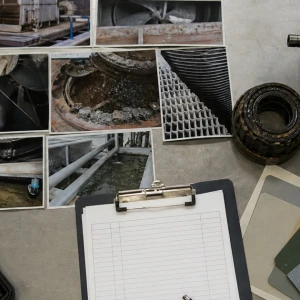
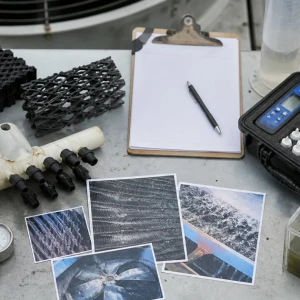
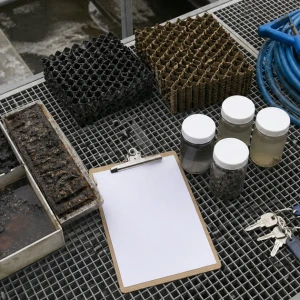
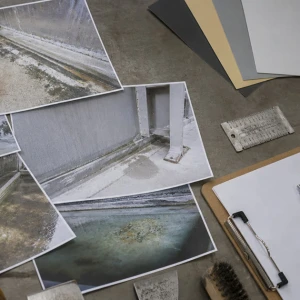
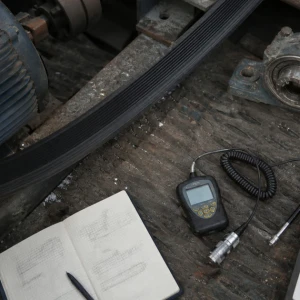
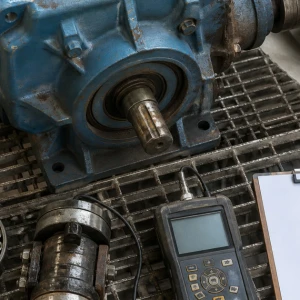
Inspect framing, basin, casing, coatings, panels, fasteners, supports, fill, drift eliminators, louvers, distribution, nozzles, fans, shafts, bearings, motors, drives, gearboxes, access, piping connections, level controls, heaters, and history. Concealed conditions may require planned opening. Safety or structural conclusions belong to responsible specialists.
Compare rebuild and replacement on the same basis
A rebuild may retain viable structure while renewing media, distribution, mechanical drives, coatings, panels, or controls. Replacement may improve capacity, maintainability, materials, efficiency, sound, plume behavior, footprint, or manufacturer support. Compare scope exclusions, expected service, downtime, temporary operation, engineering, rigging, treatment restoration, and risk instead of comparing equipment price alone.
Verify selection and integration boundaries
Tower type, cell count, materials, fan arrangement, motor and drive, design conditions, fluid quality, approach, range, pump head, nozzle pressure, drift, basin volume, operating weight, sound, controls, freeze strategy, and maintenance clearance affect fit. Manufacturer selection should be reviewed against project design rather than substituted by a generic catalog match.
Survey structure, roof, yard, and access
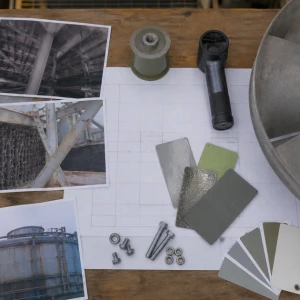
Operating weight, reactions, vibration, support steel, curbs, roof openings, drainage, corrosion, ladders, platforms, guardrails, crane reach, street or yard restrictions, overhead utilities, air intakes, neighbors, and component path shape execution. Qualified structural and rigging parties should approve their work. Mechanical measurements support, but do not replace, those decisions.
Coordinate water, piping, and treatment systems
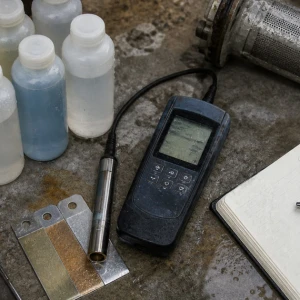
Condenser-water piping, valves, bypasses, strainers, makeup, overflow, drains, blowdown, basin equalization, pumps, filtration, treatment feed, sampling, heaters, and controls need defined interfaces. Materials and water program should be compatible. Drain-down, disposal, refill, cleaning, disinfection where required, and treatment restoration need named ownership.
Plan electrical and controls integration
Motors, voltage, disconnects, starters or variable-speed drives, heaters, level devices, vibration switches, fan staging, temperature control, alarms, safeties, BAS points, network interfaces, and sequences should be mapped. Electrical and controls work may involve separate contractors. Point verification and functional checks should use an approved sequence.
Create a realistic continuity plan
Plant load, weather, occupied schedules, process consequence, available cells, redundant equipment, rentals, temporary piping, chemical control, monitoring, lifts, demolition, delivery, cure times, startup, and contingency determine the outage. Temporary heat rejection must have verified capacity and engineering where applicable. A calendar date alone is not a continuity plan.
Control demolition and discovery
Before removal, identify isolation, residual water, chemicals, electrical energy, lifting points, component weights, roof protection, debris path, hazardous-material responsibility, and salvage. Hidden corrosion, failed supports, incompatible piping, or damaged wiring should follow photographed stop points, responsible review, price, schedule impact, and written authorization.
Installation quality depends on interfaces
Support level, anchorage, vibration isolation, casing assembly, field seams, basin sealing, piping stress, flexible connectors, fan clearances, alignment, lubrication, guards, access, wiring, sensors, coatings, and weather protection influence reliability. Manufacturer instructions and project documents govern tolerances. Punch items should be recorded before full-load operation.
Commission the tower with the connected plant
Checks may include basin and piping leaks, levels, makeup, overflow, drains, blowdown, distribution, pump flow, fan rotation, motor current, vibration, drive operation, controls response, alarms, temperatures, cell staging, treatment restoration, and available-load performance. Design-condition acceptance may remain deferred when weather or plant load is insufficient.
Prepare operations before the project team leaves
Facility staff should know the normal basin level, expected fan stages, alarm response, inspection points, lubrication schedule, treatment interfaces, cleaning access, freeze procedures, and warranty communication path. Spare belts, seals, probes, filters, or other critical parts should reflect actual equipment and lead times. Training should use the installed tower and approved sequence, not generic slides that ignore site valves, controls, and access.
ClimateService delivers a maintainable project record
ClimateService documents fully verified condition, selection inputs, installed equipment, materials, interfaces, photographs, tests, settings, limitations, open items, warranties, maintenance requirements, and future verification within its scope. Facility teams receive a usable baseline rather than scattered invoices. The record distinguishes completed mechanical work from engineering, treatment, compliance, and performance responsibilities held by others.