

Commercial cooling tower repair requires a clear understanding of the tower cell, heat-rejection duty, water system, mechanical drive, materials, controls, and operating consequence. A leak, vibration, high temperature, debris, corrosion, or reduced capacity can have several causes. ClimateService investigates authorized Chicago-area tower conditions and documents repair boundaries without confusing tower work with chiller, treatment, structural engineering, or legal compliance ownership.
Define the symptom and affected plant operation
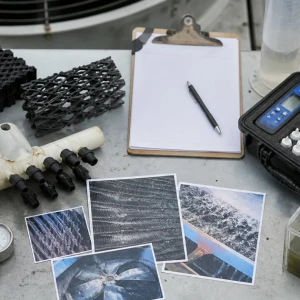
Identify the tower and cells, reported condition, timing, weather, load, active fans and pumps, basin level, water temperatures, controls state, redundancy, acceptable outage, and recent service. Leaks, fan trips, vibration, poor approach, overflow, low basin level, damaged fill, drift, icing, noise, or corrosion require different evidence and urgency.
Inspect casing, structure, access, and supports
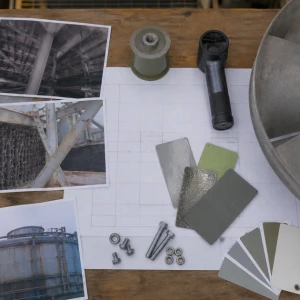
Panels, framing, fasteners, louvers, doors, ladders, platforms, supports, vibration isolation, and surrounding roof or yard conditions may show damage or access constraints. Materials vary across factory-assembled and field-erected towers. Structural concerns and fall-protection systems require qualified responsible parties; mechanical observations do not replace engineering approval.
Trace leaks to the correct component
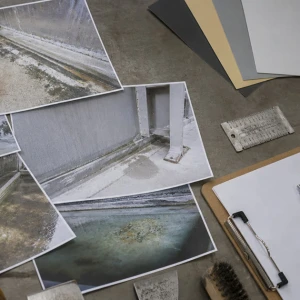
Basin seams, coatings, penetrations, piping connections, valves, drains, overflows, makeup assemblies, distribution piping, nozzles, coil sections where applicable, and splash-out can appear as a tower leak. Water path, pump state, wind, level, and operating cell matter. Coating or sealing should follow compatible surface preparation and material requirements.
Evaluate fan, motor, drive, and gearbox condition
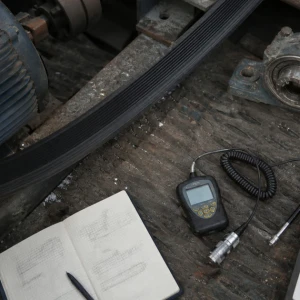
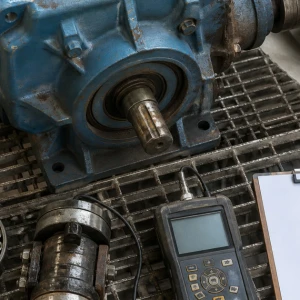
Fan blades, hubs, shafts, bearings, belts, sheaves, couplings, motors, drives, gearboxes, oil, guards, supports, alignment, rotation, and vibration influence mechanical reliability. A failed bearing or motor may have contributing misalignment, imbalance, structural movement, lubrication, water intrusion, or control conditions. Large components also require lifting and access planning.
Inspect fill, drift eliminators, louvers, and distribution
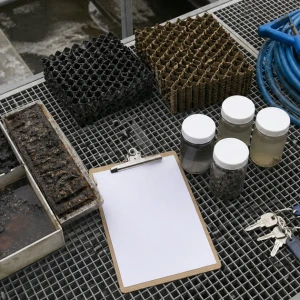
Collapsed, fouled, scaled, brittle, missing, or displaced fill can restrict airflow and water distribution. Damaged drift eliminators or louvers can affect carryover and airflow. Clogged nozzles, distribution basins, spray branches, or uneven flow reduce heat transfer. Cleaning, component replacement, and water treatment remain distinct scopes that may accompany repair.
Review basin, makeup, blowdown, and water conditions
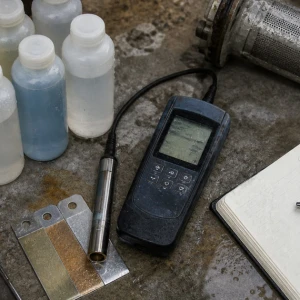
Basin level, float or level controls, makeup, overflow, drains, strainers, suction, blowdown, heaters, temperature, debris, sludge, scale, corrosion, biological growth, and treatment information can explain symptoms. Mechanical repair should coordinate with the water-treatment provider and facility plan. Visual observation is not a complete chemistry or microbiological conclusion.
Correlate pumps, piping, controls, and chiller demand
Condenser-water pumps, valves, bypasses, flow, temperatures, tower fan stages, variable-speed drives, setpoints, chiller commands, safeties, alarms, trends, and overrides affect operation. A tower repair can identify system contributors while chiller or BAS work retains separate ownership. The active plant configuration should accompany every performance conclusion.
Plan isolation and continuity before major work
Cell availability, plant load, season, weather, redundant towers, bypasses, drain-down, temporary heat rejection, chemical treatment, tenant or process consequence, lifts, access, and restoration determine the repair window. Temporary arrangements require engineering and monitoring where applicable. Zero downtime should not be promised without a specific supported system and procedure.
Repair scope should identify materials and preparation
Fiberglass, galvanized or stainless steel, wood, coatings, elastomers, fasteners, bearings, shafts, and plastic components require compatible repair methods. Cleaning, drying, temperature, cure time, alignment, torque, lubrication, and manufacturer requirements can control quality. Concealed deterioration discovered after disassembly should follow a documented change and approval path.
Testing verifies mechanical and thermal readiness
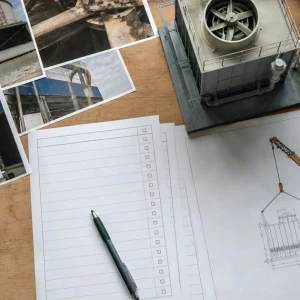
After repair, checks may include leaks, basin level, makeup, drains, water distribution, fan rotation, vibration, alignment, motor current, drive or gearbox operation, guards, controls response, temperatures, and observation under available load. Water-treatment restoration and chiller-system acceptance remain assigned. Unavailable capacity or seasonal conditions should be recorded.
ClimateService provides a traceable tower repair handoff
ClimateService records the reported condition, evidence, repaired components, materials, operating context, tests, open contributors, limitations, and next maintenance within its scope. Facility staff receive clear tower, treatment, controls, chiller, structural, and project responsibility boundaries. This supports dependable follow-up without making legal, health, or performance guarantees beyond verified work.
Post-repair observation should match the failure mode
A basin seam may need observation through changing water levels; vibration may need review across fan speeds; a gearbox repair may require oil and temperature checks; distribution work may need all active cells and pumps. The follow-up method should be tied to the original failure and operating condition rather than a generic elapsed-time visit.
When full load, warm weather, or all plant stages are unavailable, the record should identify deferred evidence, monitoring points, responsible contacts, and response thresholds. This lets the facility distinguish a completed mechanical repair from performance conditions that still require verification.