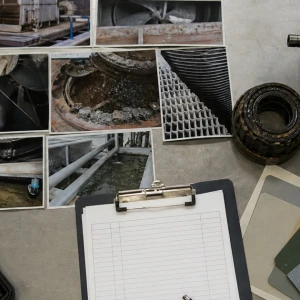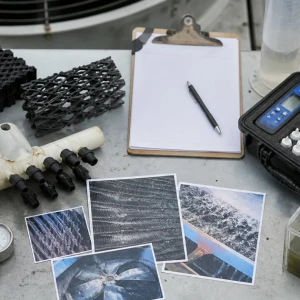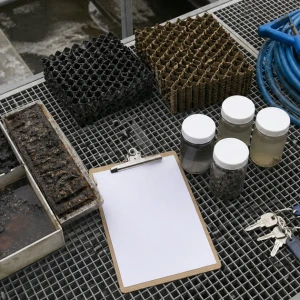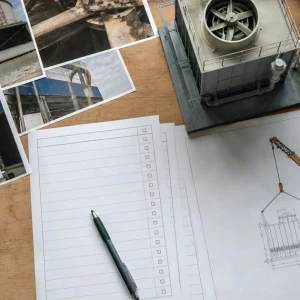


Commercial cooling tower restoration addresses broader deterioration than routine repair. A project may combine basin and casing rehabilitation, coatings, panels, fasteners, supports, fill, drift eliminators, louvers, distribution, fans, motors, drives, gearboxes, access, and controls. ClimateService develops authorized Chicago tower restoration scope from condition evidence while qualified structural, water-treatment, safety, and design responsibilities remain explicit.
Define whether restoration matches the ownership goal
Owners may seek leak control, corrosion repair, improved serviceability, heat-rejection recovery, lifecycle extension, phased capital work, or compatibility with a chiller project. Establish required horizon, plant load, redundancy, acceptable outage, budget stage, and future replacement plans. Restoration should have a clear objective beyond improving appearance.
Assess the complete tower before selecting repairs
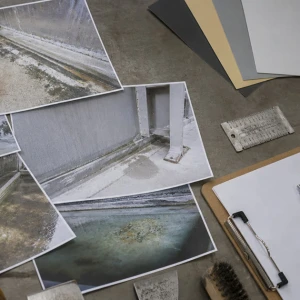
Review cells, materials, framing, panels, fasteners, supports, basins, coatings, fill, drift, louvers, distribution, fans, drives, gearboxes, motors, heaters, controls, piping interfaces, access, leaks, corrosion, vibration, and service history. Inaccessible or concealed conditions should become investigation or contingency items rather than optimistic assumptions.
Separate mechanical condition from structural authority
Mechanical technicians can document observable deterioration and serviceability. Load capacity, structural repair design, anchorage, platforms, ladders, framing adequacy, and material engineering may require qualified specialists. The project responsibility map should identify inspection, design, fabrication, installation, and acceptance authority before field work exposes or alters structural elements.
Develop material-compatible basin and casing scope
Fiberglass, galvanized or stainless steel, wood, concrete, coatings, sealants, elastomers, and fasteners require compatible preparation and repair methods. Surface cleaning, drying, corrosion removal, reinforcement, seams, penetrations, cure temperature, humidity, water exposure, and manufacturer requirements influence performance. Test areas or specialist recommendations may be needed.
Evaluate media and distribution as a system
Fill, drift eliminators, louvers, supports, nozzles, branches, distribution basins, flow, fouling, scale, damage, and access determine whether cleaning, selective replacement, or full replacement is practical. New media should fit tower geometry, water distribution, airflow, weight, materials, fire characteristics where applicable, and service access.
Rehabilitate mechanical drive components deliberately
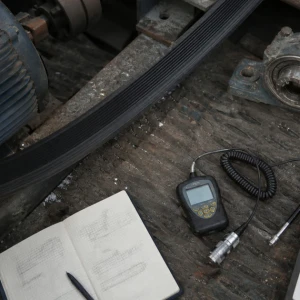
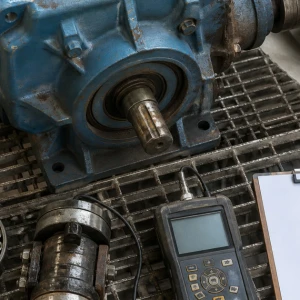
Fans, blades, hubs, shafts, bearings, belts, sheaves, couplings, motors, drives, gearboxes, oil systems, guards, supports, alignment, vibration, and controls may have different remaining condition. Replacing one component should not hide an unsuitable support or drive train. Lifting, balance, rotation, lubrication, and startup requirements belong in scope.
Coordinate water treatment and cleaning phases
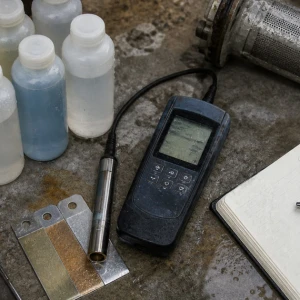
Drain-down, containment, cleaning, scale and corrosion, biological control, treatment shutdown, refill, sampling, blowdown, and chemistry restoration should be coordinated with the appropriate provider. Restoration materials may require specific water conditions and cure time. Mechanical completion should not occur without an assigned plan for returning the water program to service.
Plan plant continuity and phased cell work
Active cells, chiller load, season, weather, redundancy, temporary heat rejection, pumps, valves, isolation, chemical handling, lifts, access, tenant or process consequence, and restoration criteria determine sequence. Work on one cell can affect airflow, drift, water distribution, controls, or shared basins. The phase plan should show temporary boundaries and final end state.
Use discovery and change control for concealed deterioration
Removing coatings, fill, panels, guards, or drive components may reveal corrosion, failed fasteners, damaged supports, cracks, leaks, or inaccessible surfaces not visible during assessment. The contract should define documentation, temporary protection, engineering review, pricing method, schedule impact, approval authority, and when work must stop before proceeding.
Test restored systems at component and plant levels
Checks may include leaks, coatings, basin level, makeup, overflow, drains, distribution, fill support, drift, fan rotation, alignment, vibration, current, drive or gearbox, guards, controls, temperatures, and available-load performance. Structural and treatment acceptance retain their authorities. Seasonal or capacity limits should remain in the final record.
Manage discovery without losing project control
Removal of coatings, panels, fill, drift eliminators, guards, or drive components can expose concealed corrosion, failed supports, damaged fasteners, or inaccessible leaks. The project should define photographs, measurement, temporary protection, pricing, schedule effect, and approval before expanded work. This protects the owner from vague scope growth while allowing verified deterioration to be corrected deliberately.
Protect renewed components after startup
New coatings, seals, bearings, drives, media, and distribution parts have specific cure, alignment, lubrication, water-quality, inspection, and operating requirements. The first maintenance interval should be tied to installed materials and manufacturer guidance. Facility staff should receive practical triggers for leaks, vibration, coating damage, uneven flow, abnormal temperature, or water loss.
ClimateService supports a maintainable restoration handoff
ClimateService documents assessed and discovered conditions, restored components, materials, repairs, tests, treatment coordination, limits, open items, maintenance methods, and future triggers within its scope. Facility staff receive updated asset records and care requirements. Restoration extends selected tower systems; it should not be represented as a completely new tower or guaranteed remaining life.