Heating & Cooling Chicagoland

Commercial Cooling Tower Basin Repair

Cooling tower basin repair traces water loss to the actual basin or connected component, verifies materials and support, controls preparation and cure, then tests the restored water path.

EPA 608 Type II CertifiedR-404A · R-134a · A2L
Licensed & InsuredCOI & additional insured
24/7 Emergency ResponseMinimize downtime
Commercial & FacilitiesRestaurants · retail · warehouses
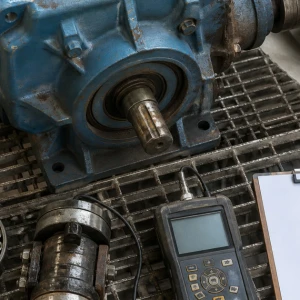
Trace the Water Path

Trace the Water Path

Separate basin leakage from overflow, splash, piping, makeup, drains, and distribution.

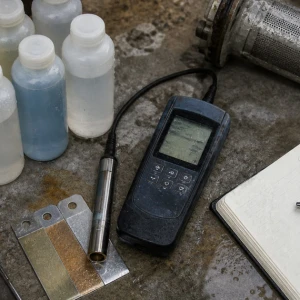
Verify Materials

Verify Materials

Identify substrate, coating, seams, gaskets, fasteners, penetrations, and support condition.

Prepare Sound Substrate

Prepare Sound Substrate

Control cleaning, edges, profile, dryness, temperature, humidity, and dust.

Apply Compatible Repair

Apply Compatible Repair

Match seal, coating, reinforcement, panel, gasket, or fastener method to evidence.

Protect Cure Window

Protect Cure Window

Record mixing, thickness, recoat, environment, cure, and refill readiness.

Fill, Test, Document

Fill, Test, Document

Verify level, makeup, drains, overflow, pumps, leaks, limits, and follow-up.

Leak Evidence

Cell, level, makeup, overflow, pumps, fans, wind, load, and water path identify the true source.

Material Baseline

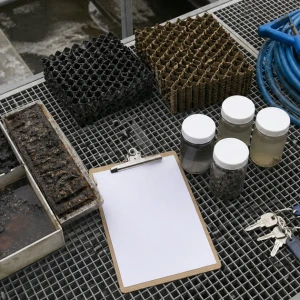
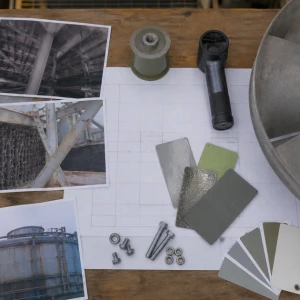
Basin metal, fiberglass, concrete, coatings, seams, fasteners, gaskets, and penetrations are identified.

Support Review

Movement, corrosion, framing, vibration, pipe load, fasteners, and hidden deterioration remain visible.

Controlled Preparation

Cleaning, sound edges, profile, dryness, temperature, humidity, dust, and product requirements align.

Commercial cooling tower basin repair begins by proving where water is leaving and why the condition developed. Wet roofing or concrete can result from a basin seam, coating defect, penetration, overflow, makeup control, splash-out, drain, piping connection, or distribution issue. ClimateService evaluates authorized Chicago tower conditions and develops mechanical repair scope while structural, environmental, treatment, and design responsibilities stay explicit.

Confirm the leak source under known conditions

Record the affected cell, water level, pumps, fans, makeup, overflow, weather, wind, load, and timing. Dry inspection, controlled fill, level marking, staged operation, photographs, and accessible tracing can distinguish a static seam leak from an operating splash or piping problem. Assumptions based only on the stain location can direct work to the wrong surface.

Identify basin material and construction

Galvanized or stainless steel, fiberglass, concrete, wood, factory coatings, field coatings, sealants, gaskets, fasteners, welded seams, bolted panels, sumps, and penetrations require different repair methods. Existing product records and manufacturer guidance should be reviewed when available. An unknown coating should not automatically receive an incompatible patch.

Inspect support and surrounding structure

Corrosion, movement, deflection, failed fasteners, damaged framing, vibration, ice, pipe loads, uneven support, and inaccessible deterioration can cause repeated basin failure. Mechanical observation can identify concerns, but qualified structural parties determine structural adequacy. Surface repair should not conceal an unresolved support problem.

Coordinate isolation and water handling

Cell availability, plant load, weather, redundant capacity, valves, pumps, drain-down, residual water, sludge, treatment chemicals, containment, discharge route, refill, and treatment restoration define the work window. Adjacent operating cells must remain protected. Temporary operation requires verified capacity and monitoring, not an unsupported promise.

Prepare the substrate to the repair system

Cleaning, removal of loose coating or corrosion, grinding, profile, edge treatment, dryness, temperature, humidity, dew point, dust control, solvent restrictions, reinforcement, primer, and manufacturer requirements affect adhesion. Preparation should extend to sound material. Simply covering moisture, scale, oil, or failed coating usually transfers the defect into the new layer.

Repair seams, panels, and penetrations deliberately

Compatible sealants, reinforced coating systems, gaskets, fasteners, plates, fiberglass repair, weld repair, or component replacement may apply. Drain, overflow, makeup, heater, level sensor, sump, and piping penetrations need particular attention. Welding and structural changes require qualified authorization, fire protection, and material-specific procedures.

Control coating thickness and cure

Mixing, batch life, application thickness, reinforcement, recoat window, temperature, humidity, ventilation, holidays, edges, corners, and full cure influence performance. Records should identify product and lot where required. Early refill can damage otherwise suitable work, while prolonged outages can affect plant continuity; both need planned timing.

Address discovered corrosion and hidden damage

Preparation may expose thinning, pinholes, perforation, failed welds, loose fasteners, cracked fiberglass, delamination, or broader coating loss. The project should establish stop points, measurements, photographs, temporary protection, specialist review, price, schedule effect, and written approval. Discovery should not be buried inside an undefined patch allowance.

Restore basin components and water controls

Strainers, suction screens, drains, overflow, makeup valves, level devices, heaters, equalizers, access panels, and nearby piping may need service or correct reinstallation. Level and overflow configuration affect apparent leakage. Treatment and filtration providers should restore their systems and confirm responsibilities after refill.

Test in stages before full operation

Inspection may include cured surfaces, seams, penetrations, dry film where applicable, static fill, marked level, makeup shutoff, drains, overflow, pumps, distribution, splash, and observation through changing operating states. Wind or full-load conditions may not be available. Deferred checks and response triggers should be written into the handoff.

Plan follow-up for the specific failure

A repaired seam may need level comparison; a coating patch may need edge and holiday observation; a penetration may need pump-state checks; a corrosion repair may need scheduled thickness or visual review. Water chemistry, cleaning, vibration, and support conditions should be coordinated because they can shorten basin repair life.

Separate emergency control from durable repair

A temporary catch, seal, water-level reduction, isolated cell, or operating restriction may protect the facility until materials, weather, access, or outage conditions support permanent work. The temporary measure should have an owner, inspection interval, water-loss threshold, treatment consideration, stop condition, and expiration. It must not be silently treated as a completed basin restoration or allowed to hide damage that continues beneath the surface.

ClimateService provides a traceable basin record

ClimateService documents detailed, location-specific field leak evidence, materials, preparation, repaired boundaries, products, cure conditions, discovered damage, photographs, tests, operating limitations, treatment coordination, monitoring, response thresholds, and recommended next work within its authorized scope. Facility staff receive a usable water-loss baseline without unsupported structural, health, or remaining-life guarantees.
Compatible Repair

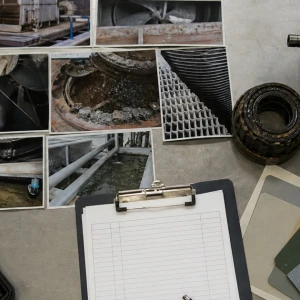
Sealants, coatings, reinforcement, panels, gaskets, fasteners, and penetrations receive correct methods.

Cure Protection

Mix, thickness, recoat, temperature, humidity, ventilation, edges, and refill timing are recorded.

Staged Testing

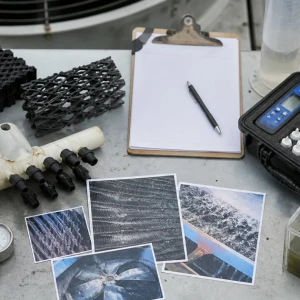
Static fill, level, makeup, drains, overflow, pumps, distribution, splash, and leaks are observed.

Targeted Follow-Up

Failure mode, chemistry, vibration, supports, monitoring, limits, and response triggers transfer.

Commercial Cooling Tower Basin Repair Questions

How do you find a leak in a commercial cooling tower basin?

The investigation can compare static and operating water levels, makeup status, overflow, drains, penetrations, seams, coatings, piping, distribution, splash, wind, pumps, fans, and affected cells. Dry inspection, controlled fill, level marking, photographs, and staged operation help trace the source. The wet area below the tower does not always identify the failed component directly.

Can a cooling tower basin be coated without replacing it?

Sometimes, when the substrate, support, remaining material, corrosion, seams, penetrations, access, preparation, compatible coating system, temperature, humidity, and cure window support repair. Severe thinning, movement, structural damage, broad delamination, or incompatible materials may require panel, basin, structural, or tower replacement. Qualified specialists should decide boundaries outside routine mechanical work.

How long must a repaired basin cure before refill?

The approved product system, film thickness, reinforcement, substrate, temperature, humidity, ventilation, and manufacturer instructions determine cure and recoat timing. A generic number should not replace job conditions. The project schedule should protect the full cure window, then use staged fill and leak observation before returning the tower to normal plant operation.

What is checked after cooling tower basin repair?

Checks may include surface condition, coating or seal boundaries, seams, penetrations, fasteners, cure, static fill, marked level, makeup shutoff, overflow, drains, strainers, pumps, distribution, splash, and leaks through available operating states. Treatment restoration, unavailable weather or load conditions, monitoring points, and responsible follow-up should also be documented.

Commercial Cooling Tower Repair

Commercial cooling tower repair connects the reported problem to tower structure, basin, fill, drift eliminators, fans, motors, drives, gearbox, water distribution, treatment, piping, and system load.

Commercial Cooling Tower Maintenance

Commercial cooling tower maintenance connects mechanical condition, water distribution, heat-transfer media, fan systems, basin operation, controls, weather, treatment, and plant records.

Commercial Cooling Tower Cleaning

Commercial cooling tower cleaning removes defined debris, sludge, fouling, or deposits under an approved method while coordinating plant operation, water treatment, access, disposal, and restoration.

Commercial Cooling Tower Restoration

Commercial cooling tower restoration rehabilitates multiple deteriorated systems to extend useful operation when tower condition, project scope, materials, downtime, and future plant plans support it.

Commercial Cooling Tower Rebuild and Replacement

Cooling tower rebuild and replacement projects align verified heat-rejection duty, physical condition, water systems, site logistics, plant continuity, controls, commissioning, and ownership goals.

Commercial Cooling Tower Fan and Motor Service

Cooling tower fan and motor service connects mechanical condition, airflow duty, electrical operation, drive components, structure, controls, access, and plant consequence before repair.

Commercial Cooling Tower Gearbox Repair

Cooling tower gearbox repair uses operating evidence, lubricant condition, vibration, alignment, connected fan and motor components, safe rigging, and staged testing to define the correct scope.

Commercial Cooling Tower Water Treatment Coordination

Cooling tower water treatment depends on a functioning mechanical water loop, reliable controls, approved chemistry and monitoring, defined responsibilities, and records that connect conditions to action.

Call us: (312) 940 6970