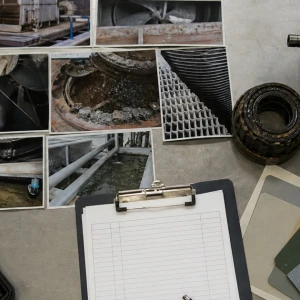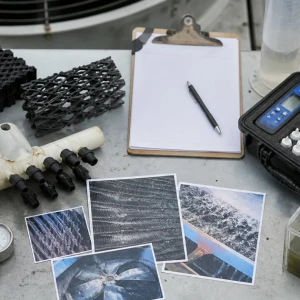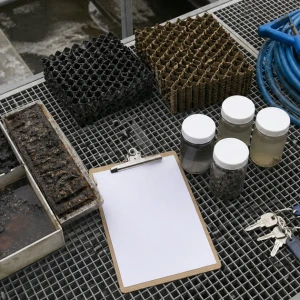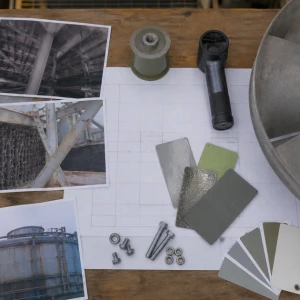


Commercial cooling tower fan and motor service protects airflow, heat rejection, mechanical integrity, and plant continuity. Noise, vibration, overheating, trips, low speed, belt dust, oil leakage, or poor capacity may involve the fan, hub, shaft, bearings, belts, couplings, gearbox, motor, drive, structure, controls, or airflow path. ClimateService investigates authorized Chicago equipment without reducing the system to a parts swap.
Define the symptom in its operating context
Record tower and cell, fan speed or stage, load, weather, water temperatures, pump status, command, alarms, vibration, noise, current, recent work, and whether the issue changes with speed or wind. A stopped fan and a tower with reduced heat rejection are not automatically the same diagnosis.
Establish safe isolation and access
Electrical energy, rotating mass, automatic commands, windmilling, elevated work, guards, access doors, ladders, platforms, confined or restricted areas, weather, adjacent cells, and water exposure require controlled procedures by responsible parties. Verification of zero energy and prevention of automatic restart are essential before contact with fan or drive components.
Inspect fan blades, hub, shaft, and clearances
Blade condition, pitch, tracking, cracks, erosion, deposits, fasteners, hub, bushing, shaft, keys, runout, tip clearance, shroud, rotation, balance, and previous repairs can affect vibration and airflow. Material-specific manufacturer limits matter. Field adjustment without the correct procedure can create structural and performance risk.
Evaluate bearings and lubrication
Bearing type, mounting, looseness, noise, temperature, grease condition, lubrication quantity and interval, seals, contamination, shaft fit, housing, alignment, and vibration trends help define work. Overgreasing can be as harmful as inadequate lubrication. A failed bearing may be the result of imbalance, misalignment, water intrusion, or structural movement.
Check belts, sheaves, couplings, and direct drives
Belt section, match, tension, wear, dust, sheave grooves, alignment, bushings, guards, couplings, inserts, fasteners, shafts, and support condition should be examined. Replacing belts without correcting worn sheaves or alignment can shorten life. Direct-drive arrangements require their own motor, bearing, mounting, and controls checks.
Assess motor and electrical operation
Nameplate, voltage, current, phase balance, insulation testing where authorized, winding and bearing temperature, terminals, moisture, grounding, heaters, rotation, starter, overload, contactor, disconnect, and variable-speed drive information can support diagnosis. Qualified electrical personnel own electrical testing and corrective work according to project boundaries.
Correlate vibration with speed and structure
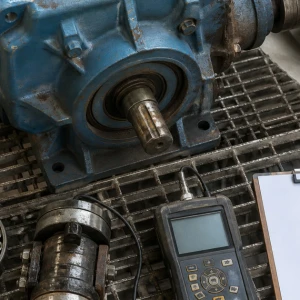
Measurement point, direction, speed, load, adjacent fans, structural resonance, looseness, imbalance, misalignment, bearing defects, blade passage, gearbox frequencies, and water or ice deposits affect interpretation. A single handheld number without operating context is weak evidence. Baselines and repeatable points provide more useful trend information.
Review controls and fan sequence
Temperature setpoints, fan staging, variable-speed commands, minimum and maximum speed, bypass, interlocks, vibration shutdown, motor protection, alarms, overrides, BAS trends, freeze sequence, and chiller demand determine operation. Mechanical repair should be tested through the intended sequence, while controls ownership and programming authorization remain clear.
Plan repair, lifting, and plant continuity
Component weights, deck access, hoists, cranes, laydown, weather, fan restraints, adjacent operation, cell isolation, spare parts, manufacturer lead time, plant load, redundancy, and restart sequence shape the job. Temporary fan or tower operation must have verified capacity and risk controls. Large hubs, shafts, and motors require qualified rigging.
Install with alignment and assembly discipline
Fits, keys, bushings, fasteners, torque, bearing mounting, shaft alignment, sheave alignment, belt tension, coupling alignment, lubrication, fan pitch, tracking, clearances, guards, wiring, grounding, and rotation should follow approved documentation. Baseline photographs and readings help separate the completed work from future wear.
Test across available operating range
Checks may include hand rotation where applicable, guards, fan rotation, speed, current, phase balance, bearing temperature, vibration, noise, belt tracking, drive operation, controls commands, alarms, water temperatures, and observation at multiple speeds. Full-load or warm-weather performance may be deferred, with monitoring points and response thresholds assigned.
Turn recurring failures into a capital decision
Repeated bearing damage, belt loss, motor overheating, fan cracks, shaft runout, structural resonance, obsolete controls, or unavailable parts may justify a larger drive renewal rather than another isolated repair. Compare the verified cause, repair history, remaining components, downtime, lifting cost, spare strategy, controls compatibility, and expected service. This helps owners fund the correct project without replacing sound equipment merely because a symptom returned.
ClimateService leaves actionable fan-drive records
ClimateService documents clearly reported actual site symptoms, operating context, inspected components, measurement locations, baseline readings, replaced parts, alignment, lubrication, fan settings, electrical or controls coordination, staged tests, unavailable conditions, operating limits, photographs, monitoring triggers, and next maintenance within its authorized scope. Facility teams receive a clear baseline for tower operations instead of an unsupported promise that a single component guarantees plant capacity.