Heating & Cooling Chicagoland

Commercial Cooling Tower Gearbox Repair

Cooling tower gearbox repair uses operating evidence, lubricant condition, vibration, alignment, connected fan and motor components, safe rigging, and staged testing to define the correct scope.

EPA 608 Type II CertifiedR-404A · R-134a · A2L
Licensed & InsuredCOI & additional insured
24/7 Emergency ResponseMinimize downtime
Commercial & FacilitiesRestaurants · retail · warehouses
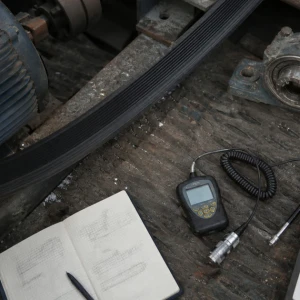
Document the Complaint

Document the Complaint

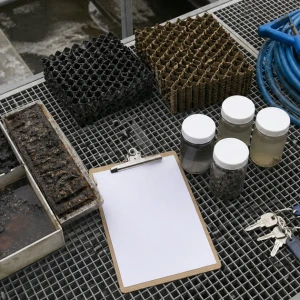
Relate noise, vibration, heat, oil, speed, alarms, weather, and plant load.

Inspect Oil and Drive

Inspect Oil and Drive

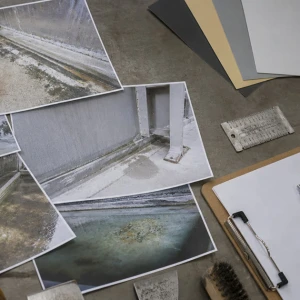
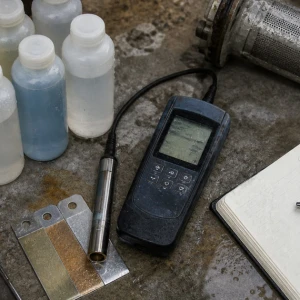
Check lubricant, seals, breathers, motor, couplings, shafts, fan, and supports.

Choose the Correct Scope

Choose the Correct Scope

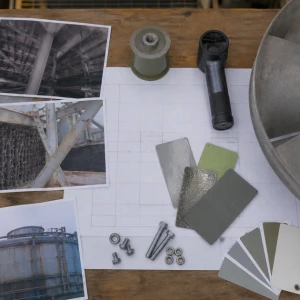
Compare external repair, shop rebuild, and replacement using verified duty and condition.

Plan the Lift

Plan the Lift

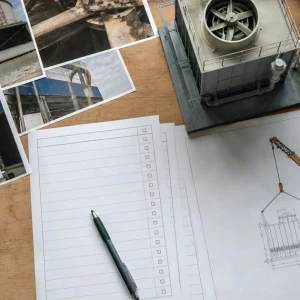
Control restraints, weights, rigging, access, deck, weather, oil, and adjacent cells.

Align and Lubricate

Align and Lubricate

Set mounts, shims, torque, shafts, couplings, clean oil, breathers, and guards.

Start, Measure, Transfer

Start, Measure, Transfer

Verify speed, current, leaks, noise, heat, vibration, controls, and follow-up.

Operating Evidence

Cell, speed, load, weather, noise, vibration, oil, temperature, alarms, and service history frame scope.

Lubricant Condition

Oil type, level, water, particles, foam, breathers, seals, plugs, sight glass, and leakage path are checked.

Connected Drive

Motor, coupling, belts, jackshaft, bearings, mounts, output shaft, fan, supports, and alignment correlate.

Repair Decision

Seals, bearings, gears, shafts, housing, ratio, duty, parts, downtime, shop scope, and warranty align.

Commercial cooling tower gearbox repair requires more than replacing a leaking or noisy reducer. Gearbox condition is connected to the motor, input shaft, coupling or belt drive, output shaft, fan hub, bearings, supports, alignment, lubrication, loading, controls, and tower structure. ClimateService evaluates authorized Chicago equipment and documents mechanical scope while specialist analysis, electrical work, rigging, and engineering ownership remain clear.

Record the operating complaint before shutdown

Identify tower and cell, gearbox model, fan speed, load, weather, water temperatures, noise, vibration, oil level, leakage, temperature, alarms, recent service, and whether the condition changes with speed or direction. If safe operation is not supportable, shutdown takes priority. Otherwise, controlled evidence before isolation can improve diagnosis.

Establish safe access and energy control

Electrical isolation, automatic fan commands, rotating inertia, windmilling, elevated access, guards, residual oil, hot surfaces, weather, adjacent fans, confined spaces, and lifting hazards require assigned procedures. The fan should be restrained as required, and zero-energy verification should occur before disconnecting shafts or opening guards.

Inspect lubricant level, condition, and leakage path

Oil type, viscosity, level, appearance, odor, contamination, water, particles, foaming, drain material, breathers, sight glass, fill and drain plugs, seals, gaskets, shaft surfaces, and housing joints provide evidence. Sampling methods and laboratory analysis may be appropriate. Adding oil without identifying consumption or contamination can hide a developing failure.

Correlate noise, temperature, and vibration

Repeatable measurement locations, directions, speed, load, ambient conditions, oil temperature, bearing frequencies, gear mesh, imbalance, misalignment, looseness, resonance, and connected equipment influence interpretation. A single vibration number cannot identify every cause. Baseline data and spectra should be handled by qualified specialists when detailed analysis is required.

Check alignment and connected components

Motor base, input coupling or sheaves, belts, jackshaft, bearings, gearbox mounting, output shaft, fan hub, keys, bushings, supports, soft foot, runout, and structural movement can load a healthy gearbox incorrectly. Alignment should be evaluated in the relevant installed condition. Replacing the reducer without correcting the driver or fan condition risks repeat damage.

Define repair, rebuild, or replacement boundaries

External seals, breathers, hardware, lubricant, couplings, bearings, gears, shafts, housing damage, ratio, service factor, rotation, mounting, manufacturer support, parts availability, downtime, and warranty affect the decision. Internal gearbox work may be performed by an approved specialty shop. A replacement must match the actual fan duty and interface requirements.

Plan removal and lifting from the tower

Gearbox and fan component weights, lifting points, deck strength, hoists, crane reach, laydown, weather, access openings, shaft restraints, adjacent cells, oil containment, roof protection, and plant continuity shape execution. Qualified rigging parties should approve the lift. Improvised handling can damage shafts, supports, tower panels, or personnel access systems.

Preserve evidence during disassembly

Mark coupling positions, shims, shaft engagement, rotation, wiring references, lubricant, fasteners, guards, alignment readings, and observed wear before removal. Protect open shafts and housings from contamination. Photographs and tagged parts help distinguish installation conditions from damage found by the repair facility and support an accountable approval process.

Reinstall with precision and cleanliness

Mounting surfaces, soft foot, shims, fasteners, torque, input and output alignment, shaft fits, keys, couplings, belts, seals, breathers, oil type and quantity, guards, fan clearance, and motor position should follow approved instructions. Clean transfer equipment matters because contaminated new lubricant can shorten component life.

Use staged startup and observation

Pre-start checks may include hand rotation where applicable, oil level, guards, fasteners, restraints removed, fan clearance, electrical readiness, and controls authorization. Startup can progress through rotation confirmation, low speed, multiple speeds, current, oil circulation, leaks, noise, temperature, vibration, fan tracking, and controlled shutdown inspection.

Verify the gearbox with the tower duty

Stable mechanical readings should be interpreted with fan speed, ambient condition, plant load, water temperatures, adjacent cell operation, and controls sequence. Full design conditions may not be available after service. The record should define deferred monitoring, oil checks, re-torque or alignment review, and response thresholds rather than declare unsupported permanent performance.

Set the first post-repair maintenance point

The initial follow-up may include oil level and appearance, leakage, breather condition, fasteners, alignment indicators, bearing or housing temperature, vibration, noise, motor current, and fan tracking. Timing should follow manufacturer and repair-shop guidance plus actual operating hours. Recording the same measurement locations and speeds creates a useful baseline for future decisions instead of restarting diagnosis after every complaint.

ClimateService transfers a traceable gearbox baseline

ClimateService documents complaint, operating evidence, lubricant findings, alignment, connected-component condition, removed and installed equipment, shop work where supplied, oil, settings, photographs, startup readings, limitations, and next maintenance within its scope. Facility teams receive clear gearbox, fan, motor, controls, rigging, and specialist boundaries for dependable follow-up.
Controlled Removal

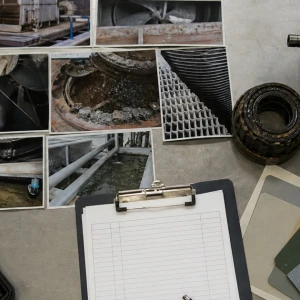
Weights, lifting points, restraints, access, deck, crane, weather, containment, and continuity are planned.

Precision Installation

Mounting, shims, torque, alignment, fits, seals, breathers, clean oil, guards, and fan clearance verify.

Staged Startup

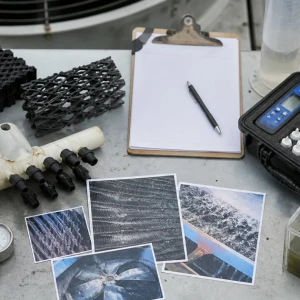
Rotation, low speed, current, oil, leaks, noise, heat, vibration, tracking, and controls are observed.

Trend Baseline

Readings, load, limits, deferred conditions, oil review, alignment, and response triggers transfer.

Commercial Cooling Tower Gearbox Repair Questions

What are common signs of cooling tower gearbox problems?

Signs may include unusual gear or bearing noise, increasing vibration, oil leakage, low oil level, overheating, contaminated or metallic lubricant, foaming, damaged breathers or seals, fan speed changes, motor current changes, shaft movement, or repeated trips. Connected fan imbalance, misalignment, supports, couplings, belts, and motor condition can create similar symptoms and should be evaluated.

Can a commercial cooling tower gearbox be rebuilt?

Many gearboxes can be rebuilt when the housing, shafts, gears, bearings, seals, ratio, service requirements, parts, specialist capability, schedule, and cost support the option. Severe housing damage, obsolete parts, inappropriate selection, or extended downtime may favor replacement. The rebuilt or replacement unit must still be aligned with the motor, fan, supports, and controls.

Why does a cooling tower gearbox keep leaking oil?

Possible causes include failed seals or gaskets, worn shaft surfaces, blocked breathers, incorrect oil level or viscosity, foaming, overheating, shaft movement, misalignment, loose hardware, housing damage, pressure, or installation geometry. Cleaning the exterior and adding oil does not correct the cause. Leakage should be traced under documented operating conditions and repaired with compatible components.

What is tested after cooling tower gearbox repair?

Testing may include oil type and level, leaks, rotation, fan clearance, motor current, gearbox noise, temperature, vibration, input and output alignment, couplings or belts, guards, fan tracking, controls commands, alarms, and operation at multiple available speeds. Follow-up oil, fastener, alignment, temperature, and vibration checks should be assigned according to the repair and manufacturer guidance.

Commercial Cooling Tower Repair

Commercial cooling tower repair connects the reported problem to tower structure, basin, fill, drift eliminators, fans, motors, drives, gearbox, water distribution, treatment, piping, and system load.

Commercial Cooling Tower Maintenance

Commercial cooling tower maintenance connects mechanical condition, water distribution, heat-transfer media, fan systems, basin operation, controls, weather, treatment, and plant records.

Commercial Cooling Tower Cleaning

Commercial cooling tower cleaning removes defined debris, sludge, fouling, or deposits under an approved method while coordinating plant operation, water treatment, access, disposal, and restoration.

Commercial Cooling Tower Restoration

Commercial cooling tower restoration rehabilitates multiple deteriorated systems to extend useful operation when tower condition, project scope, materials, downtime, and future plant plans support it.

Commercial Cooling Tower Rebuild and Replacement

Cooling tower rebuild and replacement projects align verified heat-rejection duty, physical condition, water systems, site logistics, plant continuity, controls, commissioning, and ownership goals.

Commercial Cooling Tower Basin Repair

Cooling tower basin repair traces water loss to the actual basin or connected component, verifies materials and support, controls preparation and cure, then tests the restored water path.

Commercial Cooling Tower Fan and Motor Service

Cooling tower fan and motor service connects mechanical condition, airflow duty, electrical operation, drive components, structure, controls, access, and plant consequence before repair.

Commercial Cooling Tower Water Treatment Coordination

Cooling tower water treatment depends on a functioning mechanical water loop, reliable controls, approved chemistry and monitoring, defined responsibilities, and records that connect conditions to action.

Call us: (312) 940 6970