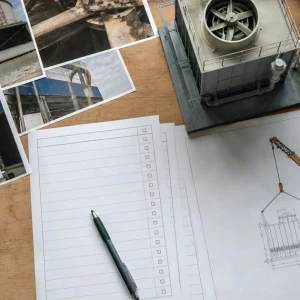


Commercial cooling tower water treatment works only when chemistry, equipment, water movement, heat-rejection operation, cleaning, and responsible oversight remain connected. ClimateService supports authorized Chicago facilities by evaluating and servicing mechanical interfaces while qualified water-treatment and water-management parties define chemistry, sampling, biological control, interpretation, and applicable program requirements. The service boundary should be clear before any guarantee is implied.
Define the tower system and responsible parties
Identify towers and cells, connected chillers or process loads, pumps, piping, basin, makeup source, blowdown, filtration, treatment feed, sampling points, controls, seasonal operation, treatment provider, facility owner, and emergency contacts. A treatment program without an accurate equipment map can miss stagnant branches, inactive cells, failed feeders, or undocumented operating changes.
Document operating and water context
Record active cells, load, weather, water temperatures, flow where available, makeup, basin level, blowdown state, conductivity control, chemical feed status, filtration, recent additions, drain-downs, cleaning, repairs, alarms, and observed deposits. Samples and readings need date, location, method, operating state, and responsible interpretation to be useful.
Inspect makeup and level control
Makeup valves, floats or electronic level devices, strainers, pressure, backflow equipment within assigned scope, basin equalization, overflow, leaks, splash, and control response affect concentration and water use. A leaking valve or unstable level can undermine treatment calculations. Plumbing, code, and backflow responsibilities should remain with qualified authorized parties.
Verify blowdown and conductivity interfaces
Blowdown valves, strainers, piping, drain routing, conductivity probes, sample lines, flow cells, controller commands, interlocks, manual overrides, and BAS points should reflect actual operation. A controller display does not prove valve flow or representative sampling. Fouled probes, closed valves, blocked lines, or incorrect locations can produce misleading control.
Review chemical feed equipment mechanically
Pumps, tubing, injection points, tanks, containment, mixers, level switches, power, leak condition, labeling, ventilation, and interlocks may need mechanical or vendor coordination. Chemistry selection, dosage, handling, safety data, and program approval belong to qualified treatment professionals. HVAC work should not improvise chemicals or concentration targets.
Connect filtration and solids removal
Side-stream separators, filters, strainers, basin sweep systems, pumps, valves, pressure readings, backwash, purge, collection, and maintenance affect suspended solids and deposition. Filtration does not replace treatment or physical cleaning. Poor flow, plugged strainers, missing media, or bypassed equipment should be documented and routed to the correct owner.
Relate deposits and corrosion to mechanical condition
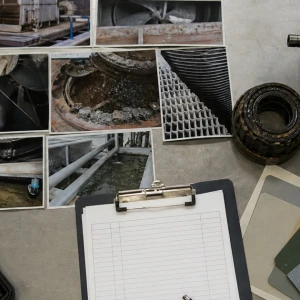
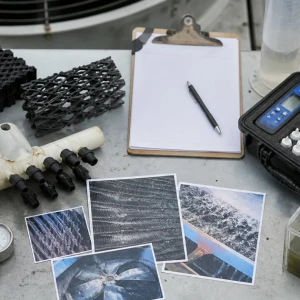
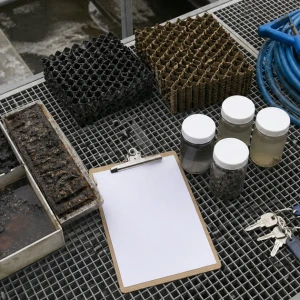
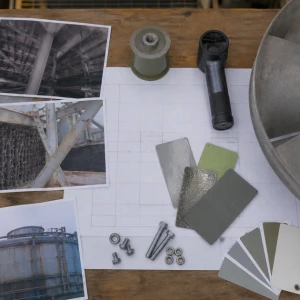
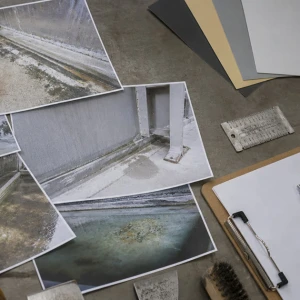
Scale, sludge, corrosion, biological material, damaged coatings, galvanized loss, pitting, plugged nozzles, fouled fill, drift eliminators, heat exchangers, strainers, and piping can influence performance and asset life. Visual evidence can initiate cleaning, repair, or specialist analysis, but it does not by itself establish chemistry, organism, exposure, or compliance conclusions.
Coordinate cleaning and disinfection distinctly
Mechanical cleaning removes defined physical material. Chemical cleaning, descaling, and disinfection require approved methods, concentrations, contact, monitoring, neutralization, handling, sampling, disposal, and responsible oversight. Projects should define isolation, aerosols, adjacent intakes, drain routes, refill, treatment restoration, and verification without presenting one activity as proof of another.
Plan seasonal shutdown and startup
Drain-down, layup, freeze protection, heaters, stagnant water, cleaning, repairs, inspection, refill, treatment startup, sampling, controls, pumps, distribution, and staged fan operation need a sequence. Seasonal towers can deteriorate while idle. The plan should identify what remains wet, who monitors it, and which evidence is required before returning to service.
Respond to abnormal findings through an owned plan
Unexpected readings, visible growth, severe corrosion, treatment feed failure, loss of blowdown, overflowing basin, aerosol concern, illness report, or water-management deviation should be routed immediately to authorized responsible parties and site procedures. ClimateService can support mechanical isolation or correction within scope but does not replace health, legal, laboratory, or regulatory decisions.
Maintain records that connect readings to action
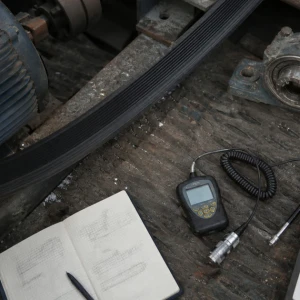
Logs should identify location, date, time, operating state, instrument or method, responsible person, results, limits supplied by the program owner, corrective action, mechanical work, follow-up, and closure. Blank gaps, unlabeled samples, copied readings, and disconnected contractor reports weaken decisions. Records should be retained according to the facility's approved program.
Include treatment interfaces in equipment projects
Tower, pump, chiller, piping, controls, or basin projects can change system volume, materials, flow, bleed, heat load, stagnation, and sampling conditions. The treatment provider should receive advance scope and startup timing, while the mechanical team receives isolation, refill, cleaning, and protection requirements. Coordinated change records prevent a successful equipment project from unintentionally disrupting the approved water program.
ClimateService supports a dependable mechanical handoff
ClimateService documents inspected mechanical interfaces, observed conditions, operating context, repairs, cleaning coordination, restored equipment, tests, photographs, limitations, and recommendations within its scope. Treatment providers and facility leaders retain chemistry and program decisions. This separation supports accountable collaboration without artificial promises of health, compliance, corrosion, or performance outcomes.