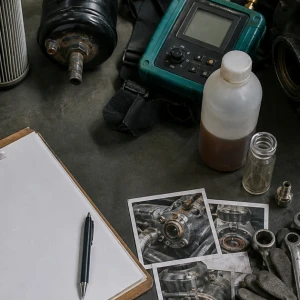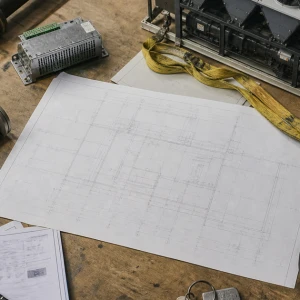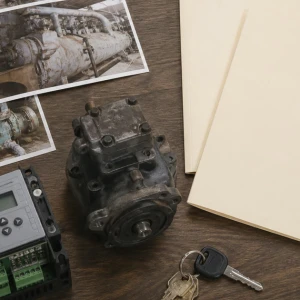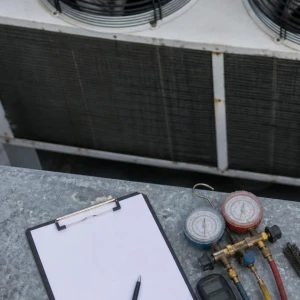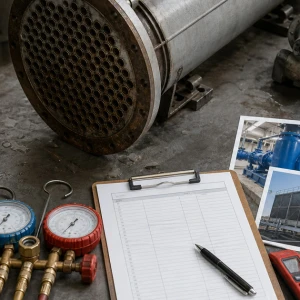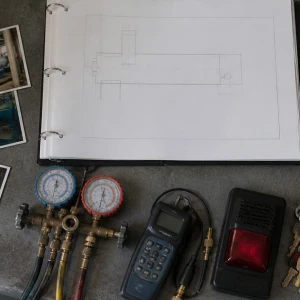


Commercial chiller repair requires more than responding to one alarm. Chiller operation depends on refrigeration components, chilled-water flow, condenser or ambient heat rejection, electrical power, controls, safeties, load, and supporting equipment. ClimateService investigates authorized chiller problems in Chicago facilities with evidence-based steps, clear operating limits, and documented correction rather than replacing parts by symptom alone.
Define the reported failure and business consequence
Identify affected equipment and spaces, alarm or symptom, timing, current operating state, recent changes, weather, load, redundancy, acceptable outage, and any temporary measures. No cooling, low capacity, repeated trip, leak, noise, unstable temperature, high pressure, low flow, or controls communication may require different paths. Facility consequence determines escalation and continuity planning.
Preserve operating evidence before resetting faults
Alarm history, controller status, trends, temperatures, pressures, electrical values, valve positions, pump and fan state, setpoints, stages, and operator observations can disappear after reset. Safe restoration may be necessary, but available evidence should be captured first. Repeated resetting without understanding the safety can cause damage or hide the failure pattern.
Verify water flow and heat-transfer conditions
Chilled-water and condenser-water systems may involve pumps, strainers, valves, bypasses, coils, towers, flow switches, differential pressure, water treatment, air, fouling, and balancing. Low or unstable flow can create chiller alarms and poor capacity. Readings should be interpreted with the system configuration rather than used as isolated universal thresholds.
Evaluate refrigeration components within equipment scope
Compressors, refrigerant circuits, evaporators, condensers, expansion devices, oil systems, sensors, safeties, and factory controls vary by chiller type and manufacturer. Leakage, abnormal pressures or temperatures, oil concerns, contamination, and component failure require equipment-specific procedures and qualified handling. Refrigerant work must follow applicable responsibilities and documentation.
Check electrical power and driven components
Voltage, phase, current, starters, contactors, drives, motors, wiring, terminals, grounding, control power, sensors, and protective devices can affect operation. Electrical conditions may be cause, result, or an unrelated site issue. Unsafe conditions require isolation and qualified escalation. Energized testing is performed only within authorization and safe work practices.
Controls evidence must match field response
Schedules, enable commands, setpoints, stages, valves, pumps, tower commands, safeties, alarms, network points, overrides, and feedback should be correlated. A BAS command may not reach the device; a displayed value may not represent actual condition. Point verification, programming, graphics, and third-party integration responsibilities should remain explicit.
Air-cooled and water-cooled systems follow different paths
Air-cooled chillers depend on condenser coils, fans, ambient conditions, clearances, and airflow. Water-cooled chillers depend on condenser water, pumps, towers, treatment, strainers, and plant sequencing. The broad repair process routes subtype-specific evidence correctly without allowing a chiller page to absorb cooling-tower repair ownership.
Root cause may extend beyond the failed component
A damaged sensor, contactor, compressor, fan, drive, valve, or pump can be the immediate failure, but recurring stress may involve flow, fouling, controls, voltage, staging, load, maintenance, or installation conditions. The repair record should distinguish corrective work from contributing conditions and identify which related actions are included, deferred, or assigned elsewhere.
Repair options need realistic parts and downtime context
Component availability, factory support, refrigerant, access, rigging, specialist labor, controls, water-side work, weather, and testing influence restoration. A temporary stabilization may be possible, but it should state remaining risk and review trigger. Large repairs may route into condition assessment, modernization, or replacement planning without turning this page into a capital-planning owner.
Testing confirms safe and useful operation
After correction, testing may include leak checks, electrical condition, flow dependencies, rotation, safeties, operating modes, temperatures, pressures, staging, controls response, abnormal noise, and observation under available load. The record should distinguish demonstrated operation from modes or capacity that weather and building conditions did not permit.
ClimateService leaves an actionable repair record
ClimateService documents the reported condition, tests, readings, findings, repaired components, open contributors, operating limits, follow-up monitoring, and recommended maintenance within its scope. Facility staff receive a clear status and escalation path. Where design, water treatment, controls programming, balancing, tower work, or capital decisions belong elsewhere, the handoff identifies those responsibilities.
Post-repair monitoring closes intermittent uncertainty
Some chiller problems appear only at a particular ambient condition, building load, stage transition, schedule, or condenser-water temperature. When the complete condition cannot be reproduced safely, the repair plan can identify trends, alarms, readings, inspection points, and a review period. Monitoring should have an owner and response threshold rather than continue as an open-ended substitute for correction.
If the symptom returns, the next visit can compare current evidence with the repair baseline and avoid restarting from memory. This approach also distinguishes a recurrence of the original cause from a new fault in another component or supporting system.