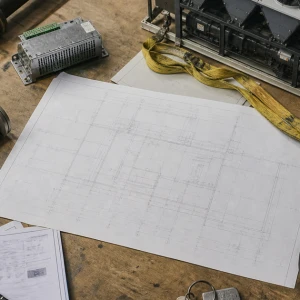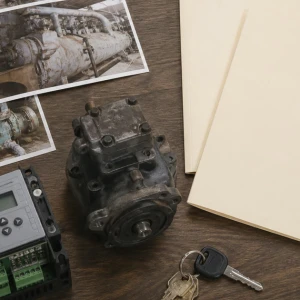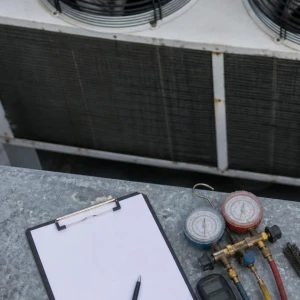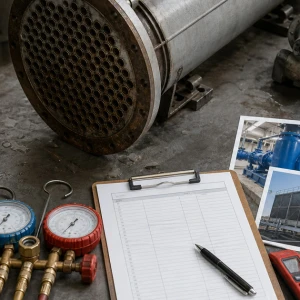


Medical-equipment chiller service addresses cooling equipment dedicated to imaging, laboratory, treatment, or other healthcare technology where temperature stability and planned coordination can carry significant operational consequence. ClimateService works within authorized HVAC and chiller scope, correlating refrigeration, water flow, heat rejection, controls, alarms, and facility conditions without claiming responsibility for the medical equipment, clinical decisions, or unsupported uptime guarantees.
Identify the cooled equipment and interface boundary
Record the chiller, served medical or imaging equipment, intermediate heat exchanger where used, water or glycol loop, temperatures, pumps, controls, alarms, redundancy, operating schedule, access, and responsible contacts. Manufacturer and facility requirements should define the interface. The HVAC scope should not assume internal medical-equipment service or warranty authority.
Define consequence and communication before work
Facility engineering, clinical operations, equipment vendor, security, infection-control or other authorized stakeholders may need coordination depending on location and task. Establish affected equipment, acceptable outage, notification path, work window, restoration criteria, escalation, and who can approve shutdown. ClimateService provides factual HVAC impacts through authorized contacts.
Preserve alarms and operating evidence
Chiller and equipment-interface alarms, trends, temperatures, flow, pressure, pump status, refrigerant information, electrical values, controls commands, ambient or condenser conditions, recent changes, and operator observations can support diagnosis. Repeated resets may remove evidence or override safeties. Records should capture date, load, operating mode, and any temporary condition.
Verify process-water or glycol-loop condition
Pumps, strainers, valves, bypasses, flow proof, expansion, air, glycol concentration where applicable, treatment, temperature, pressure, hoses, heat exchangers, and leaks affect cooling. Materials and fluid requirements may be equipment-specific. Sampling, chemistry, flushing, disinfection, balancing, and medical-equipment-side work remain separate unless authorized.
Evaluate refrigeration and heat rejection
Compressors, refrigerant circuits, evaporators, condensers, expansion components, oil systems, fans or condenser-water equipment, sensors, safeties, and factory controls require chiller-specific review. Air-cooled units depend on ambient airflow; water-cooled units depend on condenser-water and tower conditions. Supporting-system findings should retain distinct ownership.
Coordinate controls and alarm handoffs
Enable commands, setpoints, pump interlocks, flow proof, temperature limits, stages, safeties, remote alarms, network points, dry contacts, trends, overrides, and operator access may cross vendor systems. The scope should identify which controller is authoritative and who verifies each handoff. A visible alarm point does not prove complete response or notification workflow.
Plan continuity without unsupported promises
Redundant chillers, pumps, alternate loops, temporary chillers, storage, operating restrictions, rescheduling, or vendor procedures may be considered by responsible facility parties. Temporary cooling needs verified capacity, fluid, power, connections, controls, monitoring, maintenance, security, and removal. No solution should be described as zero-downtime unless the specific design and procedure support it.
Control access and work conditions
Healthcare properties may have security, clean-area, noise, dust, ceiling, roof, delivery, chemical, hot-work, waste, or scheduling requirements. Facility representatives establish applicable rules. Technicians need safe access to chiller panels, pumps, valves, strainers, sensors, and disconnects while avoiding unauthorized contact with medical equipment and occupied clinical spaces.
Repair and maintenance must remain traceable
Document reported symptom, tests, readings, completed tasks, changed parts, refrigerant or fluid work, settings, alarms, supporting conditions, and open contributors. A failed sensor or pump may be corrected while another control, water-side, vendor, or facility issue remains. The handoff should distinguish safe operation, limited operation, monitoring, and unavailable evidence.
Testing follows the approved restoration sequence
Flow, temperatures, pressures, leaks, electrical condition, safeties, pump interlocks, stages, alarms, controls response, abnormal noise, and available-load operation may be checked within scope. Medical-equipment readiness and clinical release belong to authorized facility or vendor parties. ClimateService reports chiller status without declaring unrelated systems accepted.
ClimateService supports disciplined equipment-cooling ownership
ClimateService provides an HVAC record tied to the correct chiller and interface: conditions, observations, repairs, maintenance, controls handoffs, operating limits, monitoring, and next service. Facility teams receive a clear escalation path for chiller, controls, water-side, equipment-vendor, and capital responsibilities. This protects coordination without making medical, compliance, or uptime claims beyond evidence.
Preventive service should align with vendor and facility plans
Manufacturer tasks, chiller runtime, fluid condition, filters or strainers, pumps, alarms, controls, redundancy tests, seasonal exposure, and the medical-equipment schedule may affect maintenance timing. The HVAC plan should identify what can be completed during routine operation and what requires an approved equipment outage. Vendor requirements and facility procedures remain authoritative within their roles.
After service, trend review can confirm temperature stability, flow, pump response, stages, alarms, and overrides under normal use when authorized data is available. Any change outside the chiller interface should be routed to the facility or equipment provider instead of being silently adjusted by the HVAC contractor.
The completed record should remain available to authorized facility staff for the next service event.