

Commercial boiler installation begins after the facility has selected a boiler-based project direction. ClimateService coordinates authorized Chicago installations across field verification, equipment, access, rigging, foundations, piping, pumps, venting, combustion air, fuel or power, electrical work, controls, drainage, insulation, startup, commissioning, and operator handoff. Early alternatives and capital approval remain with planning owners rather than being hidden inside installation.
Confirm the approved project basis
Selected equipment, design responsibility, heating load basis, redundancy intent, fuel or electrical source, hydronic arrangement, temperatures, pressure class, venting concept, controls narrative, drawings, permits, schedule, and acceptance criteria are reviewed. Installation does not silently redesign missing engineering. Conflicts and unresolved selections are surfaced before materials, shutdowns, or demolition make correction expensive.
Survey the existing mechanical room
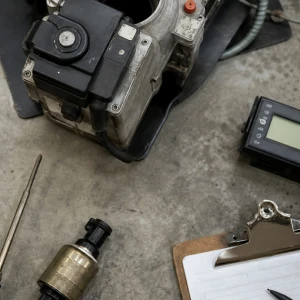
Dimensions, structure, doors, stairs, corridors, lifts, housekeeping pads, drains, ventilation, combustion air, electrical clearances, lighting, storage, egress, asbestos or hazardous-material records, adjacent equipment, and service access are documented. Drawings can differ from field conditions. The survey confirms whether the boiler can enter, be assembled, maintained, and eventually removed without trapping critical components.
Plan shutdowns and temporary heat needs
Heating season, occupied use, freeze exposure, domestic or process interfaces, shared utilities, isolation valves, drain-down reach, refill time, controls outage, electrical work, and startup duration define the cutover. Temporary heat is coordinated only when required and authorized. The schedule includes decision points for weather, failed isolation, concealed damage, or unavailable utilities.
Coordinate equipment placement and rigging
Shipping sections, weights, lifting points, route protection, cranes or material handling, floor capacity, pad dimensions, anchorage, vibration isolation, seismic requirements where specified, manufacturer clearances, door swing, tube or heat-exchanger access, burner service, and control-panel access shape placement. Rigging follows an approved plan and keeps occupied routes protected.
Build serviceable hydronic connections
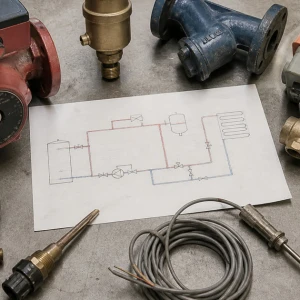
Supply and return headers, primary and secondary relationships, pumps, air and dirt separation, expansion connection, strainers, check valves, isolation, balancing, bypasses, drains, vents, relief discharge, gauges, sensors, supports, welding or joining procedures, flushing points, and insulation are coordinated. Valve orientation and access are checked before crowded piping makes routine service difficult.
Complete venting and combustion-air interfaces
Fuel-fired installations require approved vent materials, slope, supports, terminations, condensate handling, joints, combustion-air path, room ventilation, fuel train interfaces, and manufacturer clearances. Conditions are checked against the project basis and applicable requirements. No field shortcut replaces designed venting, and concealed routes are inspected before closure where the project requires it.
Coordinate power, safeties, and controls
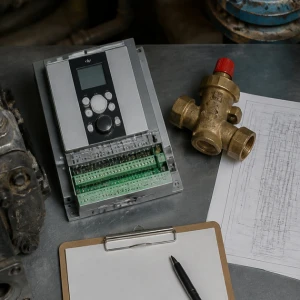
Disconnects, feeders, grounding, control power, pumps, emergency shutdown, safeties, proving devices, sensors, actuators, local controllers, lead-lag sequence, BAS points, alarm contacts, and network responsibilities are mapped. Point names and addresses are less important than verified physical response. Controls/BAS owns supervisory programming, but installation must deliver complete field interfaces and documentation.
Manage condensate, drains, and water preparation
Condensate neutralization where applicable, floor drains, indirect waste, relief discharge, boiler drains, fill, backflow interfaces, makeup, treatment responsibilities, flushing, pressure testing, air removal, and leak inspection are planned. Water introduced during construction can carry debris. The handoff records cleaning and preparation steps rather than assuming a newly filled loop is ready.
Control fabrication and installation quality
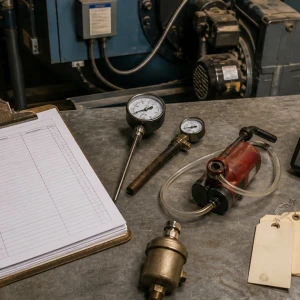
Equipment model and orientation, material, joint quality, supports, slopes, valve tags, sensor wells, access, wiring termination, torque where specified, labeling, insulation, penetration closure, housekeeping, and drawing changes receive staged checks. Concealed work is reviewed before closure. Deviations are approved and recorded, not left for the startup technician to discover.
Start the boiler through a documented procedure
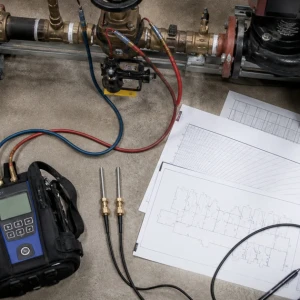
Utilities, valve lineup, fill pressure, expansion, air removal, pumps, venting, drains, fuel or power, safeties, controller configuration, enable, ignition or heat source, staging, supply and return temperatures, alarms, and leaks are observed. Manufacturer startup requirements and qualified responsibilities are respected. Initial firing is only one step in commissioning.
Commission plant and distribution response
Testing can include lead-lag rotation, pump and valve response, temperature control, reset, stage transitions, safeties, alarm communication, shutdown, restart, representative hydronic branches, and available heating load. Balancing and seasonal load tests may require later work. The acceptance record states tested modes, unresolved controls, load limits, and deferred verification.
Transfer an operable installation
ClimateService assembles equipment data, approved changes, photographs, test records, startup documentation, settings, valve lineup, controls points, alarms, warranty requirements, training, maintenance access, spare parts, open items, responsible owners, and due dates. The final walk-through confirms normal indications, isolation locations, emergency contacts, documentation storage, operator questions, spare-part locations, and the evidence required to close deferred load tests. Facility staff receive a plant they can confidently identify, isolate, and operate, not only installed equipment. Closeout also routes future PM, seasonal startup, and replacement-planning needs.