Heating & Cooling Chicagoland

Commercial Boiler Maintenance

Commercial boiler maintenance builds a repeatable operating baseline, finds deterioration before a lockout, and turns each visit into prioritized facility action.

EPA 608 Type II CertifiedR-404A · R-134a · A2L
Licensed & InsuredCOI & additional insured
24/7 Emergency ResponseMinimize downtime
Commercial & FacilitiesRestaurants · retail · warehouses
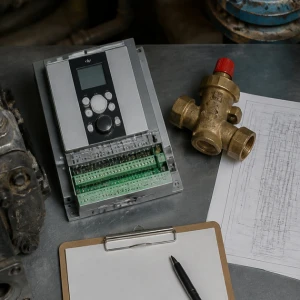
Review the History

Review the History

Use asset records, alarms, run context, water additions, prior repairs, trends, requirements, and open deficiencies to set scope.

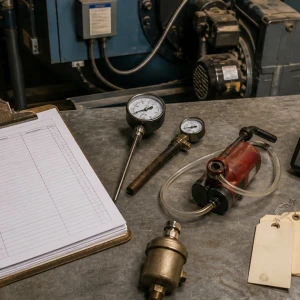
Inspect and Clean

Inspect and Clean

Review cabinet, piping, vents, drains, leakage, corrosion, access, ignition parts, strainers, condensate, and deposits.

Test Safe Operation

Test Safe Operation

Check approved combustion and venting conditions, limits, proving devices, interlocks, alarms, shutdown, response, and restoration.

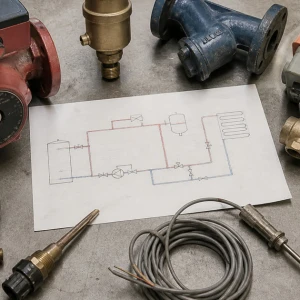
Check Water Movement

Check Water Movement

Observe pumps, strainers, expansion, air removal, pressure, temperatures, makeup, vibration, current, and circulation evidence.

Prioritize Findings

Prioritize Findings

Separate safety, outage risk, near-term repair, planned improvement, monitoring, parts, access, season, and shutdown dependencies.

Record the Baseline

Record the Baseline

Capture enable, staging, pumps, pressure, temperatures, alarms, sound, vibration, shutdown, restart, load limits, and next due work.

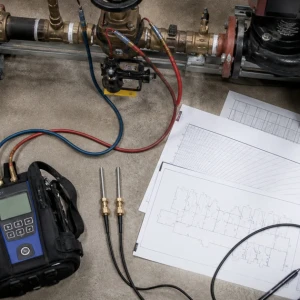
History-Based Scope

Asset, configuration, records, hours, alarms, water additions, repairs, complaints, trends, requirements, parts, instruments, and open deficiencies shape maintenance.

Condition and Cleaning

Cabinet, seals, wiring, piping, vents, drains, corrosion, leakage, air path, ignition parts, strainers, condensate, deposits, and access receive attention.

Combustion and Venting

Air, venting, draft, ignition, safeguard, burner condition, condensate, instruments, load, manufacturer criteria, and specialist boundaries remain documented.

Safety Exercise

Limits, low-water protection, proving, safeguard, relief observations, interlocks, shutdown, alarms, test basis, response, restoration, and exceptions are recorded.

Commercial boiler maintenance is planned work that establishes condition, operating evidence, and prioritized next actions before failure controls the schedule. ClimateService maintains authorized Chicago boiler plants across equipment identity, access, cleanliness, ignition or heat source, safeties, heat exchange, pumps, pressure, controls, water-side observations, records, and restart. Broad PM programs and repair projects retain separate ownership.

Build the maintenance visit from asset history

Model, configuration, age, service records, run hours where available, fault history, water additions, prior repairs, recurring complaints, fuel or energy changes, control trends, and open deficiencies shape the scope. A copied checklist cannot reflect every plant. The plan identifies manufacturer requirements, facility standards, shutdown needs, parts, instruments, and conditions required for meaningful testing.

Coordinate access and an approved operating window

Mechanical-room access, security, occupied heating demand, lead-lag status, redundant capacity, isolation, lockout, fuel or electrical shutdown, cool-down, floor and equipment protection, and restart communication are confirmed. Maintenance should not create an avoidable outage. Deferred tasks are recorded when load, weather, access, or plant configuration prevents safe execution.

Inspect boiler and immediate plant condition

Cabinet, panels, seals, wiring, piping, valves, vents, drains, insulation, supports, corrosion, leakage, water marks, combustion-air path, housekeeping, and service clearance receive a visual review. Small changes between visits matter. Photographs and notes establish whether deterioration is stable, active, or urgent and whether another trade owns the surrounding condition.

Clean components that affect reliable operation

Accessible burner or heat-source components, ignition parts, flame-sensing surfaces, strainers, filters, condensate components, combustion-air openings, drains, and manufacturer-defined heat-transfer surfaces are cleaned as applicable. Cleaning is not used to conceal damage. Removed debris, unusual deposits, corrosion, moisture, or repeated fouling become diagnostic evidence and a follow-up route.

Evaluate combustion and venting within scope

For fuel-fired equipment, combustion air, venting, draft, ignition, flame safeguard, visible burner condition, condensate, and instrument readings are checked under approved procedures and operating load. Results are tied to configuration and manufacturer criteria rather than generic targets. Conditions requiring specialized combustion work, vent repair, utility coordination, or shutdown are explicitly assigned.

Exercise safeties and operating limits

Temperature and pressure limits, low-water protection where present, proving devices, flame safeguard, relief observations, interlocks, emergency shutdown, alarms, and controller responses are tested only through approved methods. A displayed normal status is not proof. The record states the test basis, response, restoration, inaccessible devices, and any safety requiring immediate correction.

Review pumps and water-side behavior

Pump condition, seals, bearings where serviceable, vibration, current, rotation, differential pressure where relevant, strainers, check valves, expansion behavior, air removal, fill and operating pressure, supply and return temperatures, and makeup activity influence reliability. Maintenance identifies abnormal circulation without pretending to complete a full hydronic balance during a boiler PM visit.

Check controls, staging, and plant response

Local sensors, setpoints, schedules, reset, staging, lead-lag rotation, pump commands, valve response, proof, alarms, and BAS interfaces are compared with physical operation. Maintenance records unauthorized overrides and stale alarms. Controls programming or network work moves to Controls/BAS, while repair items become specific corrective work rather than disappearing inside a checklist.

Document water-side warning signs responsibly

Leaks, corrosion, frequent makeup, unusual discharge, fouling indicators, air, unstable pressure, blocked strainers, dirty separators, and treatment records can signal water-side risk. The technician records observations and available readings without inventing chemistry conclusions. Sampling, treatment, cleaning, or engineering work is routed to the responsible specialist with the affected equipment identified.

Prioritize deficiencies by consequence

Findings are separated into immediate safety or outage risk, near-term reliability work, planned improvement, monitoring, and informational condition. Parts availability, redundancy, season, shutdown reach, access, and interaction with pumps or controls affect priority. Each item receives an accountable owner, practical due window, and documented closure evidence. This keeps minor cosmetic issues from competing with a leaking component, unreliable safety, or recurring lockout.

Restart and compare with the baseline

Valve lineup, water pressure, pumps, utilities, venting, drains, controls, enable, ignition, staging, supply and return temperatures, alarms, sound, vibration, shutdown, and restart are observed after maintenance. Results are compared with previous records where available. Limited load is identified so a normal mild-weather cycle is not presented as full-season proof.

Deliver a maintenance record that drives action

ClimateService documents asset, scope, access, condition, cleaning, combustion and venting observations, safeties, pumps, pressure, controls, water-side signs, measurements, deficiencies, parts, completed work, restart, limitations, priorities, and next due actions. The handoff also records deferred tasks, unavailable load conditions, required shutdown reach, accountable owners, expected evidence for closure, and the next practical service window. Facility teams gain continuity between visits and a clear route into repair, balancing, startup, or replacement.
Pumps and Pressure

Pumps, seals, vibration, current, strainers, checks, expansion, air removal, fill and operating pressure, temperatures, makeup, and circulation evidence are reviewed.

Controls and Staging

Sensors, setpoints, schedules, reset, lead-lag, pump commands, valves, proof, alarms, overrides, BAS interfaces, and physical response support reliability.

Prioritized Deficiencies

Safety, outage risk, near-term repair, planned improvement, monitoring, season, redundancy, access, parts, and shutdown reach determine next actions.

Baseline Restart

Valves, pressure, pumps, utilities, venting, drains, enable, ignition, staging, temperatures, alarms, sound, vibration, shutdown, restart, and load close service.

Commercial Boiler Maintenance Questions

What is included in commercial boiler maintenance?

Scope may include asset and history review, access, visual condition, cleaning, ignition or heat-source components, combustion and venting checks where applicable, safeties, pumps, pressure, strainers, controls, staging, condensate, water-side observations, alarms, shutdown, restart, records, and prioritized deficiencies. Exact tasks follow equipment requirements, authorization, load, access, and facility standards.

Is boiler maintenance the same as a commercial HVAC maintenance program?

No. Boiler maintenance is equipment-family work focused on the boiler and immediate plant dependencies. A broader HVAC maintenance program coordinates multiple systems, schedules, assets, documentation, and facility priorities. The two should link: boiler findings can become program actions, while the program preserves timing and accountability without replacing equipment-specific procedures.

Can boiler maintenance identify hydronic loop problems?

It can identify warning signs such as abnormal pump behavior, unstable pressure, air, dirty strainers, unusual supply and return temperatures, frequent makeup, or poor circulation. A boiler PM visit does not automatically provide full loop balancing. When distribution is primary, the findings route to hydronic-system or balancing service with the observed evidence preserved.

How does boiler maintenance reduce repeat failures?

A consistent record connects fault history, condition changes, cleaning findings, combustion or venting observations, safety tests, pump and pressure behavior, controls, water-side warnings, and restart readings across visits. Deficiencies receive owners and priorities instead of disappearing in notes. That baseline helps facility teams schedule corrective work before the same condition produces another lockout.

Commercial Boiler Repair

Commercial boiler repair identifies the confirmed failure, protects the facility, corrects authorized boiler and immediate plant faults, and proves a stable restart.

Commercial Boiler Installation

Commercial boiler installation turns an approved heating concept into a coordinated plant that can be accessed, started, tested, documented, and operated.

Commercial Boiler Replacement and Upgrade

Commercial boiler replacement turns a confirmed end-of-life or modernization decision into a controlled changeover that preserves heat, access, serviceability, and proof.

Commercial Hydronic Heating Systems Service

Commercial hydronic heating service follows a water-side complaint through generation, circulation, distribution, terminal heat transfer, controls, and occupied results.

Commercial Hydronic Balancing and Loop Service

Commercial hydronic balancing measures how heating water moves, corrects confirmed distribution problems, and documents the final operating configuration.

Commercial Boiler Startup, Shutdown and Seasonal Layup

Boiler-specific startup, shutdown, restart, and layup protect equipment through seasonal transitions while keeping every operating assumption and deficiency visible.

Call us: (312) 940 6970