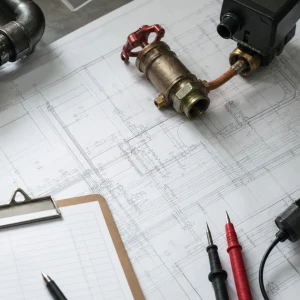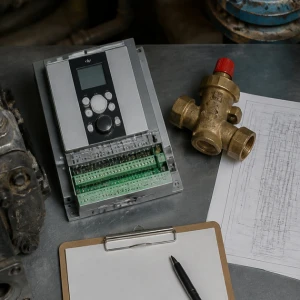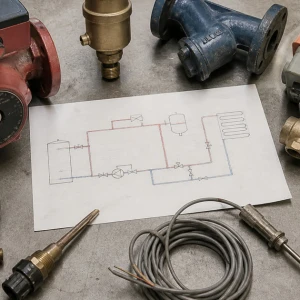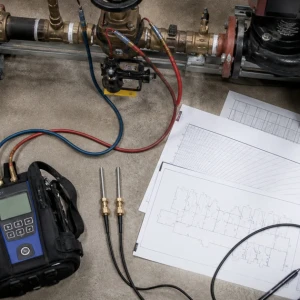


Commercial boiler startup, shutdown, restart, and seasonal layup are operating procedures for a known boiler plant, not generic fall or spring HVAC maintenance. ClimateService supports authorized Chicago facilities by preparing equipment, water-side components, pumps, venting, utilities, controls, safeties, logs, and representative heating response for each transition. Repair, maintenance, broad seasonal readiness, and replacement retain their own owners when findings expand.
Choose the correct operating transition
First seasonal startup, restart after service, restart after an outage, controlled shutdown, short standby, wet layup, dry layup where applicable, and emergency isolation have different requirements. Equipment design, manufacturer guidance, facility procedure, water-treatment responsibility, weather, freeze exposure, outage length, and planned work determine the method. One generic checklist is not used for every plant.
Review history before changing plant state
Previous shutdown notes, unresolved deficiencies, alarms, repairs, water additions, treatment records, valve lineup, control overrides, seasonal settings, pump history, vent work, utility interruptions, and known leaks are reviewed. Startup should not reactivate an unresolved safety or water-side problem. Shutdown should preserve evidence and leave a clear record for the next operator.
Inspect equipment before seasonal startup
Boiler cabinet, heat-source components, wiring, piping, valves, vents, drains, condensate, insulation, supports, combustion-air path, housekeeping, leakage, corrosion, animal or debris intrusion, and service access are observed. Protective covers and temporary closures are removed deliberately. Findings that prevent safe operation receive a hold point rather than being pushed into the startup sequence.
Prepare the hydronic side for operation
Fill and static pressure, expansion, air removal, pumps, strainers, checks, isolation, bypasses, relief discharge, makeup, drains, visible water condition, treatment coordination, freeze protection where specified, and supply-return path are confirmed. Valve positions are compared with approved lineup. Rapid filling or repeated venting is not used to conceal leakage, failed expansion, or trapped air.
Confirm venting, combustion air, and utilities
Fuel or electrical availability, disconnects, grounding, fuel-train interfaces, vent supports and terminations, combustion-air openings, room ventilation, condensate route, drains, and utility pressures or status are checked within scope. Seasonal obstructions and closed louvers can create failure even when the boiler itself is unchanged. Required specialists or utility actions are identified before enable.
Restore controls and safeties from known settings
Local setpoints, schedules, reset, staging, lead-lag order, pump commands, valve commands, sensors, proving devices, limits, emergency shutdown, alarms, BAS points, and temporary overrides are reviewed. Seasonal values are restored from approved records rather than memory. Controls/BAS owns programming changes, while startup verifies field response and records outstanding communication faults.
Start pumps and establish circulation first
Pump rotation, speed, sound, vibration, current, seals, checks, differential pressure where relevant, strainers, air removal, pressure stability, valve lineup, and visible flow evidence are observed before sustained heat production. A boiler can overheat or trip when circulation is missing. Shared headers and parallel pumps require the active configuration to be documented.
Enable heat through a controlled sequence
Call for heat, safeties, proving, ignition or heat source, staging, supply and return temperatures, pressure, pumps, venting, condensate, alarms, sound, leakage, and shutdown response are observed. Initial cycles may release air or expose dormant leaks. The technician stops and investigates unstable conditions rather than forcing the plant toward normal temperature.
Verify representative seasonal delivery
Available load, outdoor conditions, occupied schedule, loop temperatures, delta-T, pump response, valves, representative branches, terminal heat, controls, alarms, and recovery are reviewed. Early-season mild weather may limit proof. The handoff names which modes were tested and which require trending or return verification under colder conditions.
Shut down without abandoning the plant
Load reduction, staged disable, pump run-on where required, cooling period, utilities, valve positions, pressure, leakage, drains, venting, condensate, controls, alarms, and emergency availability are addressed. Shutdown scope also identifies which shared systems remain active. Tags and records prevent another operator from assuming an intentionally isolated component has failed.
Apply and monitor the approved layup method
Layup follows equipment and facility requirements for water-side condition, drainage or fill state, corrosion protection responsibility, vent openings, freeze exposure, fuel or electrical isolation, pumps, controls, covers, inspection frequency, and restart preparation. ClimateService does not invent chemical treatment instructions. The responsible water-treatment or manufacturer party is named where specialized decisions are required.
Transfer a seasonal operating record
ClimateService documents transition type, equipment identity, history, preconditions, valve lineup, pressure, pumps, venting, utilities, controls, safeties, alarms, temperatures, representative delivery, shutdown state, layup method, tags, readings, deficiencies, limitations, follow-up owners, and next inspection or restart date. The record also identifies temporary settings, removed protections, unavailable load tests, inspection frequency, and the authorization required before another operator changes plant state. Facility teams receive a repeatable procedure instead of relying on individual memory.