Heating & Cooling Chicagoland

Commercial Manufacturing Facility HVAC Services

Manufacturing HVAC service connects worker-comfort and building systems with production schedules, internal heat, dust or exhaust conditions, access, and process boundaries.

EPA 608 Type II CertifiedR-404A · R-134a · A2L
Licensed & InsuredCOI & additional insured
24/7 Emergency ResponseMinimize downtime
Commercial & FacilitiesRestaurants · retail · warehouses
Record Production State

Record Production State

Capture zones, line status, shift, occupancy, machines, recent changes, doors, exhaust, weather, and complaint timing.

Establish Safe Access

Establish Safe Access

Confirm contacts, escorts, protective equipment, restricted zones, lockout, lifts, moving machinery, routes, and service windows.

Compare Heat and Capacity

Compare Heat and Capacity

Measure internal loads, equipment output, airflow, controls, zone response, historical conditions, and changed production demand.

Check Exhaust Interaction

Check Exhaust Interaction

Observe exhaust, make-up air, pressure, doors, supply distribution, outdoor conditions, controls, and specialist boundaries.

Separate Process Cooling

Separate Process Cooling

Distinguish building comfort from machines, products, fluids, dedicated loops, acceptance criteria, interfaces, and accountable specialists.

Verify Under Real Duty

Verify Under Real Duty

Prove equipment, airflow, temperatures, ventilation, controls, representative zones, line state, shifts, weather, limits, and trends.

Production-State Map

Lines, assembly, packaging, storage, labs, offices, loading, utility rooms, shifts, occupancy, equipment state, changes, exhaust, doors, and weather define the complaint.

Plant-Safe Access

Contacts, orientation, escorts, protective equipment, restrictions, lockout, overhead work, lifts, moving machinery, routes, cleanliness, and service windows establish boundaries.

Internal Heat Evidence

Motors, ovens, compressors, processes, lighting, people, production state, equipment output, airflow, zone response, history, repair, load analysis, and capacity are compared.

Industrial HVAC Condition

Rooftop units, make-up air, handlers, heaters, fans, coils, filters, electrical, heat or refrigerant, dampers, controls, dust, vibration, and duty are inspected.

Commercial manufacturing facility HVAC service supports worker comfort and building environmental control around active production. ClimateService evaluates authorized Chicago facilities with attention to production schedules, internal heat, dust or exhaust conditions, equipment access, controls, shutdown risk, and the boundary between comfort HVAC and process systems. Dedicated process cooling remains separate when product or machine requirements define acceptance.

Map manufacturing zones and production states

Production lines, assembly areas, packaging, warehouses, laboratories, quality spaces, offices, loading areas, and utility rooms may operate under different loads and schedules. Service records the affected zone, active process, shift, occupancy, equipment state, recent production change, doors, exhaust, and weather. The same complaint can change when a line starts, stops, or changes output, making operating context essential evidence.

Coordinate service with plant safety and access controls

Facility contacts identify required orientation, escorts, personal protective equipment, restricted zones, lockout boundaries, overhead work, lifts, energized or moving equipment, material routes, sanitation or cleanliness needs, and acceptable service windows. ClimateService follows authorized HVAC scope and plant procedures. Work pauses when access or isolation is unclear rather than improvising around an active process.

Separate internal heat from failed HVAC capacity

Motors, ovens, compressors, process equipment, lighting, occupants, and material handling can add substantial sensible or latent load. Service compares production state with equipment output, airflow, zone response, and historical conditions. A failed component may need repair, while a new or expanded process can require load analysis, ventilation, distribution changes, or a defined capacity project instead of repeated service calls.

Trace comfort equipment through industrial conditions

Rooftop units, make-up-air systems, air handlers, unit heaters, split systems, fans, coils, filters, drains, electrical components, refrigerant or heat sections, dampers, controls, and distribution are inspected according to configuration. Dust, vibration, corrosive conditions, outdoor exposure, and long operating hours are documented where visible. Equipment-specific pages retain ownership when specialized repair becomes primary.

Evaluate exhaust and replacement air interaction

Process exhaust, general exhaust, make-up air, building pressure, doors, supply distribution, and outdoor conditions can influence comfort and equipment load. HVAC service documents mechanical operation and pressure behavior without making industrial-hygiene conclusions. Specialized ventilation, exposure assessment, remediation, or engineered process-air work routes to qualified owners with the field observations and operating state attached.

Investigate dust and airflow without overclaiming

Visible accumulation, blocked filters, fouled coils, obstructed returns, dirty sensors, duct leakage, and changed production layouts can alter HVAC performance. Service records condition and accessible measurements, but it does not identify unknown substances or certify air safety. Facility safety teams determine material controls, cleaning procedures, and testing requirements. The HVAC correction remains within authorized mechanical boundaries.

Verify controls against changing production schedules

Shifts, pre-start ventilation, warm-up or pull-down, exhaust interlocks, make-up-air commands, temperature setbacks, freeze protection, equipment enable, alarms, and overrides affect operation. Service compares the control sequence with physical fans, dampers, valves, coils, and zone readings. Controls/BAS owns programming or network work, while the manufacturing record preserves the production condition that exposed the failure.

Plan shutdowns around production consequences

HVAC isolation may affect personnel, process areas, pressure, exhaust, temperature, material condition, or adjacent systems. Planning identifies served zones, redundancy, utilities, interlocks, safe production state, temporary conditions, responsible contacts, restart order, and verification. ClimateService documents mechanical consequences; facility leadership decides production timing and product acceptance using its own operating criteria.

Maintain manufacturing HVAC from condition and history

Filters, coils, fans, drives, bearings, drains, electrical condition, sensors, dampers, valves, compressors, heat sections, safeties, vibration, leaks, and recurring alarms are reviewed according to the asset and environment. Priority reflects safety, active failure, worker impact, loss of redundancy, process interaction, contamination risk defined by the facility, difficult access, and seasonal exposure.

Define the boundary with process cooling

Comfort HVAC controls occupied building conditions. Process cooling protects machinery, product, fluids, or a defined industrial operation and may require dedicated chillers, heat exchangers, pumps, controls, and acceptance criteria. When process performance is the main concern, ClimateService records interfaces and routes specialist ownership. A comfort-system repair is not represented as proof of product or machine requirements.

Verify operation during a representative production state

Verification may include stable equipment cycles, fans, temperatures, airflow, exhaust and make-up-air interaction, controls, alarms, shutdown, restart, and representative production and support zones. The active line, shift, doors, weather, and process state are recorded. If a critical load was unavailable, trends or a coordinated return test are specified rather than extrapolating from idle conditions.

Deliver a manufacturing closeout with accountable boundaries

ClimateService documents zones, process state, shifts, safety and access conditions, equipment, exhaust interfaces, measured findings, controls, confirmed cause, completed work, restart, representative results, limitations, and next owners. Plant teams receive a clear route into repair, maintenance, ventilation, controls, distribution, equipment specialization, process cooling, design, or capital work while keeping facility authority intact.
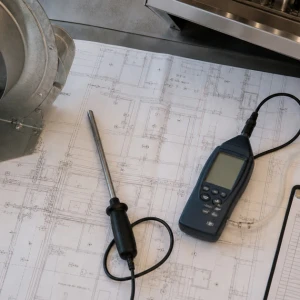
Exhaust and Replacement Air

Process exhaust, general exhaust, make-up air, pressure, doors, supply, outdoors, mechanical operation, field observations, hygiene limits, and specialist scope remain clear.

Production Control Sequence

Shifts, pre-start, recovery, interlocks, air-unit commands, setbacks, freeze protection, enable, alarms, overrides, physical response, and zone readings are verified.

Comfort or Process Boundary

Occupied conditions, machinery, products, fluids, dedicated cooling, chillers, pumps, exchangers, controls, acceptance, interfaces, and specialist ownership are separated.

Representative Production Proof

Cycles, fans, temperatures, airflow, exhaust, make-up air, controls, alarms, lines, shifts, weather, process state, limits, trends, and return tests close service.

Commercial Manufacturing Facility HVAC Services Questions

How does production activity affect manufacturing HVAC diagnosis?

Motors, ovens, compressors, exhaust, material handling, occupancy, doors, and shift changes can alter heat and airflow substantially. Service records the active production state and compares it with equipment output, controls, distribution, and zone conditions. That evidence separates a failed HVAC component from a changed load, ventilation interaction, or process requirement that needs project or specialist ownership.

Does manufacturing HVAC service include process cooling?

This page owns worker-comfort and building HVAC around manufacturing operations. Dedicated cooling for machines, products, fluids, or defined processes may require separate chillers, pumps, heat exchangers, controls, and acceptance criteria. ClimateService documents system interfaces and routes the specialized owner. A comfort HVAC repair is not represented as verification of product or equipment process requirements.

How are plant HVAC shutdowns coordinated?

Planning identifies served zones, production state, redundancy, utilities, exhaust or control interlocks, temporary environmental limits, safety contacts, isolation, restart order, and operating proof. Facility leadership controls production timing and product decisions. ClimateService documents mechanical effects and prerequisites, and does not improvise around unclear isolation, moving equipment, restricted access, or an unauthorized process interruption.

How is manufacturing HVAC work verified?

Verification may include equipment cycles, fans, temperatures, airflow, exhaust and make-up-air response, controls, alarms, shutdown, restart, and representative production and support zones. The line, shift, doors, weather, and process state during testing are recorded. If the defining load is unavailable, trend collection or a coordinated return test is named instead of assuming idle results apply.

Commercial Restaurant HVAC Services

Restaurant HVAC service protects guest comfort, staff working conditions, equipment reliability, and service continuity while accounting for kitchen heat, exhaust, make-up air, and changing occupancy.

Commercial Kitchen HVAC and Ventilation

Commercial kitchen HVAC and ventilation work connects exhaust, make-up air, comfort supply, pressure, cooking heat, controls, and neighboring dining spaces under real operating conditions.

Hospital and Healthcare HVAC Services

Healthcare HVAC work requires disciplined access, communication, cleanliness awareness, continuity planning, measured system evidence, and clear boundaries around sensitive occupied spaces.

Commercial Office Building HVAC Services

Office HVAC service connects equipment operation with schedules, zoning, perimeter and interior loads, tenant complaints, ventilation, controls, and business continuity.

Property Management and Multi-Tenant HVAC Services

Property-management HVAC service combines technical field work with disciplined access, tenant communication, work-order history, responsibility boundaries, and consistent closeout records.

Commercial High-Rise HVAC Services

High-rise HVAC work combines central equipment, vertical water and air paths, dense occupancy, restricted access, tenant coordination, controls, and staged shutdown planning.

Commercial Retail Store HVAC Services

Retail HVAC service protects customer-facing comfort and store continuity while accounting for entrances, solar exposure, occupancy, sales-floor zoning, rooftop access, and landlord interfaces.

Commercial Warehouse HVAC Services

Warehouse HVAC service addresses large air volumes, high ceilings, dock activity, infiltration, stratification, uneven occupancy, equipment schedules, and worker comfort.

School and Campus HVAC Services

School and campus HVAC work coordinates occupied learning spaces, varied building uses, academic calendars, after-hours access, central systems, controls, and phased improvements.

Call us: (312) 940 6970