Heating & Cooling Chicagoland

24/7 Mobile TRU Repair — Emergency Roadside Service | Chicago & Illinois

24/7 mobile emergency repair for transport refrigeration units (TRUs) — Thermo King and Carrier Transicold — on reefer trailers and refrigerated trucks across Chicago, Chicagoland, and key Illinois freight corridors. Focused on rapid on-site stabilization, alarm/SR-code triage, under-load performance verification, and a clear recovery plan when roadside repair isn’t the right move.

carrier daiken goodman lennox trane york luxaire american standard onlinepngtools
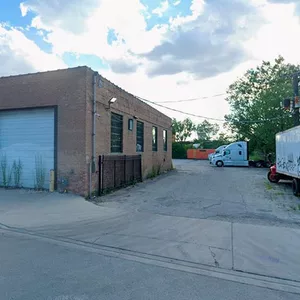
Our Reefer Repair Shop — Facility, Location, and Service Capabilities

Our Reefer Repair Shop — Facility, Location, and Service Capabilities

Chicago-based reefer repair shop for transport refrigeration units (TRUs) on reefer trailers and refrigerated trucks, with in-shop diagnostics, repair, and preventive maintenance for Thermo King and Carrier Transicold. Clear service scope, practical directions, and a route-ready decision path built for fleet operations.

24/7 Mobile TRU Repair — Emergency Roadside Service | Chicago & Illinois

24/7 Mobile TRU Repair — Emergency Roadside Service | Chicago & Illinois

24/7 mobile emergency repair for transport refrigeration units (TRUs) — Thermo King and Carrier Transicold — on reefer trailers and refrigerated trucks across Chicago, Chicagoland, and key Illinois freight corridors. Focused on rapid on-site stabilization, alarm/SR-code triage, under-load performance verification, and a clear recovery plan when…

Mobile reefer repair is built for one outcome: protect the load when a transport refrigeration unit (TRU) fails on the route. We provide 24/7 emergency roadside service for transport refrigeration unit repair—Thermo King and Carrier Transicold units on reefer trailers and refrigerated trucks—across Chicago, Chicagoland, and Illinois freight corridors. Each call is handled as controlled dispatch: stabilize temperature control, restore dependable cooling, and confirm the unit can hold under operating conditions before it returns to route.

Coverage follows how freight moves in the region: Cook County and the Chicago metro area, plus lane support toward Joliet and Rockford and the major interstate network (I-55, I-80, I-90, I-94, I-294, I-355). If you’re searching for mobile reefer repair near me, mobile reefer service near me, or reefer roadside service near me, the problem is rarely a single component—it’s the time window before temperature drift turns into a claim, a rejection, or a forced unload.

When a TRU problem becomes an emergency and what happens on the first visit

A transport refrigeration unit becomes an emergency when temperature is drifting, alarms are active, the unit cycles off unexpectedly, or it runs but will not pull down under load. The first visit is a triage event with a clear objective: stabilize the TRU on-site when possible to avoid unnecessary towing or unloading, then decide whether it is safe to return to route or whether the call must shift to a recovery plan.

  • If box temperature is trending away from setpoint, stabilization comes first; we restore controlled operation before chasing secondary faults.
  • If the unit runs but cooling is weak, we validate performance under load (airflow, heat exchange, operating behavior), not just an idle check.
  • If alarms repeat or shutdowns are intermittent, we isolate the dominant failure domain and confirm the fix holds in real operating mode before clearing the unit.

Mobile repair for Thermo King and Carrier Transicold units

Roadside work is not a shop visit moved to the shoulder. Mobile reefer service is structured to stop escalation: prevent temperature rise, reduce repeat alarms, and stabilize operation long enough to finish the run or reach a controlled service window. Mobile service targets the transport refrigeration unit itself—its controls, electrical supply, refrigeration performance, airflow/defrost behavior, and engine-driven systems where applicable.

Scope boundary: this category covers emergency transport refrigeration unit repair for Thermo King and Carrier Transicold platforms and comparable TRU systems. It does not cover trailer body structural work (doors, floors, walls) or non-mechanical freight services. Keeping scope clear protects dispatch speed for true refrigeration-unit emergencies.

Coverage mechanics across Chicago and Illinois freight lanes

“Mobile” can mean a yard call, a dock call, or a roadside stop—and each one changes the access plan and the first checks. Yard and dock calls may require gate coordination and safe unit access in tight staging areas. Roadside calls prioritize safe positioning first, then fast stabilization. Dispatch is coordinated around Chicago-area freight density and the Illinois highway network so the response plan matches where the unit actually is—not where it was supposed to be.

After-hours freight is where “24 hour” intent shows up in real language. Whether you need 24 hour reefer repair near me coverage on an overnight run, 24 hour reefer service near me support on a weekend shift, or 24 hour reefer trailer repair near me dispatch from a yard staging area, the response plan is built around access conditions, temperature trend, and the fastest path to stabilization.

Roadside alarm and SR-code diagnosis with predictive triage

Many emergency reefer repair calls begin with an alarm screen, a shutdown, or a unit that won’t stay running. SR/alarm codes and control-panel messages are treated as triage signals that help narrow the failure domain quickly—especially when the unit is cycling, derating, or restricting operation to protect itself.

Repeated alarm patterns also matter because they often show up before a full failure. When a unit returns the same SR/alarm behavior under the same operating conditions, that pattern becomes a predictive signal: it helps prioritize what must be stabilized now and what should be scheduled as the next-step repair path instead of waiting for the next breakdown on the lane.

A field workflow designed to reduce downtime

  1. Dispatch intake: location and access notes, setpoint and temperature trend, and the alarm message or repeating behavior.
  2. Triage and routing: confirm load risk (frozen vs chilled) and align the response plan to the yard, dock, or roadside conditions.
  3. On-site stabilization: establish a safe work zone, verify operating mode, and isolate the dominant failure domain.
  4. Repair path: complete the on-site correction when it can be done safely roadside; avoid improvisation that creates a second breakdown.
  5. Return-to-route decision: confirm stable control under operating conditions and provide clear next-step recommendations if deeper work is required.

Common roadside failure scenarios we handle

Unit runs, but the load warms up

This scenario is high-risk because the unit looks active while capacity is collapsing. We prioritize performance-under-load checks and stabilization, including cooling loss patterns driven by airflow restrictions, defrost-related icing behavior, or refrigeration-side performance limits that prevent pull-down.

Repeated alarms, cycling, or unexpected shutdown

Intermittent faults waste hours when treated as random. We focus on repeatable triggers and operating conditions that reproduce the fault. Alarm lockouts and recurring SR/alarm behavior are handled as controllable signals—identify the trigger, correct what is driving the lockout, then verify the unit holds without recurring alarms.

Electrical and control-side instability

Power and control issues can mimic refrigeration failures by forcing derates or shutdown behavior. Roadside triage isolates whether the system is failing mechanically or being limited by a control/power condition that must be corrected for stable operation.

Cooling performance drop linked to refrigerant-side behavior

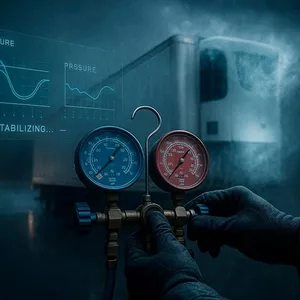
Refrigerant-side issues often show up as capacity loss or unstable operating behavior. Many transport units in the field run on systems associated with refrigerants such as R-404A or R-452A, and performance problems in that domain require controlled decisions—stabilize the load first, then define the correct next step based on operating behavior and risk.

Fuel and engine-driven interruptions under load

When the transport refrigeration unit depends on an engine-driven platform, operating instability can become a route-stopper. The field objective is controlled stabilization first, then a repair path that prevents repeat shutdowns after the trailer leaves the stop.

Load recovery and next-step planning when on-site stabilization is not possible

Some failures cannot be solved safely roadside. When a unit cannot be stabilized to protect cargo temperature, the priority becomes coordinated recovery. That means a clear decision path—what can be done immediately to reduce risk, what requires a controlled environment, and how to align next steps with the route and the closest feasible access point across Chicago and Illinois lanes.

  • If the unit cannot hold temperature, we move from repair attempt to recovery plan without wasting time.
  • If deeper repair is required, we define what needs a shop environment and what can be scheduled in a planned window.
  • If the route must continue, we align the plan to a realistic facility access point, not a theoretical ideal.

Is your issue within our mobile emergency scope?

Mobile emergency service is for transport refrigeration unit breakdowns that threaten temperature control. It is not intended for trailer body damage, structural issues, or non-mechanical freight needs. If you’re unsure, describe the symptom and operating behavior—temperature trend, alarms, and whether the unit stays running. That is enough to route the request correctly and avoid mismatched dispatch.

What to have ready for dispatch

Providing a few details upfront reduces time-to-fix and prevents repeated back-and-forth during an emergency:

  • Exact location and access notes (yard gate, dock, roadside safe stop) plus a live callback contact.
  • Unit make (Thermo King or Carrier Transicold) and the unit identifier if available.
  • Setpoint, current box temperature, and the temperature trend over the last segment of the run.
  • Any alarm screen message or the repeating behavior (cycling, shutdowns, weak pull-down).

Request 24/7 mobile transport refrigeration unit repair dispatch

If your Thermo King or Carrier Transicold refrigeration unit is drifting temperature, showing alarms, or failing to pull down, request emergency reefer repair dispatch with your location, temperature trend, and unit make/model. We support Chicago, Chicagoland, and Illinois freight corridors with mobile service designed for rapid stabilization, verified operation, and a clear next-step plan when deeper repair is required.

When the situation is urgent, request mobile reefer service near me dispatch with the exact location, access notes, and the current temperature trend so the response plan can be routed correctly from the start.
Rapid Dispatch Algorithm

Every service request enters an AI-driven routing engine that weighs traffic, technician certification level, and van inventory before assigning a job. This dynamic pairing shaves an average of 17 minutes off traditional dispatch times, ensuring cooler restoration begins while competing services are still in transit.

Mobile Reefer Repair in Chicago

Serving Chicago and surrounding areas, our mobile reefer repair services ensure your Carrier and Thermo King units are always operational. Contact us for quick and reliable roadside repairs.

Onboard OEM Parts Locker

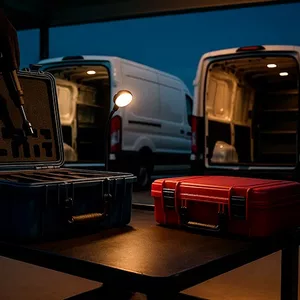
Service vans act as rolling warehouses, stocked with throttling valves, SR-controller boards, compressors up to 8 kW, and three refrigerant blends—R-404A, R-452A, R-134a. Carrying critical components onsite eliminates second visits and maintains OEM warranty integrity after roadside installation.

Cold-Chain Data Compliance Suite

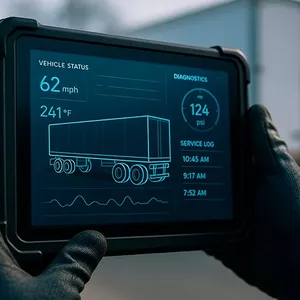
Technicians extract real-time temperature logs and alarm histories directly from SR or AP controllers, then package the data into audit-ready PDFs. These timestamped reports satisfy DOT inspections, FSMA documentation, and retailer score-card reviews without extra administrative labor.

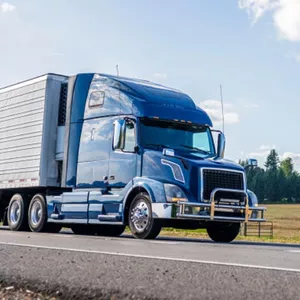
24/7 Mobile TRU Repair for Reefer Trailers and Refrigerated Trucks

On-site transport refrigeration unit (TRU) repair focused on temperature stabilization, fault isolation, and verified return-to-route when safe.

Emergency Reefer Roadside Service Without Defaulting to Towing

Roadside triage designed to stabilize the refrigeration unit on location when feasible, reducing unnecessary towing and load disruption.

Mobile Reefer Repair Near Me Across Chicago and Illinois Freight Lanes

Dispatch coverage aligned to Chicagoland yards, docks, and highway corridors, with an access-first plan for roadside, yard, or dock calls.

Thermo King and Carrier Transicold Mobile Unit Repair

Service for Thermo King and Carrier Transicold refrigeration units, centered on control stability, alarm behavior, and performance under load.

FAQ: 24/7 Mobile TRU Repair for Thermo King and Carrier Transicold

Do you provide 24/7 mobile roadside repair for Thermo King and Carrier Transicold reefer units?

Yes. We provide 24/7 mobile emergency roadside service focused on transport refrigeration unit (TRU) repair for Thermo King and Carrier Transicold systems on reefer trailers and refrigerated trucks. The priority is on-site stabilization, verified operation under load, and a clear return-to-route or recovery plan.

What should I do first if my reefer unit alarms on the road and box temperature starts rising?

Stop the temperature drift from escalating. Share your exact location and access notes, current setpoint, current box temperature and trend (rising/flat/bouncing), plus the alarm/SR code or the repeating behavior (cycling, shutdown, weak pull-down). This allows triage to start before arrival and speeds stabilization.

Can you repair the TRU on-site without towing or unloading the freight?

When the unit can be stabilized safely on-site, we work to restore controlled cooling without defaulting to towing or unloading. If the fault requires controlled conditions or extended validation, we shift to a recovery plan and align next steps to the closest realistic facility access point on the route.

What does “roadside triage” mean for a Thermo King or Carrier reefer unit?

Roadside triage means quickly isolating the dominant failure domain and stabilizing the unit in operating mode. It typically starts from SR/alarm codes and control behavior, then moves through power/control stability, airflow/defrost behavior, and refrigeration performance under load to prevent repeat shutdowns after release.

What are SR/alarm codes, and why do they matter during a roadside breakdown?

SR/alarm codes and control-panel messages are signals that narrow the failure domain, especially when the unit is cycling, derating, or restricting operation. Repeating SR/alarm patterns often indicate the same trigger will cause another shutdown unless it is corrected and verified under load.

Why can a reefer unit keep running but still fail to pull down to setpoint?

This usually indicates capacity loss under load—airflow restrictions, defrost/icing behavior, heat-exchange limitations, or refrigeration-side performance issues. The decision to release is based on temperature trend and stability under operating conditions, not on a short idle check.

What information should I have ready when requesting mobile TRU repair dispatch?

Provide: exact location (exit/mile marker/facility address) and access notes (yard gate, dock, safe roadside stop), unit make (Thermo King or Carrier Transicold) and unit ID if available, setpoint, current box temperature and trend, and the alarm/SR code or repeating behavior. This is the minimum dataset to route the call correctly.

Do you handle electrical/control-side faults that cause cycling or shutdowns?

Yes. Electrical and control-side instability can force derates or shutdowns that look like a cooling failure. Roadside triage separates control/power limitation from mechanical capacity loss so stabilization is based on the true failure domain.

Do you handle refrigerant-side issues, and which refrigerants are commonly involved on transport units?

Refrigerant-side issues can present as capacity loss or unstable operation. Many transport units in the field are associated with refrigerants such as R-404A or R-452A. Roadside decisions in this domain prioritize load stabilization first, then a controlled next step based on operating behavior and risk.

What’s the difference between a yard call, dock call, and roadside stop for reefer unit repair?

Access and safety conditions change the workflow. Yard and dock calls may require gate coordination and safe unit access in staging areas. Roadside stops prioritize safe positioning first, then fast stabilization. Clear access notes at dispatch reduce delays in all three scenarios.

What happens if the unit cannot be stabilized on the shoulder?

The call shifts from repair attempt to recovery plan: identify what can reduce risk immediately, define what requires a shop environment, and align next steps with the closest realistic facility access point on the route. The goal is to protect the load and avoid repeated breakdowns.

Mobile Reefer Repair Near Me for On‑Site Trailer Emergencies

Mobile Reefer Repair Near Me for On‑Site Trailer Emergencies

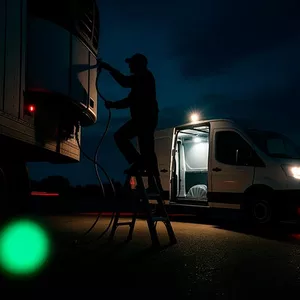
Fast response matters when refrigeration fails mid-route. Our mobile service units arrive fully equipped to restore cooling on site—no towing, no unloading. Technicians handle alarms, component failures, and refrigerant issues directly at the breakdown location, minimizing cargo risk and delivery delays.

Emergency Reefer Repair Without Towing on Interstates and Docks

Emergency Reefer Repair Without Towing on Interstates and Docks

Unexpected refrigeration failures demand immediate action. Discover how on-site emergency service keeps your fleet moving, protects your load, and eliminates costly delays—without rerouting or waiting for a shop. Fast response where and when it matters most.

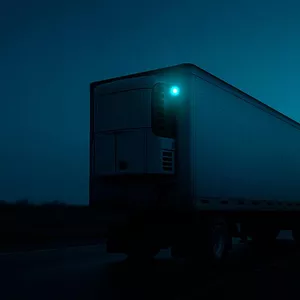
24 Hour Mobile Reefer Service for Night and Weekend Failures

24 Hour Mobile Reefer Service for Night and Weekend Failures

No matter the hour, equipment failure can’t wait. Discover how round-the-clock service restores critical systems overnight and on weekends—without delay, without towing, and without risking delivery loss. Fast response that keeps your operation moving.

Mobile Carrier and Thermo King Reefer Repair by Certified Teams

Mobile Carrier and Thermo King Reefer Repair by Certified Teams

Specialized mobile support ensures critical systems stay operational when every degree and minute count. From diagnostics to full resolution, field technicians deliver fast, accurate service designed to keep freight moving and losses off your ledger.

Roadside SR Code Repair Without Hauling to Shop

Roadside SR Code Repair Without Hauling to Shop

Unexpected equipment failures on the road demand fast, accurate action. Our mobile repair teams respond without delay, restoring full system function at your location. Get expert service that minimizes downtime, protects cargo, and keeps your operation moving — without unnecessary detours or disruption.

Reefer Refrigerant Leak Stop and Recharge On the Road

Reefer Refrigerant Leak Stop and Recharge On the Road

Loss of cooling power on the road threatens delivery schedules and cargo integrity. This service provides fast-response mobile recovery to restore system function, prevent product spoilage, and keep your fleet moving without delays or off-route stops.

Call us: (312) 680 4033