Heating & Cooling Chicagoland

Preventive Reefer Maintenance Programs for Fleets in Chicago and Illinois

Fleet-focused preventive reefer maintenance for transport refrigeration units (TRUs) on reefer trailers and refrigerated trucks across Chicago and Illinois. Built around dispatch windows with clear deliverables, a structured workflow, and routing into schedules, checklists, contracts, documentation, compliance support, mobile PM, and fleet manager strategy.

carrier daiken goodman lennox trane york luxaire american standard onlinepngtools
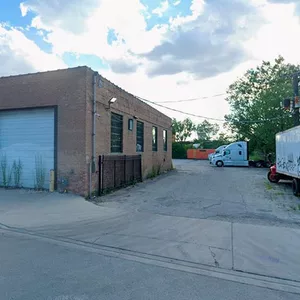
Our Reefer Repair Shop — Facility, Location, and Service Capabilities

Our Reefer Repair Shop — Facility, Location, and Service Capabilities

Chicago-based reefer repair shop for transport refrigeration units (TRUs) on reefer trailers and refrigerated trucks, with in-shop diagnostics, repair, and preventive maintenance for Thermo King and Carrier Transicold. Clear service scope, practical directions, and a route-ready decision path built for fleet operations.

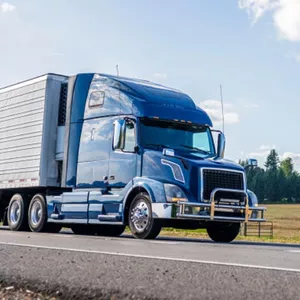
24/7 Mobile TRU Repair — Emergency Roadside Service | Chicago & Illinois

24/7 Mobile TRU Repair — Emergency Roadside Service | Chicago & Illinois

24/7 mobile emergency repair for transport refrigeration units (TRUs) — Thermo King and Carrier Transicold — on reefer trailers and refrigerated trucks across Chicago, Chicagoland, and key Illinois freight corridors. Focused on rapid on-site stabilization, alarm/SR-code triage, under-load performance verification, and a clear recovery plan when…

Preventive reefer maintenance is a service program for fleets that need stable temperature control and fewer roadside events. We deliver reefer maintenance services for transport refrigeration units (TRUs) on reefer trailers and refrigerated trucks, with documented outcomes and a plan that fits real dispatch windows. This hub covers preventive reefer trailer maintenance and refrigerated trailer services across Chicago, Chicagoland, and Illinois freight corridors.

This is refrigeration-unit maintenance, not trailer body work. Doors, floors, wall panels, and structural box repairs are outside scope. The service targets TRU stability domains that drive downtime: controls and alarm behavior, electrical integrity, airflow and defrost behavior, refrigeration-side capacity, and engine-driven operation where applicable.

What preventive maintenance is designed to prevent

Most failures start as drift: weak pull-down, repeating alarms, unstable cycling, or shutdown behavior that shows up only under load. Preventive maintenance converts those patterns into scheduled corrections before they become route-stoppers.

  • Temperature drift under load: instability that makes setpoint control unreliable on real runs.
  • Repeat alarms and nuisance lockouts: recurring fault patterns that predict a repeat event.
  • Airflow and defrost instability: icing behavior and circulation loss that create temperature swings.
  • Electrical/control instability: intermittent faults that trigger cycling, derates, or shutdowns.

Program deliverables fleets can act on

A PM visit only matters if it produces decision-ready outputs for operations and maintenance. Deliverables are structured so dispatch can decide what is route-ready now and what must be scheduled.

  • Condition summary: what was checked and what it means for route stability.
  • Risk list: issues prioritized by downtime likelihood and temperature impact.
  • Corrective actions: what to address now vs what to schedule in a controlled window.
  • Documentation package: consistent records for internal accountability and audits.

How a preventive reefer maintenance program is executed

  1. Intake: unit mix, operating pattern (yard/dock access), and the failure patterns you want to eliminate.
  2. PM visit: structured checks across control behavior, electrical stability, airflow/defrost, and refrigeration performance.
  3. Stability decision: confirm route-ready operation or flag the unit for scheduled corrective work.
  4. Work plan: convert findings into a prioritized action list and a schedule aligned to dispatch windows.
  5. Tracking: record repeat patterns so the next service window is planned, not triggered by a breakdown.

If alarms repeat under the same conditions, treat it as a predictive signal and schedule corrective work before the next run. If the unit runs but won’t pull down under load, prioritize capacity/airflow/defrost performance checks over cosmetic adjustments. If cycling or shutdowns appear intermittently, isolate control/power limitations before assuming a refrigeration-side failure.

Service boundaries: what is included and what is not

Included: preventive service for the transport refrigeration unit (TRU) and operating domains that affect temperature stability—controls and alarm behavior, electrical integrity, airflow/defrost behavior, and refrigeration-side performance.

Not included: trailer body structural work (doors, floors, walls), non-mechanical freight services, and unrelated trailer repairs. Clear boundaries keep the program focused on downtime prevention and load protection.

What each maintenance topic covers

This hub is designed to route fleets into the right preventive sub-topic. Use the sections below to match your operational need to the correct PM path.

  • 5.1 Maintenance Schedule: how to set a cadence that matches utilization, lane profile, and access conditions.
  • 5.2 PM Checklist: what a fleet-grade checklist covers across controls, electrical, airflow/defrost, and performance.
  • 5.3 Maintenance Contracts: how service agreements support predictable PM execution and planned corrective work.
  • 5.4 Components and Preventive Routines: preventive routines by failure domain and operational risk.
  • 5.5 Downtime and Cost Drivers: how repeat alarms and performance drift translate into operational loss and scheduling pressure.
  • 5.6 Logs and Audit Documentation: what to record so results are comparable across assets and usable for audits.
  • 5.7 Cold Chain Compliance Support: how PM discipline reduces excursions and improves decision quality on sensitive loads.
  • 5.8 Technology Tracking and PM Management: how repeat patterns and trend tracking improve planning and reduce surprises.
  • 5.9 Mobile Preventive Maintenance: yard-based PM for fleets that need minimal disruption to rotation.
  • 5.10 PM Strategy for Fleet Managers: decision rules for route readiness, prioritization, and planning windows.

How to start preventive reefer maintenance services

Start with operational inputs: unit mix, access conditions (yard/dock windows), lane profile, and the failure patterns you want to eliminate (repeat alarms, weak pull-down, cycling, shutdowns, temperature drift). That information is enough to build a preventive reefer maintenance program that is measurable, documentable, and aligned to dispatch reality across Chicago and Illinois freight operations.

Fleet Preventive Reefer Maintenance Services for TRUs

Planned service visits for transport refrigeration units to reduce drift, repeat alarms, and route risk, with clear outcomes and a practical next-step work plan.

Reefer Trailer Maintenance Programs Aligned to Dispatch Windows

Preventive maintenance scheduled around yard/dock access so units stay in rotation while maintenance decisions remain controlled and documented.

TRU Stability Checks for Temperature Control and Under-Load Behavior

Maintenance focused on stability domains that drive downtime: control behavior, electrical integrity, airflow/defrost performance, and refrigeration capacity under load.

Thermo King and Carrier Transicold Preventive Maintenance Coverage

Fleet PM structured for Thermo King and Carrier Transicold units with consistent findings format across mixed fleets and comparable decision outputs.

Preventive Reefer Maintenance Deliverables Fleet Teams Can Use

Condition summary, prioritized risk list, recommended corrective actions (now vs scheduled), and audit-ready documentation suitable for operations planning.

Service Boundaries for Preventive TRU Maintenance

Clear scope: refrigeration-unit maintenance and operating stability domains; excludes trailer body structural work like doors, floors, walls to keep PM focused.

Maintenance Schedule Planning for High-Utilization Lanes

Cadence design based on utilization patterns, route profile, and access constraints to prevent PM gaps from turning into unplanned roadside events.

PM Checklist Structure Built Around Failure Domains

Checklist organized by domains that cause real downtime—controls/alarms, electrical, airflow/defrost, refrigeration performance—so results are actionable, not cosmetic.

FAQ: Preventive Reefer Maintenance Programs for Fleet TRUs

What exactly is covered in preventive reefer maintenance for a transport refrigeration unit (TRU)?

Preventive reefer maintenance focuses on the refrigeration unit and the systems that affect temperature stability: controls and alarm behavior, electrical integrity, airflow and defrost performance, refrigeration-side capacity under load, and engine-driven operation where applicable. It does not include trailer body structural work such as doors, floors, or walls.

How do I decide a preventive maintenance schedule for reefer trailer TRUs operating Chicago and Illinois lanes?

Schedule is driven by utilization and risk, not a generic interval. Use your lane profile (overnight runs, long dwell times, frequent door openings), access conditions (yard/dock windows), and recent failure patterns (repeat alarms, weak pull-down, cycling/shutdowns) to set a cadence that fits dispatch windows.

What deliverables should a fleet expect after a preventive TRU maintenance visit?

A usable PM visit produces decision-ready outputs: a condition summary, a prioritized risk list tied to downtime likelihood, recommended corrective actions (now vs scheduled), and a documentation package that is consistent across units for operations and audit needs.

How does preventive maintenance reduce emergency reefer repair calls without promising “guaranteed uptime”?

It reduces roadside events by converting early signals into scheduled corrections. If repeat alarm patterns appear under the same conditions, that pattern is treated as predictive and addressed before the next run. If performance drifts under load, capacity and airflow/defrost domains are checked and stabilized before the issue escalates.

What’s the difference between a PM checklist and a preventive maintenance program for reefer units?

A checklist is the inspection structure. A program adds execution discipline: intake, documentation standards, decision rules for route readiness, prioritized work planning, and tracking of repeat patterns so maintenance becomes planned rather than triggered by breakdowns.

What are the most common “early warning” patterns fleets should flag for planned corrective work?

Key patterns include repeating alarms under the same operating conditions, weak pull-down or longer recovery to setpoint under load, unstable cycling/derates, and intermittent shutdown behavior. These are indicators that a unit may fail on-route if not corrected during a scheduled window.

How do you handle preventive maintenance for mixed fleets with Thermo King and Carrier Transicold units?

The program standardizes outcomes across platforms: stability under load, alarm-pattern review, electrical/control integrity, airflow/defrost behavior, and performance verification. Findings and priorities are reported in a consistent format so operations can compare units regardless of brand.

What should we provide at intake to start a preventive reefer maintenance program for our fleet?

Provide your unit mix, operating pattern (yard/dock access), lane profile, and the failure patterns you want to eliminate (repeat alarms, weak pull-down, cycling, shutdowns, temperature drift). This is enough to build an actionable schedule and a measurable deliverables package.

Does preventive reefer maintenance include documentation for logs and audit readiness?

Yes—documentation is a core deliverable of a fleet program. The key is consistency: what was checked, what was found, what actions are recommended, and what items are scheduled next. That structure supports internal accountability and audit workflows without relying on vague notes.

When should a fleet use mobile preventive maintenance versus depot/shop-based PM?

Mobile PM is best when the fleet needs minimal disruption and units are accessible at yards or docks during predictable windows. Depot/shop-based PM is appropriate when the work requires controlled conditions or extended validation. The goal is to match the service format to access and risk, not to force every task into one mode.

Call us: (312) 680 4033