

Commercial RTU maintenance protects heating, cooling, airflow, outdoor air, drainage, controls, and the weather-exposed cabinet that connects them to occupied zones. A generic filter-and-belt visit misses curb leakage, economizer movement, condenser conditions, roof access, and seasonal modes. ClimateService builds authorized Chicago maintenance around actual equipment, exposure, operating hours, building consequence, and documented changes over time.
Build a rooftop asset and zone map
Record unit identity, roof position, curb, supply and return arrangement, served zones, configuration, cooling and heat, fan and drive, filters, economizer, controls, schedule, criticality, access, and available documents. Consistent labels and zone relationships prevent service on the wrong cabinet and support meaningful complaint history.
Set cadence from exposure and load
Operating hours, filters, dust, grease, cottonwood, construction, birds, snow, ice, salt, wind, heat, roof conditions, occupancy, process load, and failure history influence timing. Seasonal visits may anchor the program, while filter, coil, drain, or observation intervals should respond to actual loading and approved requirements.
Maintain safe and reliable roof access
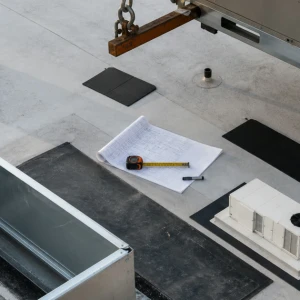
Keys, hatches, ladders, walk paths, fall hazards, lighting, winter access, standing water, roof protection, public areas, weather limits, tool handling, and escort requirements should be ready before service. Qualified safety and roofing parties own their determinations. HVAC records should route observed access or roof concerns rather than ignore them.
Protect cabinet, curb, and weather boundary
Panels, screws, hinges, seals, insulation, partitions, corrosion, rain paths, snow entry, base rails, curb, gasket, flashing observations, penetrations, drains, and condenser-air recirculation affect reliability. Loose panels and failed seals can waste airflow, admit water, and expose electrical or insulation systems.
Maintain filters, blower, and distribution
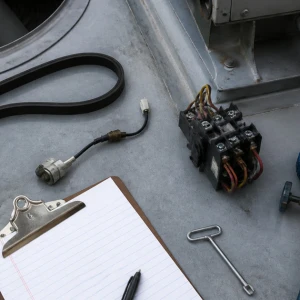
Filter type, fit, loading, racks, bypass, return, blower wheel, motor, bearings, belts, sheaves, drive, dampers, external static indicators, supply ducts, terminals, and return paths should receive condition-based care. Zone observations help distinguish cabinet airflow change from distribution problems below the roof.
Keep coils and condenser airflow usable
Evaporator and condenser coils, fins, guards, condenser fans, surrounding clearance, grease, debris, corrosion, and recirculation influence capacity. Cleaning method, pressure, chemistry, runoff, electrical protection, fin condition, and coatings must be compatible. Aggressive rooftop washing can damage equipment or roofing and contaminate areas below.
Review refrigeration without unnecessary access
Compressors, circuits, piping, insulation, oil evidence, contactors, safeties, temperatures, current, staging, sound, and operating response can reveal degradation. Refrigerant access should follow evidence and authorization. Charging is not routine maintenance, and air, coil, fan, economizer, or control conditions should be addressed first.
Maintain heating and freeze readiness
Gas, electric, heat-pump, or hydronic arrangements need distinct tasks. Heat exchangers, ignition, burners, venting, heaters, contactors, reversing valves, defrost, valves, airflow, limits, safeties, low-temperature controls, drains, and cabinet weather protection may apply. Seasonal testing should record modes that weather prevents.
Exercise economizer and ventilation
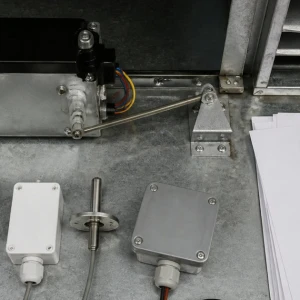
Hood, screens, filters, blades, linkage, actuator, minimum position, outdoor, return and mixed-air sensors, relief, schedules, commands, interlocks, and physical movement should be tested. A clean RTU can still waste energy or lose ventilation through failed economizer operation. Building-wide BAS work remains separate.
Inspect electrical and controls condition
Disconnect, fuses, contactors, terminals, transformers, grounding, motors, drives, capacitors where applicable, sensors, thermostats, controller, safeties, alarms, setpoints, schedules, and overrides may be reviewed within scope. Heat, moisture, corrosion, looseness, and repeated trips should route into repair, not receive silent resets.
Trend condition into owned decisions
Filter loading, belt wear, vibration, current, temperatures, coil fouling, drain events, compressor behavior, heating condition, economizer movement, corrosion, cabinet leakage, and alarms gain value across visits. Trends should route cleaning, repair, controls, ducts, roofing coordination, replacement, or capital planning with evidence, priority, and responsible owner.
Keep consumables and rooftop logistics ready
Filter sizes and quantities, belt sections, lubricants, fuses, drain accessories, roof keys, escorts, lift needs, safe weather limits, panel hardware, and critical spare strategy should match actual units. Consolidated stock helps multi-unit sites, but unsuitable substitutions can change airflow or reliability. Reorder points should reflect criticality, lead time, storage, and the building's ability to carry an outage.
Use pre-season service as a planned load test
A brief mild-weather start does not prove full cooling, heating, defrost, economizer, or drainage behavior. The program should identify the first suitable weather window, representative spaces, readings, alarm monitoring, responsible reviewer, and response thresholds. This second observation completes the seasonal maintenance loop and catches problems that no static checklist can reveal.
ClimateService provides rooftop maintenance continuity
ClimateService records tasks, readings, active modes, roof and cabinet observations, photographs, corrected minor items, unavailable tests, recommendations, responsible trade, and next timing within its scope. Facility teams receive unit and zone history rather than a checked box, while maintenance remains risk reduction instead of a promise that weather, utilities, loads, or components cannot fail.