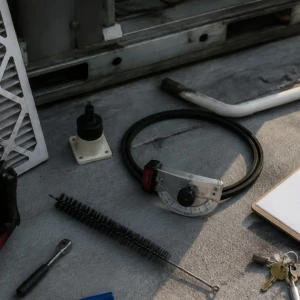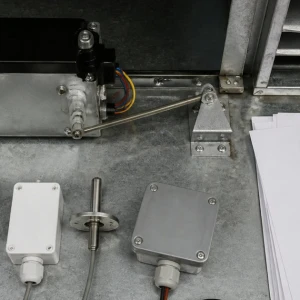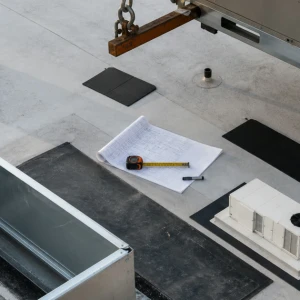


Commercial RTU repair addresses a weather-exposed packaged system and the building interfaces below it. Cooling, heating, airflow, economizer operation, drainage, electrical protection, controls, curb, ducts, and roof conditions can create the same comfort complaint. ClimateService diagnoses authorized Chicago rooftop units from the failure pattern, protects access and roofing boundaries, and verifies corrective work under available operating conditions.
Identify the exact RTU and served zones
Confirm equipment identity, roof location, curb and duct arrangement, served spaces, schedule, occupancy, setpoints, complaint timing, weather, load, alarms, and recent work. Multi-unit roofs make identity critical. Opening the nearest cabinet without matching it to the affected zone wastes time and can disturb a sound system.
Capture the fault before a reset
Commands, fan and stages, temperatures, pressures where authorized, current, safeties, economizer position, drainage, alarms, and BAS history should be observed while the issue exists when safe. Power cycling can erase lockout evidence. Intermittent weather or schedule events need a defined monitoring window.
Establish safe rooftop conditions
Roof access, keys, ladders, hatches, fall hazards, surface condition, ice, wind, heat, lightning, standing water, adjacent exhausts, public areas below, tools, panels, and lifting must follow responsible procedures. Equipment repair does not authorize roofing or structural conclusions, but observed hazards and damage should be documented.
Inspect cabinet and curb interfaces
Panels, fasteners, hinges, seals, insulation, partitions, corrosion, rain or snow paths, base rails, curb, gasket, flashing, penetrations, duct openings, drains, and recirculating condenser air affect operation. Water entry or supply-return leakage can repeat faults after internal components are replaced.
Verify airflow and blower operation
Filters, racks, return, supply, blower wheel, motor, bearings, belts, sheaves, drive, coil, dampers, external static indicators, and zone distribution should be reviewed. Restricted air can produce icing, high heat, limit trips, poor capacity, noise, and short cycling. Roof work should connect readings to the spaces below.
Evaluate refrigeration and condenser sections
Compressors, circuits, metering, piping, insulation, oil evidence, evaporator, condenser coils, condenser fans, contactors, temperatures, pressures, current, staging, and safeties require cause-based testing. Dirty coils, recirculation, failed fans, low airflow, and controls can resemble refrigerant faults. Refrigerant handling remains authorized work.
Test heating for the installed configuration
Gas, electric, heat-pump, hydronic, or other RTU heating sections need distinct procedures. Heat exchangers, ignition, burners, venting, heaters, contactors, reversing valves, defrost, valves, airflow, limits, safeties, and controls may be involved. Qualified work and seasonal test limitations should remain explicit.
Check economizer and outdoor-air behavior
Hood, screen, blades, linkage, actuator, minimum position, outdoor, return and mixed-air sensors, relief, schedules, commands, and physical movement influence ventilation and capacity. A failed economizer can dominate cooling or heating complaints. Unit-level repair should not become an undocumented building-wide BAS change.
Trace electrical and control interruptions
Disconnect, fuses, breakers, contactors, terminals, transformers, motors, drives, control voltage, grounding, safeties, sensors, thermostats, BAS commands, overrides, alarms, and interlocks can stop or distort operation. A trip may be a correct response to another condition. Resetting it without evidence invites recurrence.
Plan parts and access without exposing the building
Component weight, panel openings, roof route, crane or hoist, weather window, roof protection, tenant consequence, parts lead time, temporary conditioning, shutdown, and trade coordination determine execution. Open cabinet and duct sections should remain protected. Temporary operation needs monitored limits and an expiration.
Test through the original mode and zone response
Verification may include command, fan, airflow, current, cooling or heating stages, temperatures, pressures, safeties, drainage, economizer, controls, alarms, cycling, and representative spaces. Full load or seasonal weather may be unavailable. Deferred tests should identify conditions, readings, responsible owner, and response threshold.
Separate emergency stabilization from final correction
A temporary fan, belt adjustment, isolated stage, protected drain, control limit, or portable conditioning measure may restore part of the building while correct parts or weather are pending. The temporary condition should name capacity, affected modes, occupants, monitoring, expiration, failure response, and permanent scope. It must not silently become the finished repair or conceal a safety condition.
Use recurrence to evaluate the larger asset
Repeated compressor trips, motor failures, belt loss, cabinet leakage, economizer faults, corrosion, control obsolescence, or curb problems may indicate a larger repair or replacement boundary. Compare cause, prior work, connected damage, parts support, access, downtime, and owner horizon. This avoids both endless component swapping and premature replacement of a serviceable RTU.
ClimateService delivers a rooftop repair baseline
ClimateService documents unit and zone identity, complaint, roof conditions, operating evidence, confirmed cause, repaired components, settings, photographs, tested modes, unavailable conditions, curb or distribution findings, and next maintenance within its scope. Facility teams receive a record that prevents rediscovery without unsupported claims about roof integrity, energy, capacity, or remaining life.