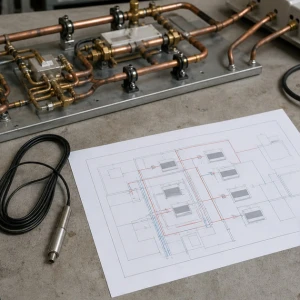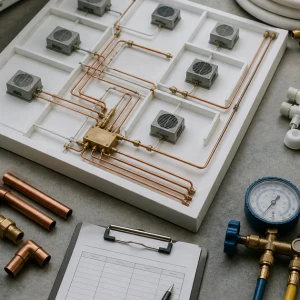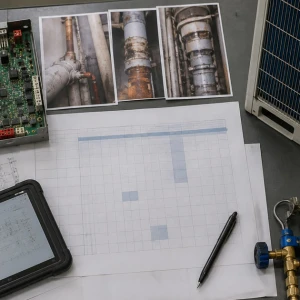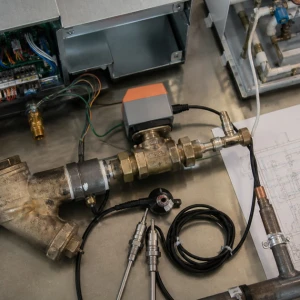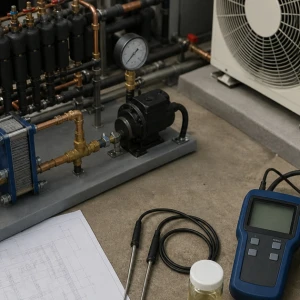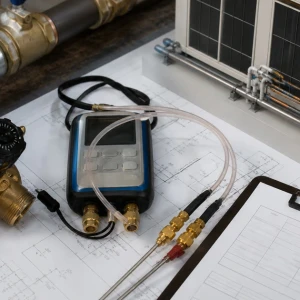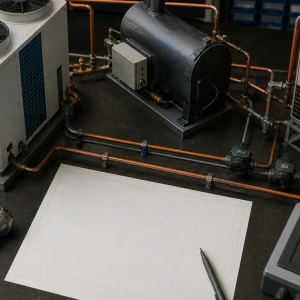


Commercial VRF and VRV maintenance protects a connected system rather than a collection of unrelated indoor units. Outdoor modules, refrigerant circuits, branch or heat-recovery devices, indoor units, drainage, power, communication, controllers, and occupied zones must remain mapped. ClimateService builds authorized Chicago maintenance around system architecture, operating hours, environment, access, facility consequence, and trends that route developing conditions before failures spread.
Create a complete system and zone register
Record outdoor modules, indoor-unit types and addresses, branch devices, piping relationships, controllers, gateways, served spaces, schedules, modes, criticality, roof or yard access, ceiling access, filters, drains, and available manuals. Accurate relationships prevent missing hidden units and help determine whether a trend is local, branch-level, or system-wide.
Set service cadence from use and environment
Operating hours, occupancy, filter loading, dust, grease, construction, ceiling conditions, drain history, humidity, outdoor debris, snow, salt, heat, simultaneous demand, and failure history influence intervals. Calendar anchors remain useful, but indoor filters, drains, coils, and high-consequence spaces may require different attention than outdoor modules.
Maintain indoor air paths
Filters, racks, grilles, return clearance, coil, fan wheel, motor, louvers, sensors, casing, insulation, vibration, and accessible duct or plenum interfaces should receive type-specific inspection. Cassette, ducted, wall, floor, and air-handler arrangements do not share identical tasks. Occupied finishes and furniture require protection.
Protect condensate and ceiling conditions
Drain pans, pumps, floats, traps, lines, slope, insulation, cleanouts, supports, sweating, coil icing evidence, ceiling stains, and leak detection affect water risk. Cleaning should verify actual drainage and restoration. Repeated blockage or moisture should route into repair, insulation, piping, or building scope rather than receive a routine note.
Inspect outdoor modules and heat transfer
Coils, fins, fans, motors, guards, airflow clearance, debris, corrosion, snow, ice, supports, panels, drives, compressors, piping, insulation, oil evidence, vibration, sound, electrical condition, and drainage may be reviewed. Cleaning method and runoff must protect equipment, roof or site, electrical systems, and coatings.
Review refrigerant distribution without routine disturbance
Accessible piping, insulation, supports, joints, branch fittings, selector boxes, valves, temperature patterns, oil evidence, and previous modifications can reveal change. Refrigerant access should follow evidence and authorization, not occur automatically. System charge, leaks, evacuation, and oil return require manufacturer-specific procedures and a complete network view.
Exercise branch and heat-recovery operation
Selector boxes, branch controllers, valves, sensors, communication, heating and cooling requests, changeover, simultaneous modes, defrost, and capacity allocation should be observed through available conditions. A maintenance visit that tests only one zone can miss interaction faults that appear when several branches request different modes.
Check communication and controller integrity
Network wiring, addresses, connectors, controller power, gateways, central and local controllers, schedules, locks, setpoints, alarms, history, time, overrides, and device visibility may be reviewed. Unauthorized network or programming changes should be avoided. Backups and vendor procedures matter when controllers or boards are changed.
Inspect electrical and protective conditions
Disconnects, breakers, fuses, terminals, grounding, voltage, applicable phase conditions, boards, inverter drives, motors, heaters, control power, and safeties can show heat, moisture, corrosion, looseness, or repeated protection. Findings should route into qualified repair; maintenance should not normalize recurring resets.
Use seasonal transitions as multi-zone tests
Cooling, heating, heat recovery, defrost, low-temperature operation, condensate, zone changeover, central scheduling, alarms, and representative spaces should be exercised when conditions permit. Mild weather may prevent full proof. The program should identify a later load window, readings, zones, responsible reviewer, and response limits.
Trend local and shared-system conditions
Filter loading, drain events, fan condition, air temperatures, outdoor-module current, coil fouling, compressor behavior, branch response, communication faults, alarms, vibration, corrosion, and zone complaints gain meaning across visits. Trends should route cleaning, repair, controls, refrigerant work, replacement, or building coordination with priority.
Standardize consumables without flattening the system
Filter sizes and quantities, drain-pump accessories, approved cleaning tools, fuses, controller batteries where applicable, and other routine materials should be tied to actual devices. Consolidated stock can reduce delays, but unsuitable filters or generic parts can change airflow or reliability. Reorder points should reflect zone criticality, access, lead time, storage, and shared-system consequence.
Keep access and occupant coordination current
Keys, escorts, roof access, ceiling-panel locations, lift needs, furniture protection, tenant contacts, work-hour limits, controller permissions, equipment shutdown contacts, and restoration expectations belong in the program. These details determine whether approved service can begin promptly. They also prevent an inaccessible indoor unit or unknown branch box from remaining outside the maintenance record.
Route lifecycle findings before a system crisis
Repeated leaks, discontinued controllers, outdoor-module wear, branch faults, communication obsolescence, drain history, indoor-unit deterioration, or insufficient capacity should be compared across visits. The record should identify evidence, service effect, urgency, affected zones, parts or access risk, and the owner for repair, replacement, or upgrade planning.
ClimateService delivers maintainable VRF continuity
ClimateService records assets, tasks, active modes, accessible conditions, readings, photographs, corrected minor items, unavailable tests, shared-system context, recommendations, responsible trade, and next timing within its scope. Facility teams receive multi-zone history rather than scattered filter visits, while maintenance remains risk reduction instead of a guarantee that components, utilities, controls, or loads cannot fail.